
So, you've got some nice wood, maybe furniture or floors, and you want it to last. It's a bummer when wood gets scratched up or looks dull after just a little while. That's where a good polymer coating for wood comes in. It's like a protective shield that keeps your wood looking good for ages. We're going to talk about why this stuff is so great and what you need to know.
Key Takeaways
- Polymer coating for wood acts as a tough shield, protecting against everyday wear and tear like scratches and moisture.
- Modern water-based polymer finishes are a good choice because they're better for the environment and easier to clean up.
- Getting the best results means prepping the wood surface right before you apply the coating.
- There are different types of polymer coatings, so picking the one that fits your project, like how much traffic it will see, is important.
- Proper care and maintenance after applying the polymer coating will help it last much longer.
Understanding Polymer Coating For Wood
The Science Behind Polymer Protection
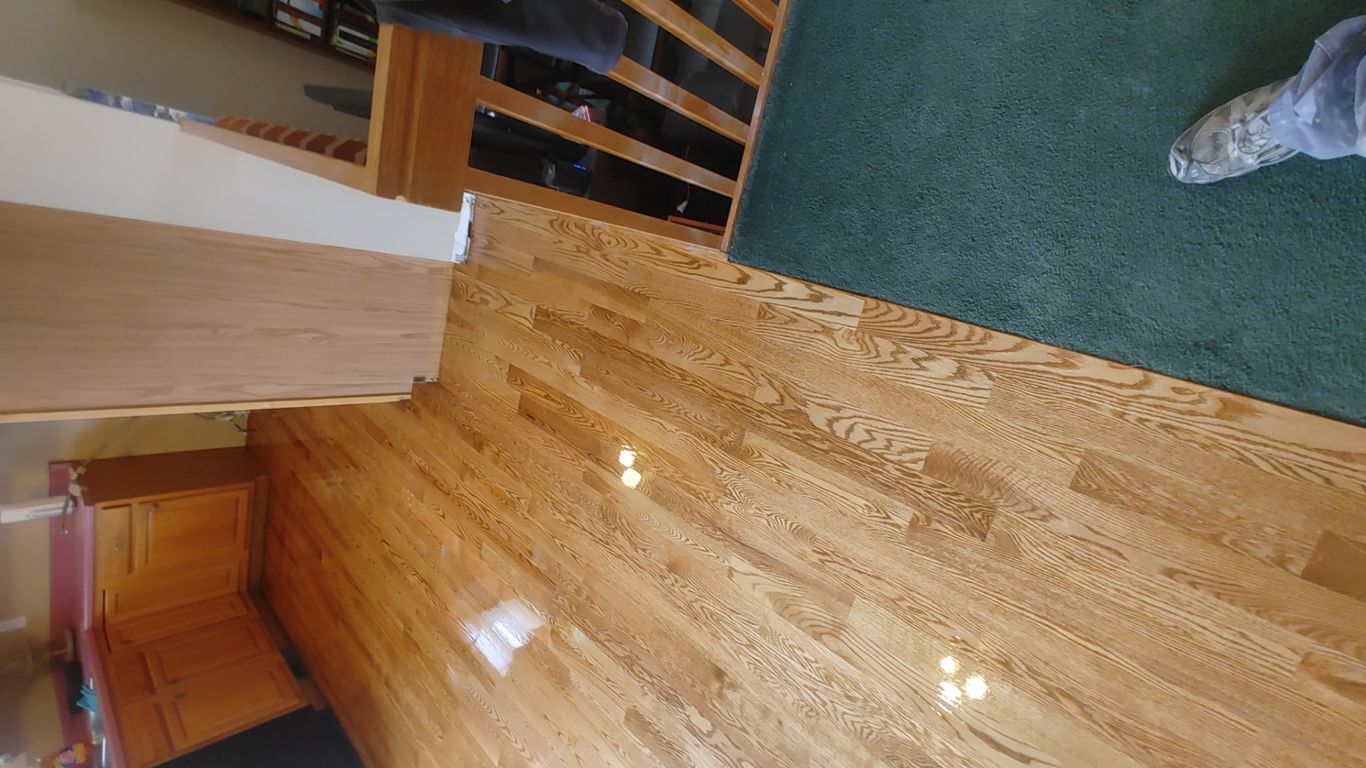
Polymer coatings for wood are essentially a shield, a tough layer that bonds to the wood's surface to keep it safe from everyday wear and tear. Think of it like giving your wooden furniture or floors a second skin. These coatings are made from synthetic materials, polymers, that form a continuous film when they dry. This film is designed to be much harder and more resistant than the wood itself. It's this protective barrier that stops scratches, dents, and damage from moisture or chemicals from reaching the actual wood underneath. The science is pretty straightforward: create a durable, flexible, and protective layer that can take a beating so your wood doesn't have to.
Benefits of Polymer Coatings for Wood
Using polymer coatings on wood brings a whole host of advantages. For starters, they make wood way more durable. This means floors can handle more foot traffic, and furniture can withstand more use without showing wear. They also offer great protection against spills and moisture, which is a big deal for things like kitchen tables or bathroom vanities. Plus, many polymer finishes keep their look over time, resisting fading or yellowing, so your wood stays looking good for longer. It's about making wood more practical and long-lasting for all sorts of uses.
Key Components of Polymer Finishes
Most polymer finishes are made up of a few main parts. You've got your resin, which is the core polymer that forms the film. Then there are solvents or water, which help the resin spread out evenly and then evaporate as it dries. Additives are also important; these are small amounts of other chemicals that give the finish special properties, like making it dry faster, resist UV light, or feel smoother. Sometimes, you'll find hardeners or catalysts, especially in two-component systems, which help the polymer cure into a really tough finish. Understanding these components helps you pick the right product for the job.
Achieving Superior Durability with Polymer Finishes
Abrasion Resistance in High-Traffic Areas
Look, we all know floors take a beating, especially in places where people are always walking around. That's where a good polymer coating really shines. We're talking about finishes that are built tough, like the two-component (2K) water-based options you can find. These aren't your grandpa's floor finishes; they're engineered to stand up to serious wear and tear. Think about homes with active kids, pets running around, or even busy commercial spots. A quality 2K finish creates a surface that’s seriously hard to scratch or scuff. It’s the kind of protection that means fewer headaches down the road and floors that look good for a lot longer. For us pros, that means happier clients and fewer callbacks. It’s a smart investment for any job where durability is key.
Chemical and Moisture Protection
Wood floors can take a hit from spills, cleaning products, and just general moisture in the air. A solid polymer coating acts like a shield. It stops liquids from soaking into the wood, which can cause all sorts of problems like staining or warping. We're talking about protection against common household chemicals, too. You know, the stuff you use for cleaning or maybe even accidental spills from drinks. This barrier keeps the wood underneath looking good and prevents damage that’s tough to fix later. It’s a big deal for keeping floors looking fresh, especially in kitchens or entryways where spills are more likely.
Long-Term Clarity and Non-Yellowing Properties
One of the biggest headaches with some older finishes is how they change color over time. They start out looking one way, and then a few years down the line, they’ve got this yellow or amber tint that just makes the whole floor look dated. Modern polymer coatings, especially the water-based ones, are formulated to avoid this. They are designed to stay clear and true to the original wood color. This means your floor keeps its natural look, whether it's a light maple or a rich walnut, without that unwanted yellowing effect. It’s about maintaining that clean, crisp appearance for the long haul, which is what clients really want when they invest in hardwood floors.
The Aesthetic Appeal of Polymer Coatings
Preserving Natural Wood Grain
Polymer coatings are fantastic for keeping that natural wood look. They don't hide the grain or make the wood look plastic-y. Instead, they sort of seal it in, protecting it while letting the natural beauty shine through. It’s like giving your wood a clear shield that still lets you see and feel the real texture underneath. This is especially great for hardwoods like oak or maple where the grain pattern is a big part of the appeal. You get protection without sacrificing the authentic character of the wood. It’s a subtle but important difference for anyone who loves the look of natural materials.
Achieving Ultra-Matte and Invisible Looks
If you're going for a super modern, almost raw look, polymer finishes have you covered. Forget those old-school glossy finishes that scream 'coated'. The new stuff can give you an ultra-matte or even an 'invisible' finish. This means the wood looks and feels like it's not finished at all, but it's still protected. It’s perfect for that Scandinavian vibe or any design where you want the wood to look as natural as possible. It really lets the wood’s natural color and texture be the star of the show. This natural appearance is a major selling point for contemporary interiors.
Maintaining Minimal Color Change
One of the biggest headaches with some wood finishes is how they change color over time, often yellowing. Polymer coatings, especially the water-based ones, are designed to avoid this. They stay clear and don't develop that unwanted amber tone. This means your floor or furniture will look pretty much the same years down the line as it did when it was first finished. It’s a big deal for maintaining the original aesthetic of your project. You don't have to worry about the finish turning yellow and making your light-colored wood look dingy. It keeps the color true to its original state, which is exactly what you want when you've picked out a specific wood for its natural hue. You can find great options for this at Bailey Flooring Supplies, they have a good selection of professional-grade finishes that focus on clarity. Check out their water-based finishes.
Professional Application Techniques
Surface Preparation Essentials
Getting the surface ready is probably the most important step. If you mess this up, the whole finish can go south real fast. First off, you gotta get rid of every speck of dust, dirt, grease, or any old finish that might be hanging around. Vacuuming is a good start, but you might need to do some more detailed cleaning depending on what was on the floor before. Sanding is key too. You want to use the right grit progression to get a nice, smooth surface. Don't skip grits, and make sure you're sanding evenly. After sanding, vacuum again, and then use a tack cloth or a slightly damp mop to pick up any super fine dust. Seriously, dust is the enemy here. You want a clean canvas for that polymer coating to stick to. A good prep job means the finish will last way longer and look way better.
Proper Mixing and Application Methods
When you're working with two-component (2K) finishes, mixing is critical. You can't just eyeball it. Always follow the manufacturer's instructions to the letter. Get the ratios right, mix it thoroughly, but don't whip too much air into it. For application, a good quality roller or applicator designed for water-based finishes is your best bet. You want to apply it in thin, even coats. Don't try to lay it on too thick to save time; that usually leads to problems like uneven drying or puddling. Work in sections, and keep a wet edge so you don't get lap marks. If you're using a sprayer, make sure it's set up right and you're getting consistent coverage. For larger jobs, something like the Applicator 90 Professional 1-Gallon Sausage Applicator Kit can really help with consistent flow and less waste.
Understanding Dry Times and Recoat Windows
This is where patience pays off. Every product has specific dry times and recoat windows, and you absolutely have to respect them. Rushing to put on the next coat before the previous one is ready can cause all sorts of issues, like the finish not hardening properly or lifting. Check the product data sheet for the exact times. Usually, water-based finishes dry faster than oil-based ones, which is a big plus. Between coats, you might need to do a light sanding or screening to knock down any dust nibs or minor imperfections. Make sure to clean off all that dust after sanding before applying the next coat. Getting these windows right is part of what makes a professional job look so good and last so long.
Advanced Polymer Coating Systems
Two-Component (2K) Water-Based Finishes
When you're looking for the toughest finish for hardwood floors, especially in places that get a lot of foot traffic, two-component (2K) water-based systems are the way to go. These aren't your average finishes; they're engineered to create a really strong, chemical-resistant surface that can handle pretty much anything. Think homes with active pets, busy commercial spots, or just areas where the floor takes a beating day in and day out. When you get the application right, these professional-grade finishes give you:
- Superior abrasion resistance: They stand up way better to scratches and wear.
- Strong chemical and moisture protection: Spills and cleaning won't easily damage the floor.
- Long-term clarity without yellowing: The floor keeps its natural look for years.
- Extended performance life: You get a finish that lasts a long time, meaning fewer callbacks for contractors.
For pros and serious DIYers, putting your money into a good 2K system means a job done right the first time and a floor that keeps looking good. It's an investment in durability that pays off.
Benefits of Professional-Grade Systems
Using professional-grade finishes, like those you can find at Bailey Flooring Supplies, makes a big difference. These products are built for performance and durability, which is exactly what you need on a job site. They often have better leveling properties, meaning you get a smoother finish with less effort. Plus, they're formulated for faster drying times compared to older finishes, which helps keep your projects moving along. You also get the benefit of low VOCs and low odor, making the application process better for everyone involved. Choosing a pro-grade system means you're using materials trusted by experienced flooring contractors.
Choosing the Right Polymer Coating
Picking the right polymer coating can seem a bit overwhelming with all the options out there. You've got to think about what the floor will go through. Is it a quiet bedroom or a busy entryway? For high-traffic areas, you'll want something with top-tier scratch and wear resistance, like a 2K system. If you're going for a natural, matte look, there are specific finishes designed to preserve that raw wood appearance without adding shine. It's also important to consider compatibility with any stains or primers you plan to use. Always check the manufacturer's recommendations for your specific wood species and project needs. Bailey Flooring Supplies has a good selection of professional-grade finishes that can help you make the right choice for lasting results.
Maintenance and Longevity
Best Practices for Daily Care
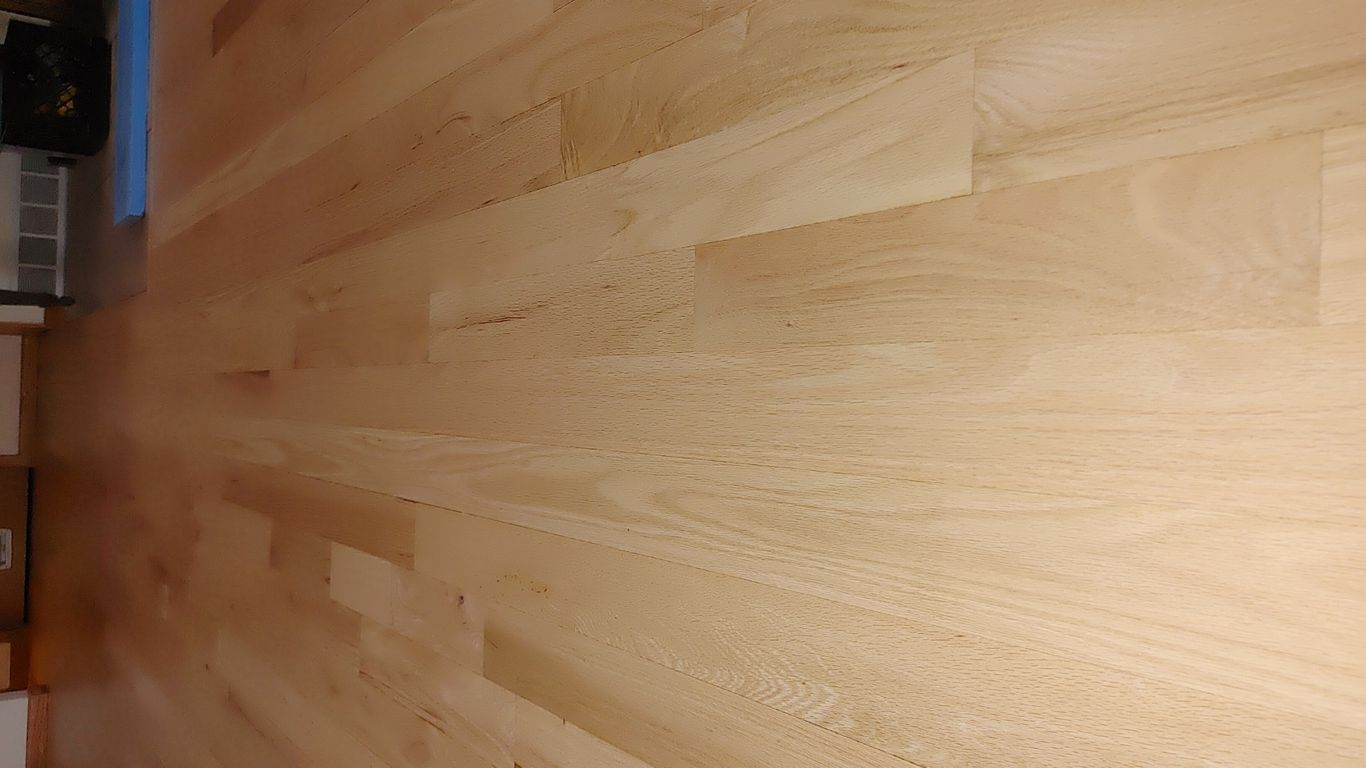
Keeping your polymer-coated wood looking its best is pretty straightforward. The key is regular, gentle cleaning. Think of it like taking care of a good piece of furniture – you wouldn't use harsh stuff on it, right? So, for daily upkeep, just a quick sweep or vacuum with a soft brush attachment is usually all you need. This gets rid of any dust or grit that could scratch the surface over time. The goal is to prevent abrasive particles from building up.
Recommended Cleaning Solutions
When it's time for a more thorough clean, stick to products specifically made for finished wood floors. You don't need anything fancy. A pH-neutral cleaner is your best bet. These are designed to clean effectively without stripping away the protective coating or leaving behind any dulling residue. Avoid anything with ammonia, bleach, or strong solvents, as these can break down the polymer over time. If you're unsure, a damp mop with just water is often sufficient for light cleaning. For tougher spots, a dedicated wood floor cleaner like [LOBA Parkett Soap R2U](LOBA Parkett Soap R2U - Ready-to-Use Hardwood Floor Cleaner, 1 Gallon) is a solid choice that professionals trust.
Extending the Life of Your Polymer Coating
To really make your polymer coating last, a few extra steps go a long way. Putting felt pads under furniture legs is a simple but effective way to stop scratches and dents, especially from chairs that get moved around a lot. Also, try to manage the humidity in your home; extreme fluctuations can stress the wood and the coating. For high-traffic areas, consider using area rugs. These not only add comfort but also protect the floor from the brunt of daily wear and tear. Proper maintenance is what separates a floor that looks good for a few years from one that looks great for decades.
Taking care of your finished floors doesn't have to be a chore. Simple, consistent habits are the most effective way to keep them looking new. It’s about being mindful of what the floor encounters daily and using the right tools and cleaners when needed.
Water-Based Polymer Finishes: The Modern Choice
Low VOC and Eco-Friendly Advantages
When we're talking about finishes for wood floors, especially in homes, the air quality inside is a big deal. Traditional finishes often have a strong smell and release a lot of volatile organic compounds (VOCs) into the air. This can be a problem for both the people doing the work and the folks who live there. Water-based finishes have really changed the game here. They use water as the main solvent, which means way fewer harsh chemicals and a much lower VOC content. This makes them a much healthier choice for indoor environments. You get a durable finish without that lingering chemical smell that can hang around for days or even weeks with older types of finishes. It’s a win-win for the applicator and the homeowner, plus it’s better for the planet.
Fast Drying Times and Easy Cleanup
One of the biggest headaches on a flooring job is waiting for finishes to dry. With water-based options, that waiting game is significantly shorter. We're often looking at recoat times of just 2-3 hours, sometimes even less, depending on the specific product and conditions. This speeds up the whole project, letting you get floors back in service much faster. Think about it: a whole floor can be done in a couple of days instead of stretching over a week. And cleanup? It’s a breeze. Just soap and water for your tools. No need for mineral spirits or special solvents. This saves time and hassle, which is always good when you're on a tight schedule.
Crystal-Clear Clarity Without Yellowing
If you're working with beautiful wood, especially lighter species like maple or white oak, you want the finish to show off that natural color, not change it. Older oil-based finishes tend to amber over time, giving the wood a yellowish or honey tone. Water-based finishes, on the other hand, are known for their crystal-clear properties. They dry completely transparent, preserving the wood's original color and grain. This is especially important for modern design aesthetics where a natural, raw look is desired. You get all the protection without any unwanted color shift, keeping your floors looking exactly as intended for years to come.
Selecting the Right Polymer Coating for Your Project
Choosing the correct polymer coating is a big deal for how your wood project turns out. It's not just about slapping on any finish; you've got to think about what the wood will go through and what you want it to look like. Picking the wrong one can lead to problems down the road, like scratches showing up too fast or the finish just not looking right.
Considering Traffic Levels and Wood Species
First off, think about how much action the floor or surface will see. A busy entryway in a home with kids and pets needs something tougher than a quiet bedroom floor. For high-traffic areas, you'll want a professional-grade, two-component (2K) water-based finish. These are built for serious wear and tear, offering superior abrasion resistance. We've found that products like Bona Traffic HD are a solid choice for these demanding spots because they hold up really well.
Different wood species also react differently to finishes. Some woods are softer and scratch more easily, while others are naturally harder. You also need to consider if the wood has any natural oils that might affect how the finish bonds. Always check the product's compatibility with your specific wood type. For instance, some finishes might cause issues with certain exotic woods if not properly prepped.
Matching Sheen to Design Aesthetics
The sheen level of your polymer coating plays a huge role in the overall look of your wood. It's not just about protection; it's about style.
- Matte: This offers a very natural, almost unfinished look. It hides imperfections well and is great for a modern, minimalist aesthetic. It doesn't reflect much light, giving a soft appearance.
- Satin: A popular choice, satin provides a gentle sheen that adds a bit of depth without being too glossy. It's a good balance between natural and reflective.
- Semi-Gloss: This option offers more shine and reflectivity. It can make colors pop a bit more and is easier to clean, but it also shows more imperfections and dust.
- Gloss: The highest level of shine, gloss finishes are very reflective. They can make a space feel brighter but also highlight every tiny scratch or dust particle.
For that ultra-matte, invisible look that keeps the natural wood grain front and center, look for finishes specifically designed for that purpose. These are perfect for projects aiming for a Scandinavian or raw wood vibe.
Compatibility with Stains and Primers
If you're planning to stain your wood, compatibility is key. Not all finishes work well over all stains, and vice-versa. Water-based finishes are generally compatible with water-based stains, and oil-based finishes with oil-based stains. However, some modern water-based finishes can go over certain oil-based stains after proper drying and preparation. Always check the manufacturer's recommendations. Using a primer can also help bridge compatibility gaps and ensure a uniform look. For example, LOBA Amber Prime is designed to work with LOBA stains and topcoats, helping to stabilize color and improve adhesion.
When in doubt, it's always best to test your chosen stain and finish combination on a scrap piece of the same wood. This will show you how the colors will look together and if there are any adhesion issues before you commit to your main project. This simple step can save a lot of headaches later on.
The Role of Primers in Polymer Coating Systems
Enhancing Adhesion with Professional Primers
When you're getting ready to put down a polymer coating on wood, don't skip the primer. It's like laying a solid foundation for a house; it makes everything else stick better and last longer. A good primer creates a surface that the topcoat can really grab onto, which is super important for durability, especially in places where people walk a lot. Without it, you might end up with peeling or chipping down the road, and nobody wants that.
Stabilizing Color and Preventing Issues
Primers do more than just help things stick. They can also help keep the color of your wood consistent. Some primers are designed to block stains from bleeding through, which is a lifesaver if you're working with tricky wood species or using a light-colored finish. They can also help prevent issues like blotching or uneven color, giving you a much smoother, more professional look in the end. Think of it as a buffer between the raw wood and your final finish.
Optimizing Foundation for Topcoats
Basically, a primer sets the stage for your topcoat. It smooths out the surface, fills in tiny imperfections, and provides a uniform base. This means your final polymer coating will go on more evenly and look a lot better. It's all about building up layers that work together. For example, using a quality primer like LOBA EasyPrime can really make a difference in how the whole system performs over time. It’s a step that professionals know is worth the extra time because it leads to better, more reliable results that stand up to daily wear and tear.
Partnering with Professionals for Polymer Coating Success
Expert Guidance on Product Selection
Choosing the right polymer coating can feel like a puzzle, especially with so many options out there. That's where getting some advice from folks who know their stuff really pays off. We're talking about people who deal with these finishes every single day. They can look at your specific project – like what kind of wood you're using, how much foot traffic the floor gets, and what kind of look you're going for – and point you toward the best product. It's not just about picking a can off the shelf; it's about finding a finish that will perform well for years to come. For instance, if you're working with a high-traffic area like a kitchen or a commercial space, you'll need something tougher than what you might use in a low-traffic bedroom. Professionals can help you sort through these details to avoid costly mistakes. They can also help you figure out exactly how much product you'll need, so you don't end up short or with way too much left over. It’s about getting the right fit for your job.
Support for Application Techniques
Even with the best product, how you put it on matters a lot. Professional suppliers often have team members who are not only knowledgeable about the products but also about how to actually apply them. They can give you pointers on things like surface prep, which is super important, and the best way to roll or brush the coating on for a smooth, even finish. They know about proper mixing for two-component systems, the right tools to use, and what to look out for during application. Getting these details right can make the difference between a finish that looks great and lasts, and one that ends up with streaks or bubbles. They can also advise on drying times and when it's okay to put on the next coat, which is key to building up a durable layer.
Ensuring Consistent, Reliable Results
When you're working on a project, whether it's a big commercial job or your own home, you want the finish to turn out right the first time. Partnering with professionals means you're more likely to get that consistent, reliable outcome. They stock products that are known for their performance and have been tested in real-world conditions. Plus, they can offer support if you run into any snags. It’s like having a backup team. They understand that a good finish isn't just about the product itself, but the whole process from start to finish. This kind of support helps ensure your project looks its best and holds up over time, giving you peace of mind. If you're looking for top-tier finishes, Bailey Flooring Supplies has a range of professional-grade options that contractors trust for their durability and consistent performance. Bailey Flooring Supplies is a good place to start when you need reliable products and advice.
Working with experts can make a big difference when you're trying to get the best results with polymer coatings. They know the tricks and the best ways to apply them so your project looks great and lasts a long time. If you want to make sure your coating job is a success, it's smart to get advice from people who really know their stuff. Ready to achieve amazing results? Visit our website today to learn more and find the right solutions for your needs!
Wrapping It Up
So, we've talked about how polymer coatings can really make wood last longer. It’s not just about making things look good, it’s about protecting your investment, whether it’s a nice floor in someone's house or a big commercial job. Using the right stuff, like those professional-grade water-based finishes, makes a big difference. They hold up to wear and tear, spills, and all that daily life throws at them. Plus, they keep that natural wood look without making it shiny or changing the color too much. When you get the prep work right and use a good product, you get a finish that lasts and keeps customers happy. It’s worth the effort to do it right the first time.
Frequently Asked Questions
What exactly is a polymer coating for wood?
Think of a polymer coating as a tough, protective shield for wood. It's like giving your wooden furniture or floors a strong, clear coat that's made of special plastic-like materials. This shield helps keep the wood safe from everyday wear and tear, spills, and scratches.
Why is polymer coating good for making wood last longer?
Polymer coatings are awesome because they make wood super strong against things that can damage it. They create a barrier that stops scratches from happening easily, protects against liquids that might spill, and can even handle chemicals without the wood getting ruined. This means your wood looks good for much longer.
Does a polymer coating change how the wood looks?
Not always! Many modern polymer coatings are designed to be almost invisible. They let the natural beauty and grain of the wood show through without adding a shiny or colored finish. You can get finishes that look totally natural, like the wood was never even coated.
Is it hard to put on a polymer coating?
It can be tricky, and it's best done by someone who knows how. You have to make sure the wood is perfectly clean and smooth before you start. Then, you mix the coating just right and apply it evenly. Getting it perfect takes practice and the right tools.
Are there different kinds of polymer coatings?
Yes, there are! Some are simpler, while others are more advanced, like 'two-component' (or 2K) types. These advanced ones often mix two parts together to create an even stronger, more durable finish. Many are also water-based now, which is better for the environment.
How do I take care of wood with a polymer coating?
Taking care of it is pretty simple. Just sweep or vacuum regularly to keep dirt from scratching the surface. When you need to clean it, use a cleaner that's made for coated wood – nothing too harsh. Putting felt pads on furniture legs also helps a lot.
Are water-based polymer coatings better than older types?
Many people think so! Water-based coatings usually don't have a strong smell, dry faster, and are easier to clean up. Plus, they're better for the air around us because they have fewer 'volatile organic compounds' (VOCs). They also tend to stay clear and not turn yellow over time.
Can I use any polymer coating on any type of wood?
It's important to pick the right one for your specific wood and how much it will be used. For example, floors that get a lot of footsteps need a tougher coating than a decorative shelf. Also, some coatings work better with certain wood types or stains, so it's good to check.
0 comments