
Scratches, dents, or worn spots on your wood floors can be a real eyesore. You might think you need to replace the whole section, but there's a simpler way. Using a wood flooring repair kit can help you fix those imperfections and make your floors look good as new. It’s not as hard as it sounds, and with the right tools and a little patience, you can get professional-looking results right at home. This guide will walk you through how to use a wood flooring repair kit to get those floors looking great again.
Key Takeaways
- A good wood flooring repair kit usually has wood filler, colorants, and tools for application and smoothing.
- Before you start, clean the damaged area well and make sure the surface is ready for the filler.
- Matching the color of the filler to your floor is important for a repair that blends in.
- Using the right tools, like applicators and sandpaper, helps make the repair look natural.
- Finishing the repair with a protective coat and proper maintenance will help it last.
Understanding Your Wood Flooring Repair Kit
Components of a Comprehensive Kit
When you open up a wood flooring repair kit, you'll usually find a few key things. Most kits come with some kind of wood filler, which is basically a putty or paste that you use to fill in dents, scratches, or small holes. This filler is often colorable, meaning you can mix in tints to get it to match your floor. You'll also typically get a few small tools for applying the filler – think little spatulas or putty knives. Some kits might include a small block of sandpaper for smoothing things out after the filler dries. It's worth checking what's inside before you buy, especially if you know you're dealing with a specific type of damage.
Assessing Floor Damage for Repair
Before you even think about grabbing a repair kit, take a good, hard look at the damage. Is it just a surface scratch, or did something heavy gouge the wood? Are there any cracks or missing pieces? For minor stuff, like scuffs or small dents, a basic filler kit should do the trick. But if you've got deeper issues, like significant gouges or even loose boards, a simple kit might not be enough. You might need to consider more involved repairs, or even professional help. Knowing the extent of the damage upfront saves you time and frustration.
Choosing the Right Kit for Your Needs
Picking the right kit really depends on the kind of damage you're dealing with and the type of wood flooring you have. Most kits are designed for general repairs, but some are better for specific wood species or finishes. If your floor has a very specific color or sheen, look for a kit that offers good color-matching options or comes with a range of tints. For high-traffic areas, you'll want a filler that's known for its durability once it cures. Don't be afraid to ask for advice at the store or check online reviews to see what works best for floors similar to yours.
Preparing the Damaged Area
Before you even think about mixing filler or grabbing a brush, the area you're fixing needs to be prepped. This isn't just about making it look clean; it's about making sure whatever you put down actually sticks and lasts. Skipping this step is like building a house on sand – it's not going to end well.
Thorough Cleaning and Debris Removal
First things first, you've got to get rid of all the gunk. Think dust, dirt, old wax, grease, anything that might be clinging to the wood. A good vacuum is your best friend here. Get into all the nooks and crannies. After vacuuming, a wipe-down with a cleaner specifically made for hardwood floors is a good idea. You want a surface that's not just visually clean, but actually clean. If you're dealing with a sticky residue, a little mineral spirits on a rag can help, but make sure it evaporates completely before moving on. The goal is a dust-free, residue-free surface.
Surface Preparation for Adhesion
Once it's clean, you need to think about grip. If the wood surface is too smooth or glossy from an old finish, your repair material might just sit on top and peel off later. Sometimes, a light scuff-sanding with a fine-grit sandpaper (like 180 or 220 grit) is needed. This creates a slightly rougher texture for the filler or finish to grab onto. If you're repairing a deep scratch, you might need to slightly widen the edges of the scratch with a utility knife to give the filler more surface area to bond with. Just be careful not to make the damage worse.
Addressing Subfloor Issues
Sometimes, the problem isn't just the surface of the wood. If the floorboards are loose, squeaky, or uneven, that's a subfloor issue. You'll want to check if the boards are properly nailed or screwed down. Loose boards can cause damage to spread or make your repair look off. If you find any significant movement or rot in the subfloor itself, that's a bigger job and might need more than just a simple repair kit. For minor squeaks, sometimes driving a thin shim into the gap can help, or re-securing the board with a screw if you can hide the head. Don't ignore underlying structural problems; they'll undermine your repair.
Applying Wood Filler and Color Matching
Mixing and Applying Wood Filler
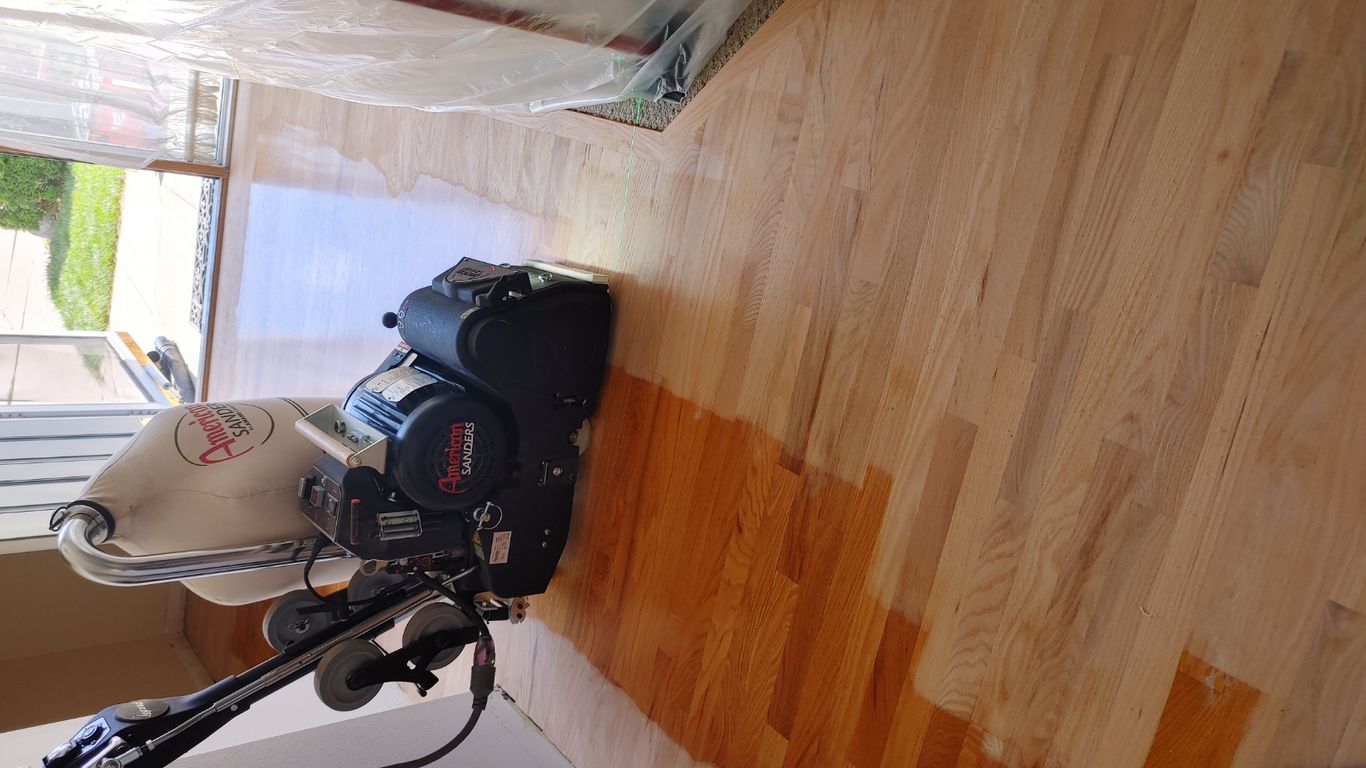
Alright, so you've got that damaged spot on your hardwood floor, and it's time to fill it. Most repair kits come with a wood filler, and it's usually a putty or a paste. If it's a powder, you'll mix it with water to get the right consistency. Think of it like making a thick pancake batter – not too runny, not too stiff. You want it to be spreadable but also hold its shape.
When you're applying it, use a putty knife or the applicator tool that came with your kit. Press the filler into the damaged area, making sure to fill the void completely. Don't just glob it on the surface; really work it into the scratch or gouge. Scrape off any excess right away. It's way easier to clean up now than after it dries hard as a rock.
Achieving a Seamless Color Match
This is where things can get a little tricky, but it's totally doable. The filler itself might be a neutral color, or the kit might have a few different shades you can mix. Your goal is to get a color that looks as close as possible to your existing floor. Take a look at your floor in good light. See the main color, but also notice any undertones or variations. If your floor is a warm brown, you might need to add a touch of red or yellow to your filler. If it's cooler, maybe a hint of gray or even a tiny bit of green.
The trick is to test your color mix on a scrap piece of wood or an inconspicuous area first. Let it dry completely. Sometimes the color changes when it dries. You might need to do a few test batches to get it just right. It's better to spend a little extra time here than to have a patch that sticks out like a sore thumb.
Working with Different Wood Species
Different wood species take stain and filler differently. Oak, for example, has a very open grain, which can make it a bit more forgiving with filler. Pine, on the other hand, is softer and can sometimes absorb filler unevenly, leading to darker spots. If you're working with a very light wood like maple, you'll need to be extra careful with your color matching, as even slight variations can be noticeable.
| Wood Species | Filler Absorption Tendency | Color Matching Considerations |
|---|---|---|
| Oak | Moderate | Can show undertones |
| Maple | Low | Very sensitive to color |
| Pine | High | Can absorb darker |
| Walnut | Moderate | Rich, deep tones |
Always try to get a filler that's designed for wood flooring. Some fillers are too soft and won't hold up to foot traffic, while others are too hard and can be difficult to sand. If you're unsure about your wood type, it's always a good idea to consult the flooring manufacturer or a local flooring pro.
Using Specialized Repair Tools
When you're patching up your wood floors, having the right tools makes a world of difference. It's not just about the filler or the color; it's about how you apply it and how you make it look like it was never damaged in the first place. Think of these tools as your precision instruments for making those repairs disappear.
Applicator Guns for Precision
For larger repairs or when you're working with a bulk filler product, an applicator gun can be a real game-changer. These aren't your typical caulking guns. We're talking about tools designed for a consistent, controlled flow of material. For instance, the Applicator 90 is a heavy-duty, 1-gallon sausage applicator that’s built for serious work. It’s great for covering larger areas efficiently and keeps the product fresh. If you're dealing with smaller spots or need more delicate control, something like the Applicator 35, which is a 20 oz capacity gun, might be more your speed. It's lighter and offers that fine-tuned application needed for detailed work, reducing fatigue over a long day.
Sanding and Smoothing Techniques
Once your filler is dry, you'll need to smooth it out. This is where sanding comes in, and you've got to be careful not to overdo it. Start with a medium grit sandpaper, maybe around 120-150, to level the filler with the surrounding floor. The key is to sand only the repaired area and a little bit around it, feathering the edges. You don't want to create a noticeable dip or a rough patch. After you've got it level, move to a finer grit, like 220, to make it smooth to the touch. A sanding block is good for flat areas, but for curves or tight spots, you might need to wrap sandpaper around a small block of wood or even use a sanding sponge.
Essential Hand Tools for Detail Work
Beyond the bigger tools, a few simple hand tools are indispensable. A putty knife or a small trowel is perfect for applying wood filler, especially in smaller nicks and scratches. You want a flexible one that won't gouge the wood. For cleaning up excess filler before it dries, a damp cloth or a shop rag works well. Sometimes, a small, stiff brush can help get filler out of wood grain. And don't forget a good utility knife for trimming any dried filler that might be sticking up a bit too much. These little tools help you get into the nooks and crannies and ensure a clean repair before you even think about sanding or finishing.
Finishing Touches for a Professional Look
Applying Protective Topcoats
Once your wood filler has cured and is prepped, it's time to seal and protect the repair. This is where you apply your topcoat, whether it's a clear finish or a stain-based product. The goal here is to make the repaired area blend in and, more importantly, to protect the wood from future wear and tear. You'll want to use a finish that matches the existing coating on your floor. If your floor has a satin finish, you'll want to apply a satin topcoat over the repair. Applying a different sheen can make the repair stand out, which is the opposite of what we're going for.
Blending Repaired Areas with Existing Finish
This is probably the trickiest part, but it's what makes a repair truly invisible. You've got to get the color and sheen just right. If you've used a wood filler that's close in color, you might only need a bit of touch-up stain or a slightly different sheen of topcoat to make it disappear. Sometimes, you can even use a bit of the existing floor finish on a small applicator to feather the edges of the repair. It takes a steady hand and a good eye, but when you get it right, you'll barely be able to tell where the damage was.
Achieving the Desired Sheen
Sheen refers to how shiny or matte your floor finish is. Common sheens include matte, satin, semi-gloss, and gloss. It's important to match the sheen of your repair to the rest of the floor. If your floor is matte, applying a glossy finish will be very noticeable. Most repair kits come with options to adjust the sheen, or you might need to mix different topcoats. A little bit of experimentation on a scrap piece of wood can help you nail the perfect sheen before you apply it to your floor. Getting the sheen right is often the difference between a DIY fix and a professional-looking repair.
Maintaining Your Repaired Wood Floors
Keeping your wood floors looking good after you've made repairs is pretty straightforward, but it does take a little effort. It’s not just about cleaning; it’s about how you clean and what you do to protect them day-to-day. Think of it like taking care of a good pair of boots – a little attention goes a long way.
Regular Cleaning Practices
For daily upkeep, a good sweep or a vacuum with a soft brush attachment is your best bet. You want to get rid of dust and grit that can scratch the finish over time. When it’s time for a deeper clean, use a cleaner specifically made for hardwood floors. Avoid using too much water, as excess moisture is the enemy of wood. A damp mop is usually sufficient.
- Sweep or vacuum daily: This removes abrasive particles.
- Use a pH-neutral hardwood floor cleaner: For weekly or bi-weekly cleaning.
- Wipe up spills immediately: Don't let liquids sit on the surface.
- Avoid steam mops: The heat and moisture can damage the finish and the wood.
Protective Measures for Longevity
Think about what can cause wear and tear and take steps to prevent it. Furniture legs are a big culprit for scratches. Putting felt pads on the bottom of chairs, tables, and other furniture can make a huge difference. For entryways, a good doormat can trap dirt and moisture before it gets tracked onto your floors. Also, try to maintain a consistent humidity level in your home, as extreme fluctuations can cause wood to expand and contract, potentially affecting your repairs.
Protecting your floors is about more than just looks; it's about preserving the integrity of the wood and the repairs you've made. Small, consistent efforts prevent bigger problems down the line.
Addressing Future Wear and Tear
Even with the best care, some wear is inevitable, especially in high-traffic areas. If you notice minor scuffs or dull spots appearing over time, you might be able to refresh the finish. Depending on the type of finish you used, a maintenance coat or a specific hardwood floor refresher product could help restore the protective layer. For more significant damage that might occur later, you can always refer back to your repair kit or consider a professional refinishing if the wear is widespread. Keeping the original repair kit handy is a good idea for touch-ups.
- Inspect regularly: Look for any signs of wear or damage.
- Use furniture coasters: Especially under heavy items.
- Consider a maintenance coat: If the finish starts to look dull, a refresh might be needed.
- Keep repair materials: For quick fixes on minor issues.
Troubleshooting Common Repair Issues
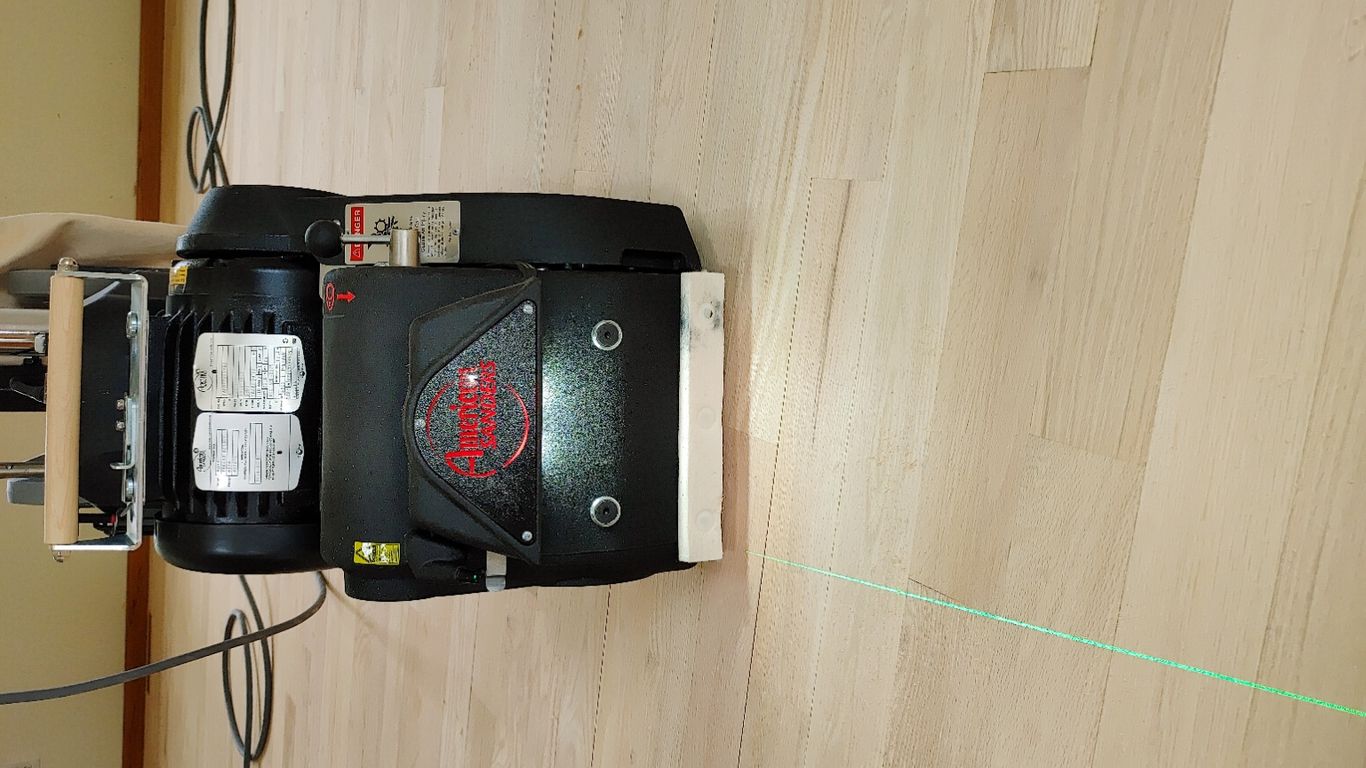
Even with the best kits and careful work, sometimes things don't go exactly as planned. Don't sweat it; most common issues have straightforward fixes. It's all part of the learning curve when you're working with wood.
Dealing with Uneven Color
This is probably the most common headache. You've applied the filler, it's dried, and then you look and think, 'Wow, that patch really stands out.' It happens. The wood filler might have absorbed the stain differently than the surrounding floor, or maybe the original stain had a bit more depth than you realized.
- Check the lighting: Sometimes, weird color differences look worse under certain lights. Try looking at the repair in natural daylight and under your home's usual lighting.
- Re-stain carefully: If the color is still off, you might need to apply another thin layer of stain. Use a small artist's brush or a foam swab to apply stain only to the repaired area. It's better to build up the color slowly than to go too dark all at once.
- Consider a tinted topcoat: For very minor discrepancies, a slightly tinted topcoat can sometimes help blend the repair. This is more of a last resort, though.
- Use a color matching tool: If you're serious about getting it perfect, some brands offer color matching kits or fan decks that can help you find the closest match before you even start.
Resolving Adhesion Problems
If your filler or topcoat isn't sticking like it should, it usually comes down to surface prep. Wood filler needs a clean, slightly roughed-up surface to grab onto. Finishes need a clean, dry surface free of dust, oils, or old wax.
- Cleanliness is key: Make sure the area is absolutely free of dust, grease, or any other contaminants. A good vacuum followed by a tack cloth is usually the best bet before applying any finish.
- Proper sanding: For fillers, a light scuff sand of the area before application can help. For finishes, ensure the previous layer is fully dry and lightly abraded if the product instructions call for it.
- Check product compatibility: Are you using products that work well together? Sometimes, certain fillers or finishes can react poorly with others. Always read the labels.
- Moisture issues: Make sure the wood and the filler are completely dry. Applying finishes over damp surfaces is a recipe for disaster.
Correcting Over-Application
It's easy to get a little too enthusiastic with the filler or the topcoat, especially when you're trying to make sure you've covered everything. If you end up with a blob of filler or a thick, uneven coat of finish, you'll need to fix it.
- Scrape carefully: For excess filler that's still pliable, you might be able to carefully scrape it off with a putty knife. Be gentle so you don't gouge the surrounding wood.
- Sanding is your friend: Once dry, excess filler or finish can usually be sanded down. Start with a medium grit sandpaper and work your way to finer grits to avoid scratching the floor. Feather the edges so the repair blends smoothly.
- Don't over-sand: Be careful not to sand through the existing finish or into the wood itself, especially around the edges of the repair.
- Wipe away dust: After sanding, always clean up the dust thoroughly before applying any more product. A vacuum and a tack cloth are your best tools here.
Advanced Techniques with Repair Kits
Repairing Deep Scratches and Gouges
When you've got a deeper issue, like a significant scratch or a gouge that goes past the finish and into the wood itself, a standard wood filler might not cut it. For these kinds of repairs, you'll want a filler that's a bit more robust. Look for products specifically designed for deeper damage. These often come in a paste or putty form, which allows you to build up the material in layers if needed. The key here is patience. You can't just slap it in and expect perfection. Apply the filler in thin layers, letting each one dry according to the manufacturer's instructions before adding the next. This prevents shrinkage and cracking. Once it's fully dried and hardened, you'll sand it down flush with the surrounding floor. The real trick is the color matching. You might need to mix a couple of different filler colors to get it just right. It's better to go a little lighter than too dark, as you can always deepen the color with a stain pen or touch-up marker later. For really deep gouges, sometimes you can even use a bit of the wood filler mixed with sawdust from the same wood species to get a closer match. It takes a steady hand and a good eye, but it's doable.
Addressing Cupping and Warping
Cupping and warping are usually signs of moisture issues in your floor, and a repair kit isn't going to fix the root cause. However, for minor cupping or slight warping that hasn't completely ruined the board, you might be able to make it look better. If a board is cupped, meaning the edges are higher than the center, you can sometimes use a wood filler to fill the gap that forms at the edge. Apply it carefully, pressing it into the gap. Once dry, sand it smooth. For slight warping, if the board isn't too far gone, you might be able to use a filler to smooth out the transition between the warped section and the rest of the floor. It's important to understand that these are often temporary fixes for cosmetic issues, not solutions for underlying structural problems. If you suspect a persistent moisture problem, you need to address that first, perhaps by checking for leaks or improving ventilation. Ignoring the cause could lead to more damage down the line.
Integrating Repairs with Refinishing Projects
When you're planning a full floor refinish, your repair kit becomes an even more powerful tool. Instead of just spot-fixing, you can use the filler to make the entire floor look uniform. Before you start sanding the whole floor, go over it and fill any significant scratches, gouges, or even nail holes. This way, when you do your initial sanding, you're removing the old finish and leveling out your repairs all at once. Using a good quality wood filler that can be sanded and stained is key here. You'll want to choose a filler that accepts stain well, so after you've filled everything, the repaired spots blend in when you apply your new stain. Some fillers are designed to be intermixed to create custom shades, which is a big help when you're trying to match a specific stain color. After staining, you'll apply your new finish coats over the entire floor, including the repaired areas, for a consistent look. This approach makes your repairs practically invisible once the job is done. For a professional finish, consider using a high-quality water-based finish like Loba Easy Finish, which offers durability and a clear, non-yellowing coat. Learn more about finishes.
Want to fix up your floors like a pro? Our "Advanced Techniques with Repair Kits" section shows you how to handle tricky spots and make your floors look brand new. Don't let small problems become big headaches. Visit our website today to learn more and get the right tools for the job!
Wrapping It Up
So, there you have it. Fixing up those dings and scratches on your wood floors doesn't have to be a huge headache. With the right kit and a little patience, you can make those worn spots look pretty much new again. It’s not about being a pro, it’s about taking the time to do it right. Remember to prep the area well and follow the steps. A little effort now can save you a lot of trouble down the road, keeping your floors looking good for years to come. If you ever get stuck, don't be afraid to look up more info or ask someone who knows.
Frequently Asked Questions
What exactly comes in a wood flooring repair kit?
Most kits have things like wood filler (like a putty for wood), color sticks or pens to match the floor's color, and sometimes small tools like putty knives or applicators. Some might even include a little bit of sanding paper or a sealant to finish the job.
How do I pick the right color for my floor repair?
Look closely at your floor's color. Kits often come with a few shades or tools to mix colors. Test the color in an inconspicuous spot first, like in a closet, to make sure it looks right before fixing the main area. It's better to go a little lighter than too dark, as you can usually add more color, but it's hard to take it away.
Can I use a repair kit on any type of wood floor?
These kits are generally best for solid wood or engineered wood floors with a protective finish. They work well for scratches, small dents, or gouges. They might not be the best fix for very deep damage or floors with a very unusual finish, like wax or oil finishes, without checking the kit's instructions first.
How long does a wood floor repair usually take?
For small fixes, like a scratch, it can be as quick as 30 minutes to an hour, including drying time. If you need to build up filler or do a lot of color matching, it might take a couple of hours. Always allow the filler to dry completely before sanding or applying any topcoat.
What's the difference between wood filler and wood putty?
Wood filler is usually a bit stronger and shrinks less, making it good for deeper holes or gouges. Wood putty is softer and easier to work with for minor surface scratches and doesn't need sanding as much. Some kits might use one or the other, or a combination.
Do I need to sand the area before using the repair kit?
Yes, it's usually a good idea to lightly sand the damaged spot. This helps clean off any loose bits and gives the filler something to stick to better. Just make sure to clean up all the dust afterward so the repair looks smooth.
What should I do if the color still doesn't match after I'm done?
Don't worry! Sometimes it takes a few tries. You might be able to carefully add a bit more color with a touch-up pen or a very fine brush. If it's really off, you might need to remove the filler (if it's not too deep) and try again with a different color mix. For bigger issues, you might need a professional.
How can I make the repaired spot last longer?
After the repair is fully dry and you've matched the color, you can apply a matching sealant or finish if your kit includes it. Regular cleaning with the right products and avoiding dragging heavy furniture will also help your repair blend in and last.
0 comments