
So, you're thinking about putting down some new laminate flooring? That's cool. It looks good and it's usually not as pricey as real wood. But what about the actual work involved in getting it installed? The labor to install laminate flooring can really add up, and it's not always straightforward. We're going to break down what goes into the cost and effort, so you know what to expect for your project in 2026.
Key Takeaways
- The labor to install laminate flooring typically runs from $1.50 to $4 per square foot, but this can change based on where you live and how tricky the job is.
- Things like fixing up the subfloor, getting rid of old flooring, and dealing with stairs or weird room shapes can make the installation take longer and cost more.
- While DIY saves on labor costs (about $1.50-$4 per sq. ft.), professional installation offers a guarantee of quality and saves you time, especially for complex jobs.
- The quality of the laminate itself, like its AC rating and thickness, doesn't directly change the labor cost per square foot, but higher-quality options might require more careful handling.
- When getting quotes, always ask what's included, like old flooring removal and disposal, and compare at least three different installers to get a fair price.
Understanding The Labor To Install Laminate Flooring
When you're looking at putting down new laminate flooring, the cost of the actual installation labor is a big piece of the puzzle. It's not just about the planks themselves; how much it costs to get them put in place can really change your total budget. This part of the project can vary a lot because some installations are simple, while others require extra prep work or tricky cuts.
Factors Influencing Installation Labor Costs
The price tag for labor isn't set in stone. Several things can push it up or down. Think about the condition of your current floor and what's underneath it. If the subfloor is uneven, it'll need fixing, which adds time and money. Also, if you've got old flooring that needs to be ripped up and hauled away, that's another labor cost to consider. The shape of the room matters too; a simple rectangle is way easier and cheaper to cover than a room with lots of angles, closets, or tricky corners.
Typical Labor Rates Per Square Foot
Generally, you can expect labor costs for laminate flooring installation to fall somewhere between $1.50 and $4.00 per square foot. This is a broad range, and where you land depends heavily on the factors we just talked about. For instance, a straightforward, single-level room with a good subfloor will be on the lower end. If you're dealing with stairs, multiple small rooms, or significant subfloor repair, you'll likely be looking at the higher end of that range, or even more. It's important to get a few quotes to see what professionals in your area are charging.
The Impact of Room Size on Labor
While the rate is often quoted per square foot, the overall size of the room does have an impact. Larger areas might get a slightly better per-square-foot rate from some installers, but the total labor cost will naturally be higher simply because there's more ground to cover. Smaller, more complex spaces, like a small bathroom with a lot of cuts around fixtures, might have a higher per-square-foot labor cost than a large, open living room because the installer has to spend more time on detailed work and less time on repetitive tasks. It's a balance between sheer volume and the intricacy of the job.
Key Considerations For Laminate Installation Labor
When you're figuring out the cost of putting down new laminate flooring, the labor part is a big piece of the puzzle. It's not just about the planks themselves; how much work goes into getting them down and looking good really adds up. Several things can make this job take more time and, therefore, cost more in labor.
Subfloor Preparation And Its Labor Effect
The surface underneath your new laminate floor, called the subfloor, has to be just right. If it's not perfectly flat, has dips, or is damaged in any way, installers have to fix it first. This prep work can add a significant amount to the labor bill. Uneven subfloors can easily add 10% to 20% more to the labor costs because they require extra time for leveling or repairs. A solid, flat subfloor makes the installation process smoother and quicker, which usually means lower labor expenses.
Old Flooring Removal And Disposal Labor
Before the new laminate can go down, any old flooring has to come up. This includes ripping out carpet, tile, or old wood. Depending on what's there and how it was installed, this can be a messy and time-consuming job. Removing old flooring can add anywhere from $1 to $2 per square foot to the labor cost. Plus, you have to think about getting rid of the old stuff, which might involve extra fees for disposal.
The Role Of Underlayment In Labor Costs
Underlayment is that layer that goes between the subfloor and the laminate. It helps with sound dampening, adds a bit of cushion, and can even provide a moisture barrier. While the material itself isn't usually super expensive, installing it adds another step to the job. If the laminate you choose doesn't have attached padding, you'll need to lay down underlayment. This extra step increases the overall labor time and, consequently, the cost. For areas prone to moisture, like basements or bathrooms, a separate moisture barrier might be needed, adding even more to the labor involved.
Complexity And Its Effect On Labor
When we talk about installing laminate flooring, the complexity of the job can really change how much time and effort it takes. It's not just about laying down planks; sometimes, the room itself throws some curveballs that make the work take longer.
Navigating Stairs And Tight Corners
Installing laminate on stairs is a whole different ballgame compared to a flat floor. Each step needs to be measured precisely, cut carefully, and secured properly. This takes a lot more time and skill than just clicking planks together in a straight line. Similarly, tight corners, like those found in small closets or around awkward built-ins, require meticulous cutting and fitting. These detailed cuts and adjustments add significant labor time to the project.
Irregular Layouts And Their Labor Demands
Rooms that aren't simple squares or rectangles can be a pain. Think about L-shaped rooms, rooms with bay windows, or spaces with lots of nooks and crannies. Each angle and edge means more cuts, more fitting, and more potential for mistakes. This means the installer has to spend more time planning and executing each piece, which naturally drives up the labor cost. It’s not uncommon for these types of layouts to increase the labor needed by 8% to 12% due to the extra material waste and fitting time.
Special Installation Methods Requiring More Labor
While most laminate clicks together, some situations might call for different methods. If the subfloor is particularly uneven, for instance, it might need extra prep work like self-leveling compound, which adds steps and labor. In some very specific cases, or with older types of laminate, you might encounter glue-down or nail-down methods, both of which are more labor-intensive than the standard click-lock system. These methods require more tools, more precision, and more time to complete correctly.
Material Quality And Labor Interaction
When you're figuring out the cost to put down laminate flooring, the quality of the materials you pick plays a pretty big role, not just in how the floor looks and lasts, but also in how much work it takes to install. It’s not just about the price tag of the planks themselves; it’s about how those planks interact with the installation process.
AC Ratings And Their Influence On Installation
The AC rating on laminate flooring tells you how tough it is. Think of it like a durability score. AC1 is the least tough, and AC5 is super strong, usually for places with tons of foot traffic, like stores. For most homes, AC3 or AC4 is a good bet, especially in busy spots like hallways or kitchens. Higher AC ratings mean the planks are generally denser and harder, which can sometimes make them a bit trickier to cut cleanly. This means your installer might need sharper blades or take a little more time to get perfect edges, especially around obstacles. It’s a trade-off: a tougher floor might mean a slightly longer installation time.
| AC Rating | Durability Level | Best Use Cases |
|---|---|---|
| AC1-AC2 | Low to Moderate | Bedrooms, guest rooms |
| AC3 | Standard Residential | Living rooms, dining rooms, hallways |
| AC4 | High Residential | Kitchens, entryways, high-traffic areas |
| AC5 | Light Commercial | Very high-traffic areas, home offices |
Thickness And Its Labor Implications
Laminate plank thickness is another factor. Thicker planks, often around 10mm to 12mm, tend to feel more solid underfoot and can sometimes be easier to work with because they have a more substantial feel. However, they can also be a bit heavier. Thinner planks, maybe 7mm or 8mm, are lighter but can sometimes feel a bit more flexible. If the subfloor isn't perfectly flat, thinner planks might show imperfections more, potentially requiring more subfloor prep work, which adds to the labor. Thicker, higher-quality laminate often leads to a more straightforward installation process with fewer callbacks.
Waterproof Laminate Installation Labor
Waterproof or water-resistant laminate is a game-changer for areas like kitchens, bathrooms, or basements. The technology that makes these planks resistant to moisture can sometimes affect how they fit together. While many still use a simple click-lock system, the seals might be a bit tighter, or the material itself might be slightly less forgiving if you try to force pieces together. This means installers need to be precise. They can't just bang planks into place; they need to ensure each connection is secure and properly seated to maintain that waterproof integrity. It’s not a huge difference, but it does require a bit more attention to detail, potentially adding a small amount of time to the labor.
When you're looking at the materials, think about how they'll actually go down on the floor. A plank that's super tough might take a bit more effort to cut, and a floor designed to keep water out might need a more careful hand during installation. It's all part of the puzzle that makes up the total cost and time.
Choosing the right materials can impact the installation in several ways:
- Ease of Cutting: Some materials are easier to cut cleanly than others.
- Subfloor Sensitivity: Thinner or less rigid materials may require a more perfect subfloor.
- Joint Integrity: Waterproof features can sometimes mean tighter, more precise connections.
- Overall Fit: The density and construction affect how easily planks lock together.
For professional installation services and advice on material selection, consider looking into options like Illustrious Flooring in your area.
Regional Labor Rates And Project Budgeting
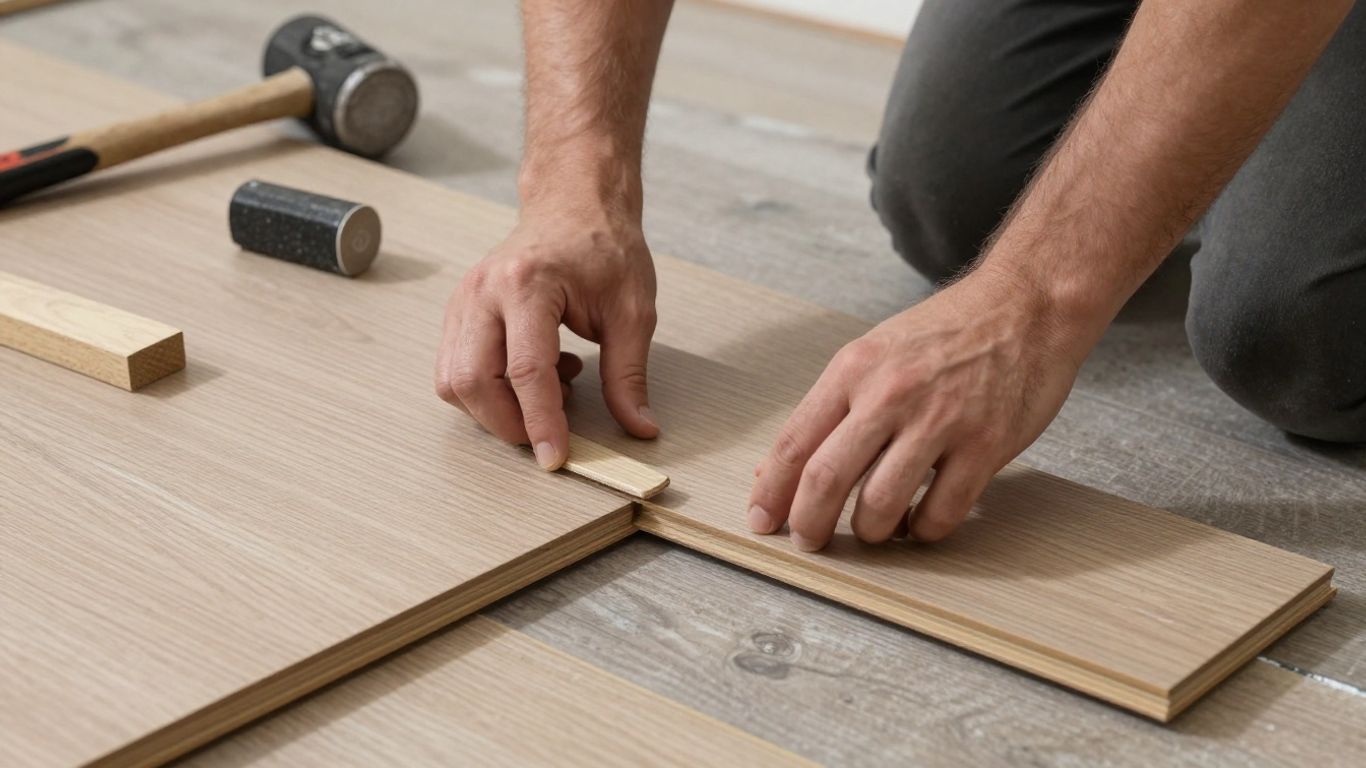
When you're figuring out the total cost for your laminate flooring project, don't forget about where you live. Labor rates can swing quite a bit from one area to another, and this can really change your overall budget. It’s not just about the flooring material itself; the folks doing the work have different costs of living and demand in different places.
Geographic Variations In Labor Costs
Think about it: a job in a major city like New York or San Francisco is probably going to cost more in labor than the exact same job in a smaller town in the Midwest. This isn't because the installers are any less skilled, but because their overhead and the general cost of doing business are higher. We're seeing average labor costs for laminate installation range anywhere from $1.50 to $4.00 per square foot, but this is just a ballpark. In some high-cost areas, you might even see those numbers creep higher, especially if the job is complex or requires specialized skills. It’s always a good idea to check what the going rate is in your specific zip code.
Estimating Labor For Your Specific Location
So, how do you get a handle on what you'll actually pay? The best way is to get quotes from local professionals. When you talk to installers, ask them about their rates and what's included. Some might quote a flat rate per square foot, while others might break it down further. It’s also helpful to know if they charge extra for things like removing old flooring or preparing the subfloor. Remember, a good installer will often use advanced estimation tools to give you a more precise figure, which can help prevent surprises down the road. For instance, using accurate voice data capture during the initial assessment can prevent measurement errors that lead to unexpected costs later on.
Comparing Labor Quotes From Professionals
Once you have a few quotes in hand, don't just pick the cheapest one. Look at what each quote includes. Does one installer offer a more thorough subfloor preparation than another? Is one quote including the disposal of old materials, while another doesn't? Comparing these details is just as important as comparing the price itself. You want to make sure you're getting good value and that the work will be done right. It might be worth paying a little more for an installer who has a solid reputation and provides a detailed breakdown of their services. If you're looking for ways to manage costs, exploring options like Bona floor care products might be a good idea for maintaining your new floor after installation, potentially saving on future upkeep expenses.
Here’s a quick look at how labor can factor into the total cost:
- Material Costs: This is for the laminate planks, underlayment, and any trim pieces.
- Labor Costs: This covers the installer's time, skill, and overhead.
- Additional Costs: Think about subfloor prep, old flooring removal, and disposal fees.
| Cost Component | Estimated Range (per sq. ft.) |
|---|---|
| Laminate Material | $1.00 - $5.00 |
| Underlayment | $0.30 - $1.10 |
| Installation Labor | $1.50 - $4.00+ |
| Subfloor Prep (if needed) | Varies (can add 10-20%) |
| Old Flooring Removal | $1.00 - $2.00 |
Keep in mind that these are just general figures. Your specific location and the complexity of your project will ultimately determine the final price. Always get multiple quotes to ensure you're getting a fair deal for quality workmanship.
DIY Versus Professional Installation Labor
When it comes to putting down new laminate flooring, you've got two main paths: tackle it yourself or hire a pro. Each has its own set of pros and cons, and what's best really depends on your skills, your budget, and the complexity of the job.
When Professional Labor Is a Smart Investment
Sometimes, paying for someone else to do the work just makes more sense. If your subfloor is uneven or needs repairs, a professional has the tools and know-how to fix it right. They're also the go-to if you're installing over stairs or in rooms with lots of awkward angles and tight corners. Professionals can usually get the job done faster, especially on larger projects, and they often come with a guarantee on their work. Plus, they handle the cleanup, which is a nice bonus.
- Subfloor issues: If your existing floor isn't level or has damage, pros can fix it.
- Complex layouts: Stairs, small nooks, and irregular shapes are their specialty.
- Warranty and peace of mind: Professional installation often comes with a labor warranty.
- Time savings: They can complete the job much quicker than most DIYers.
Hiring a professional means you're paying for expertise, efficiency, and a finished product that's likely to last longer without issues. It's an investment in quality and can save you headaches down the road.
DIY Labor Savings and Potential Pitfalls
Going the DIY route can definitely save you money, as labor costs can add up. Laminate flooring, especially the click-lock kind, is designed to be relatively easy for homeowners to install. You can work at your own pace and schedule, which is great if you're not in a rush. However, there's a higher chance of making mistakes that could lead to a faulty installation. Some manufacturers might even void your product warranty if the flooring isn't installed correctly by a professional. It also requires a good amount of physical work, so be prepared for that.
- Cost savings: You eliminate the labor fees, which can be a significant portion of the total project cost.
- Flexibility: You set the schedule and work when it's convenient for you.
- Learning experience: You gain new skills and a sense of accomplishment.
The biggest pitfall is the potential for a poor installation that can lead to problems like gaps, unevenness, or even damage to the flooring itself.
Hiring the Right Professional For the Job
If you decide to hire a professional, doing your homework is key. Don't just pick the first name you find. Get quotes from at least three different installers to compare prices and services. Make sure they are licensed and insured in your area. Ask for references and check online reviews to get a sense of their reputation. A good contractor will provide a detailed estimate that clearly outlines what's included, like old flooring removal and disposal. It's also wise to ask about their timeline and any workmanship warranties they offer.
- Get multiple quotes: Compare pricing and what's included.
- Check credentials: Verify licenses and insurance.
- Read reviews and ask for references: See what past clients say.
- Get a detailed contract: Understand the scope of work and timeline.
Deciding whether to install your flooring yourself or hire a pro can be tricky. While DIY saves money upfront, professional installation often means a better, longer-lasting finish. Think about the time and skill involved; sometimes, it's worth the investment for peace of mind. For expert advice and top-quality materials to ensure your project shines, visit our website today!
Wrapping It Up
So, we've walked through what it takes to get laminate flooring installed. It's not just about picking out some planks, you know? There's the cost of the material itself, which can change a lot depending on how tough you need it to be or if you want it to look like fancy wood. Then there's the labor, and that's where things can really add up, especially if your floor's not perfectly flat or you've got a bunch of tricky corners. For a lot of folks, the labor part makes up a good chunk of the total bill, sometimes more than half. You can save a good bit by doing it yourself if you're up for it, but if you're not, finding a solid installer is key. Just remember to get a few quotes and check out who you're hiring before they start swinging hammers. It’s all about getting a good floor that looks sharp and lasts without breaking the bank.
Frequently Asked Questions
How much does it typically cost to have laminate flooring installed?
The cost to install laminate flooring can range from $1.50 to $4 per square foot for labor alone. This price can go up or down depending on where you live and how tricky the installation is. When you add in the cost of the flooring itself, the total price usually falls between $3 and $8 per square foot.
What makes the labor cost for laminate flooring installation go up?
Several things can make the installation cost more. If the floor underneath (the subfloor) isn't flat and needs fixing, that adds time and money. Also, if old flooring needs to be taken out and thrown away, or if the room has lots of corners, stairs, or an unusual shape, the installers will have to work harder and longer, which increases the cost.
Does the type of laminate flooring affect installation labor costs?
Yes, it can. For example, waterproof laminate might cost a bit more to install because it often requires special attention or techniques. Also, thicker planks can sometimes be easier to work with, but very thin planks might need more careful handling or extra prep work on the subfloor, which could influence the labor cost.
Is it cheaper to install laminate flooring myself or hire a professional?
Hiring a professional will always cost more because you're paying for their time and expertise. Doing it yourself, known as DIY, can save you money on labor, potentially saving $1.50 to $4 per square foot. However, DIY installation requires your time, effort, and the right tools, and there's a chance of making mistakes if you're not experienced.
How important is the subfloor when installing laminate?
The subfloor is very important! It's the base that the laminate sits on. If it's not smooth, level, and sturdy, the laminate might not look right, could squeak, or might even get damaged over time. Fixing or preparing the subfloor before installing laminate can add to the overall cost and labor time.
Does the size of the room change the labor cost per square foot?
While the price per square foot might stay similar, larger rooms generally mean more total labor hours and thus a higher overall cost for the installation. For very small or very large areas, installers might adjust their per-square-foot rate slightly. Also, complex layouts within any size room will increase the labor demand.
0 comments