

So, you're looking to finish some wood, huh? Maybe it's a floor, maybe it's a piece of furniture. Whatever it is, you probably want it to look good and last a while. For a long time, folks just went with the usual oil-based stuff. But things are changing. There's a new player in town, and it's called water based wood coatings. They're becoming really popular, and for good reason. They're better for you, better for the environment, and honestly, they work really well. Let's talk about why you might want to switch to these water based wood coatings.
Key Takeaways
- Water based wood coatings are a great alternative to traditional finishes, offering a healthier and more eco-friendly option.
- These finishes provide excellent durability and a clear, non-yellowing look that lasts.
- Application is generally straightforward, with faster drying times compared to oil-based products.
- Choosing the right system, whether 1K or 2K, and understanding compatibility with primers is important for best results.
- Proper surface prep and application techniques are key to achieving a professional and long-lasting finish with water based wood coatings.
Understanding Water Based Wood Coatings
The Shift Towards Eco-Friendly Finishes
The flooring industry has seen a big change lately, and it's mostly about going green. For years, we've relied on finishes that worked, sure, but they came with some serious drawbacks. Think strong fumes, long drying times, and a whole lot of chemicals. Now, though, there's a new player in town: water-based wood coatings. These aren't just some trendy new thing; they're becoming the go-to for a lot of us in the trades. The main reason? They're way better for the environment and for us working with them every day. We're talking lower VOCs (that's volatile organic compounds, the stuff that makes those harsh smells and can be bad for your health) and a much easier cleanup. It feels good to use products that are less harsh, and honestly, the performance is right there with the old stuff, sometimes even better. It’s a win-win, really. We get to do a great job for our clients and feel better about the products we're using.
Key Advantages for Professionals
For guys like us who are on job sites day in and day out, the advantages of water-based finishes are pretty clear. First off, the drying time is a game-changer. We can often recoat in just a couple of hours, which means we can get more done in a day. This speeds up the whole project, letting clients get back into their homes or businesses sooner. That's a big selling point. Plus, the cleanup is a breeze. No more wrestling with mineral spirits and messy rags; a little soap and water usually does the trick. This saves time and hassle at the end of the day. The reduced odor is another huge plus. Working in someone's home, you don't want to fill it with strong chemical smells that linger for days. Water-based finishes are much more pleasant for everyone involved, including the client and their family or employees.
Performance Beyond Expectations
I'll admit, when water-based finishes first started showing up, I was a bit skeptical. Could they really hold up like the oil-based ones we'd been using forever? The answer is a resounding yes. These modern water-based coatings offer incredible durability. They stand up to scratches, scuffs, and everyday wear and tear just as well, if not better, than their older counterparts. One of the things I really like is how clear they dry. They don't yellow over time like some older finishes, so the natural beauty of the wood really shines through. This clarity is especially important when you're working with lighter woods or want to maintain a specific look. We're seeing finishes that are not only tough but also look fantastic, maintaining their appearance for years.
Here's a quick look at what you can expect:
- Faster Drying: Recoat in 2-3 hours, compared to 8-24 hours for oil-based.
- Lower VOCs: Better for air quality and less odor on the job.
- Easy Cleanup: Soap and water is usually all you need.
- Durability: Excellent resistance to scratches and wear.
- Clarity: Non-yellowing formula preserves wood's natural color.
The technology behind these finishes has come a long way. What used to be a compromise is now a top-tier option that often outperforms traditional products, all while being easier to work with and better for the environment.
Benefits of Water Based Wood Coatings
Healthier Work Environments
Working with finishes used to mean dealing with some pretty harsh fumes. That's changed a lot with water-based coatings. They have way less volatile organic compounds (VOCs) than the old oil-based stuff. This means the air quality in your workspace, whether it's a job site or your shop, is a lot better. Less smell and fewer fumes make for a more comfortable and safer job. It's a big deal for anyone working around it all day, every day. Plus, it's better for the folks who will eventually live or work in the space you've just finished.
Accelerated Project Timelines
One of the biggest wins with water-based finishes is how fast they dry. You can usually recoat in just a couple of hours. Compare that to oil-based finishes that can take 8 to 24 hours between coats, and you can see how much time you save. This means you can get jobs done quicker, move on to the next project, and keep your schedule tight. It really helps when you're trying to finish up a room or a whole house.
Here's a quick look at typical drying times:
| Finish Type | Recoat Time (approx.) | Full Cure Time (approx.) |
|---|---|---|
| Water-Based | 2-3 hours | 7 days |
| Oil-Based | 8-24 hours | 30 days |
Superior Clarity and Longevity
Water-based finishes are known for staying clear over time. They don't yellow like some older finishes can, which means the natural color of the wood stays true. This is especially important if you're working with lighter woods like maple or ash. They also hold up really well against wear and tear. Modern water-based polyurethanes use advanced resin technology that makes them tough and resistant to scratches and scuffs, even in high-traffic areas. You get a finish that looks good and lasts.
Choosing the Right Water Based Finish
Evaluating Durability and Sheen Options
When you're looking at water-based finishes, the first thing that usually comes up is how tough they are and what they look like. It’s not just about slapping something on; you need to pick something that fits the job. For high-traffic areas, like a busy entryway or a commercial space, you'll want a finish that can take a beating. Products like Loba 2K Duo or Loba 2K Supra A.T. are built for this. They use a two-component system, meaning you mix a hardener with the finish, which makes it super strong once it cures. This is where you get that professional-grade durability that holds up over time.
Then there's the look, or sheen. You can go for a high gloss if you want that super shiny, reflective surface. Or maybe a semi-gloss, which still has shine but is a bit more subtle. Satin is a popular choice because it gives a soft luster without being too dull or too shiny. And if you want that really natural, almost unfinished look, matte or extra-matte finishes are the way to go. It really depends on the style you're going for and what the client wants.
Here’s a quick rundown of common sheen levels:
- Matte: Very low sheen, looks natural, hides imperfections well.
- Satin: Soft luster, a good balance between matte and semi-gloss.
- Semi-Gloss: Noticeable shine, reflects light well.
- Gloss: High shine, very reflective, can show imperfections more.
Understanding 1K vs. 2K Systems
This is a pretty big deal when you're picking out a finish. You'll see terms like '1K' and '2K' thrown around, and they mean different things for performance. A 1K system, like Loba Viva or Loba Hybrid, is a single-component product. You just open the can and use it. These are generally easier to work with, have a longer pot life (meaning the mixed product stays usable for a while), and are great for many residential jobs where extreme durability isn't the absolute top priority. They still offer good protection and a nice look.
On the other hand, a 2K system, such as Loba 2K Duo or Loba 2K Supra A.T., involves mixing two parts: the finish itself and a hardener. This mixing process is what gives these finishes their superior toughness and chemical resistance. Once mixed, a 2K system has a limited pot life, so you need to use it within a certain timeframe. This is why they are often recommended for high-traffic areas or commercial projects where maximum durability is a must. The trade-off for that extra toughness is a bit more prep work in mixing, but the results are usually worth it for demanding applications.
Primer and Sealer Compatibility
Getting the primer and sealer right is just as important as the topcoat. Think of it as building a solid foundation for your finish. You don't want to just slap any primer on; it needs to work well with your chosen water-based topcoat. LOBA EasyPrime is a good example of a primer designed specifically for water-based systems. It helps create a smooth surface and makes sure the topcoat sticks properly. This is key to avoiding problems down the road, like peeling or adhesion issues.
When you're choosing a primer or sealer, always check the manufacturer's recommendations. Some finishes work best with specific primers, and using the wrong one can cause all sorts of headaches. For instance, if you're using a water-based topcoat, you'll want a water-based primer. Using an oil-based primer under a water-based finish might not give you the best adhesion. It’s also worth noting that some finishes don't even require a separate sealer, simplifying the process. Always read the product data sheets to make sure everything is compatible for a long-lasting, beautiful finish. For certain wood types that might have issues with tannins bleeding, a good primer can be a lifesaver. For example, if you're working with wood that has strong red tones, you might look into products like Bona Red Out to neutralize those colors before applying your finish. This helps achieve a more consistent final look.
Application Techniques for Water Based Coatings
Surface Preparation Essentials
Getting the surface ready is probably the most important step when you're working with water-based finishes. If you skip this, you're just asking for trouble down the road. First off, you need to make sure the wood is completely clean and dry. Any dust, grease, or old finish left behind can mess with how the new coating sticks. For a fresh sanding job, aim for a final grit of around 120-150. This gives the finish something to grip onto without making the wood too smooth. If you're working over an old finish, you'll need to scuff it up properly. A well-prepared surface is key to a durable, long-lasting finish.
Application Methods and Tools
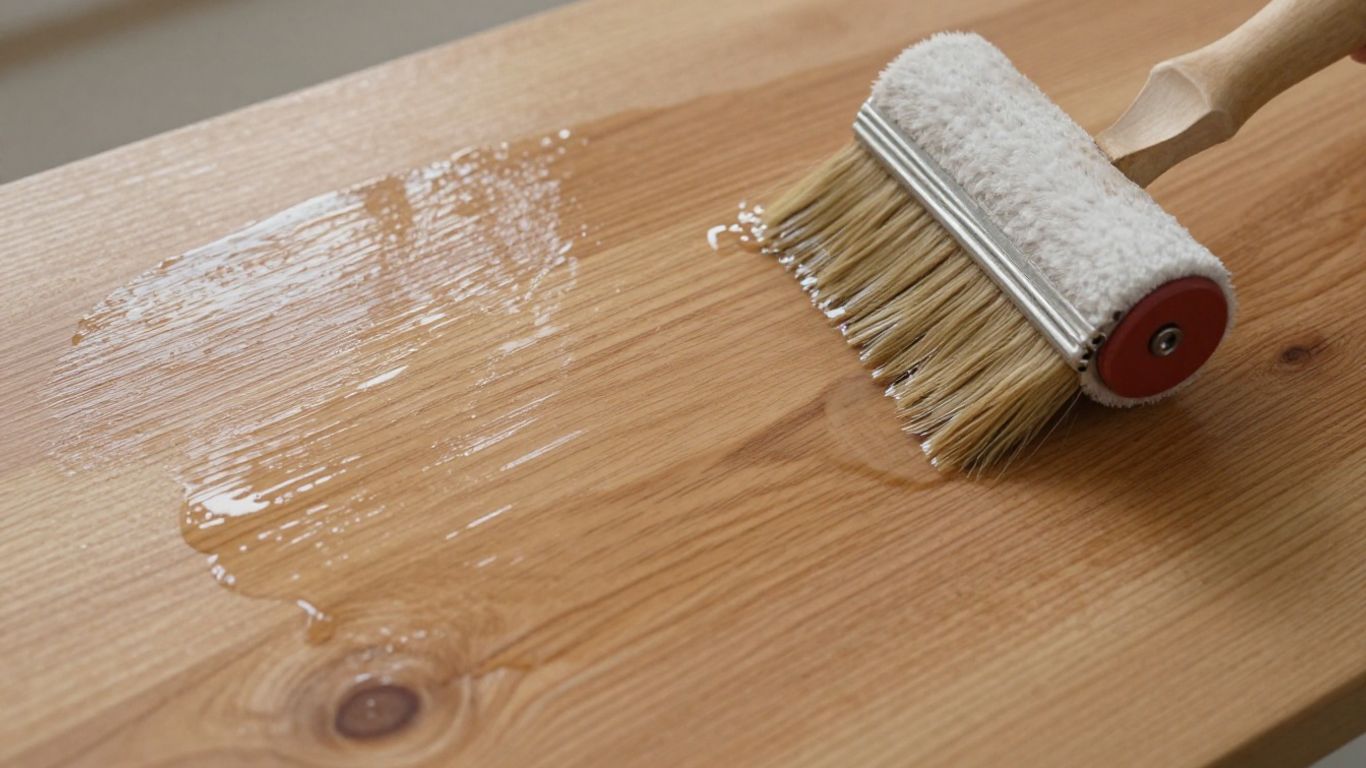
When it comes to putting on water-based coatings, you've got a few options. Most pros use a high-quality microfiber roller or a T-bar applicator. These tools help you lay down a thin, even coat, which is exactly what you want. Spraying with an HVLP (High Volume Low Pressure) system is also an option, but it takes more setup and skill to get right. Whichever method you choose, make sure your tools are clean. Any gunk in your roller or brush can end up in the finish. It's also important to work in a temperature-controlled environment, ideally between 65-75°F with humidity around 40-60%.
Achieving a Flawless Finish
To get that smooth, professional look, you'll want to apply thin, even coats. Don't try to lay it on too thick, thinking you'll save time. That usually leads to drips and an uneven finish. Most water-based finishes can be recoated in just 2-3 hours. Between coats, a light sanding with 220-grit sandpaper can help knock down any little imperfections and improve adhesion for the next layer. For the final coat, skip the sanding. This will give you the smoothest possible surface. Remember, patience is a virtue here; rushing the process rarely pays off.
Here's a quick rundown of typical recoat times:
| Product Type | Recoat Time (Hours) | Light Traffic (Hours) | Full Cure (Days) |
|---|---|---|---|
| Water-Based Finishes | 2-3 | 24 | 7 |
Proper application is just as important as the quality of the finish itself. Taking the time to prepare the surface and apply thin, even coats will make a huge difference in the final look and how long the finish lasts.
Maintenance and Care
Routine Cleaning for Finished Floors
Keeping your water-based finished floors looking their best is pretty straightforward. Regular sweeping or vacuuming with a soft brush attachment is your first line of defense against grit and dust that can scratch the finish over time. For a deeper clean, use a pH-neutral wood floor cleaner specifically designed for finished floors. A good option is LOBA Parkett Soap R2U; it's ready to go right out of the bottle, so no mixing is needed, and it won't leave any sticky residue behind. Just damp mop the floor – don't soak it – and let it air dry. Avoid using harsh chemicals, abrasive cleaners, or steam mops, as these can damage the protective coating.
Long-Term Protection Strategies
To really make your floors last, think about a few extra steps. Placing doormats at all entrances, both inside and out, helps trap dirt and moisture before it gets tracked onto your floors. Use felt pads on the bottom of furniture legs to prevent scratches when things get moved around. For high-traffic areas or if you notice the finish starting to wear down after several years, consider a maintenance coat. Products like LOBA Nature Oil Care can help refresh and protect oiled finishes, while for water-based finishes, a light screening and re-coat with a compatible topcoat can restore the protective layer. It’s all about consistent care to keep that beautiful finish looking new for years to come. For any questions about the best maintenance products for your specific finish, don't hesitate to reach out to the experts at Bailey Flooring Supplies; they can help you choose the right products for your needs.
Professional Support and Guidance
Expert Product Selection Assistance
Choosing the right water-based finish can feel like a puzzle sometimes, especially with all the options out there. That's where we come in. We know that picking the perfect product is the first step to a job well done. Whether you're working on a high-traffic commercial space or a cozy residential living room, we can help you figure out what's best. We look at things like the type of wood you're using, how much foot traffic the floor gets, and what kind of look you're going for – matte, satin, or something else. Our goal is to make sure you get a finish that not only looks great but also stands up to daily wear and tear.
Application Support for Tradesmen
We get it; sometimes you just need a quick tip or a refresher on the best way to apply a specific product. We're here to offer that support. From surface prep advice to the best tools for the job, we can share insights that help you achieve that smooth, professional finish every time. We understand that time is money on the job site, so we focus on practical advice that speeds up your process without sacrificing quality. If you're wondering about recoat times or how to handle tricky spots, just ask.
Calculating Material Needs
Running out of finish mid-project is a headache nobody needs. On the flip side, buying way too much isn't great for the budget either. We can help you nail down exactly how much product you'll need for your specific job. Just give us the square footage of the area you're finishing, and we'll help you calculate the right amount of primer, finish, and any other supplies. This way, you can order with confidence and keep your project moving smoothly. For example, a gallon of LOBA EasyPrime typically covers around 400-500 square feet per coat, but this can vary based on the wood's porosity and how you apply it. Get expert advice on your specific needs.
Product Compatibility and System Guidance
Sometimes you've got questions about how different products work together. Maybe you're wondering if a specific primer is compatible with your chosen topcoat, or if you can use a certain cleaner on a particular finish. We've got the answers. We can guide you on building a complete finishing system, from the primer to the topcoat and even maintenance products, ensuring everything works together harmoniously for the best possible outcome. This helps avoid issues down the line and ensures the longevity of your finished floors.
Need help with your flooring project? We offer expert advice and support to guide you every step of the way. Visit our website today for personalized assistance and to explore our wide range of products.
Wrapping It Up
So, we've talked a lot about these water-based finishes. They're not just some new fad; they're really changing how we do things on the job. You get a tough finish that holds up, but without all the harsh smells and fumes you used to deal with. Plus, cleanup is way easier, which is always a win. It means we can get floors done faster and get out of the customer's hair quicker. Honestly, for most jobs these days, they just make sense. They're good for the air, good for the wood, and good for getting the job done right. It’s a solid choice for anyone looking to put a good coat on hardwood.
Frequently Asked Questions
What makes water-based wood coatings better for the environment?
Water-based finishes are a greener choice because they use water as the main ingredient instead of harsh chemicals. This means they release fewer harmful fumes into the air, which is better for the planet and for the people using them. Cleanup is also easier, often just needing soap and water.
How long do water-based finishes usually take to dry?
One of the biggest perks of water-based coatings is how fast they dry. You can often put on a second coat in just 2 to 3 hours. This speeds up your project a lot compared to older types of finishes that can take many hours or even a full day to dry between coats.
Are water-based finishes as tough as older types?
Yes, they really are! Modern water-based finishes are made with advanced technology that makes them super durable. They can stand up to scratches, spills, and heavy foot traffic just as well as, or even better than, the finishes used in the past.
What's the difference between 1K and 2K water-based systems?
Think of '1K' as a ready-to-use product, like paint from a can. '2K' means it's a two-part system where you mix a hardener with the finish right before you use it. This '2K' system usually makes the finish even stronger and more long-lasting, perfect for really tough jobs.
Can I use a water-based finish on any type of wood?
Generally, yes! Water-based finishes work great on most common woods like oak, maple, and pine. It's always a good idea to check the product details or ask for advice to make sure it's the perfect match for your specific wood type and project.
How do I clean and care for wood floors finished with water-based coatings?
Taking care of your finished floors is simple. Regular sweeping or vacuuming is key. For cleaning, use a damp mop with a pH-neutral cleaner made for wood floors. Avoid harsh chemicals or too much water, as this can damage the finish over time.

0 comments