

So, you're wondering about the cost of floor sanders, huh? It's a pretty common question if you're thinking about refinishing your own floors or if you're a contractor looking to add to your toolkit. The truth is, there's no single answer because how much does a floor sander cost really depends on a bunch of things. We'll break down what goes into the price tag, from the type of sander to whether you buy new or used.
Key Takeaways
- The price of a floor sander can vary a lot, from a few hundred dollars for basic models to several thousand for professional equipment.
- Factors like the type of sander (drum, edger, orbital), brand, new vs. used condition, and included features significantly impact the cost.
- Don't forget to budget for accessories like sanding belts, discs, and dust bags, as these are ongoing expenses.
- Renting a floor sander is an option for short-term projects, with costs typically ranging from daily to weekly rates.
- Consider the total cost of ownership, including maintenance, repairs, and the lifespan of the equipment, when making a purchase decision.
Understanding Floor Sander Costs
When you're looking at refinishing a hardwood floor, whether it's a small room or a whole house, the cost of the equipment you use is a big part of the budget. It's not just about the sander itself; there are a bunch of things that can change the price tag. Thinking about these factors upfront can save you a lot of headaches and money down the road.
Factors Influencing Sander Prices
The price of a floor sander can swing quite a bit. You've got everything from basic models that might get you through a small project to heavy-duty machines that pros use every day. The type of sander is a major factor, of course. Drum sanders, which are powerful and good for taking off a lot of material, usually cost more than smaller orbital sanders. Then there's the brand name. Some brands are known for being super reliable and have a higher price tag to match. You're often paying for that reputation and the quality that comes with it. The condition of the sander also plays a role – a brand-new machine will always cost more than one that's been used.
New vs. Used Sander Investments
Buying new means you get the latest features, a full warranty, and the peace of mind that no one else has put it through its paces. It's a solid investment if you plan on doing a lot of sanding. On the other hand, buying used can save you a significant chunk of cash. You might find a great deal on a professional-grade sander that someone else is selling after a big job. However, with used equipment, there's always a risk. You don't always know its history, and there might be hidden wear and tear. It's a good idea to inspect used sanders carefully or buy from a reputable dealer who might offer some kind of guarantee.
Rental vs. Purchase Decisions
This is a big one for most people. If you're only planning to sand your floors once or twice, renting a sander is probably the most cost-effective option. Rental shops have a variety of sanders, and you can get a good quality machine for a daily or weekly fee. This avoids the upfront cost and the hassle of storing the equipment later. However, if you're a professional contractor or you have multiple flooring projects lined up, buying your own sander makes more financial sense in the long run. You'll have the tool whenever you need it, and you won't be paying rental fees repeatedly. It's all about how often you'll be using the equipment.
Types of Floor Sanders and Their Costs
When you're looking at floor sanders, the price tag can jump around quite a bit depending on what kind of machine you're dealing with. It's not just about brute power; the design and intended use play a huge role in how much you'll shell out.
Drum Sander Price Points
Drum sanders are the heavy hitters, the ones you see on big refinishing jobs. They're built to take off a lot of material, fast. Because of that, they tend to be the most expensive type of sander you'll rent or buy. For a new, professional-grade drum sander, you're easily looking at prices ranging from $1,500 to $3,000 or even more. These machines are robust, designed for daily, heavy-duty use, and can handle everything from old, uneven floors to new installations needing a perfect finish. Renting one is a more common option for DIYers, and you can expect to pay anywhere from $75 to $150 per day, plus the cost of sandpaper.
Edger Sander Cost Considerations
Edger sanders are the specialists. They're smaller, designed to get into the tight spots and edges that a big drum sander can't reach. Think of them as the detail workhorses. Because they're less complex and smaller than drum sanders, they're generally more affordable. New, a good quality edger might cost you between $500 and $1,000. Renting an edger is also more budget-friendly than a drum sander, typically running $40 to $75 per day. You'll still need to factor in the cost of edger discs, which wear out.
Orbital and Multi-Disc Sander Pricing
Orbital and multi-disc sanders are often used for lighter-duty work, like screening and recoating, or for very delicate sanding jobs. They tend to be less aggressive than drum sanders. Their price point reflects this. You can find decent new orbital sanders for anywhere from $300 to $800. Multi-disc machines, which use several smaller discs, can sometimes creep higher in price, especially if they're designed for very fine finishes. Rental rates for these are usually lower too, often in the $50 to $100 per day range. These are great for maintenance jobs or when you need a super smooth finish without removing a lot of material.
When choosing, remember that the type of sander directly impacts its cost. A drum sander is for the heavy lifting, an edger for the details, and an orbital for lighter tasks. Your project needs will dictate which machine, and therefore which price range, is right for you. For a quick clean and recoat, an orbital might be all you need. For a full refinish, you'll likely need both a drum and an edger. Consider the total cost, including sandpaper and any potential rental insurance, when making your decision.
The Price of Professional-Grade Sanders
High-End Sander Brands and Their Value
When you're looking at professional-grade sanders, you're stepping into a different league than what you'd find at a big box store for a weekend DIY project. These machines are built for the long haul, designed to handle the daily grind of commercial work. Brands like Mirka and Bona are known for their robust engineering and reliable performance. While the initial cost might seem steep, think about the value they bring. A high-end sander often means fewer breakdowns, less downtime, and a more consistent finish, which translates directly to happier clients and more profitable jobs. For instance, a Mirka Deros sander, while an investment, is built with durability in mind, featuring high-quality components that stand up to heavy use. This isn't just about having a tool; it's about having a reliable partner on the job site.
Features That Drive Up Sander Costs
Several factors contribute to the higher price tag on professional sanders. First off, the motor power and efficiency are usually top-notch. More powerful motors mean they can handle tougher jobs and maintain consistent speed under load, which is critical for a smooth finish. Then there's the build quality – think solid metal housings, high-grade bearings, and dust-sealed switches. These aren't cheap plastic parts. Advanced features also play a role. Sanders with variable speed control, built-in dust extraction systems that actually work well, and ergonomic designs that reduce user fatigue command higher prices. For example, sanders with sophisticated dust collection, like the Mirka Deros 650XCV, are designed to keep the air cleaner and the workpiece visible, which adds to the cost but significantly improves the working environment and finish quality. The precision of the sanding action, whether it's a fine-tuned orbital pattern or a powerful drum action, also reflects in the price.
Investment in Durability and Performance
Buying a professional-grade sander is really about investing in durability and performance. These tools are expected to last for years, even decades, with proper care. They are engineered to deliver a superior finish consistently, job after job. This means they often use higher quality materials and more precise manufacturing processes. For example, a professional drum sander might cost several thousand dollars, but its ability to remove material quickly and evenly, combined with its robust construction, makes it a worthwhile investment for a flooring contractor. You're paying for the peace of mind that comes with knowing your equipment won't fail you in the middle of a critical project. It's about reducing the total cost of ownership over time, as fewer repairs and replacements are needed. When you consider the time saved and the quality of the finished floor, the higher upfront cost often pays for itself. For those looking for top-tier finishes, consider exploring options like the Loba Hybrid 1 Gal water-based wood floor finish, known for its professional application and reliable results on hardwood floors.
Cost of Sander Accessories and Consumables
Sanding Belts and Discs Pricing
When you're sanding floors, the abrasive materials are what actually do the work. Think of them as the blades on a saw – they wear out and need replacing. The cost here can add up pretty quickly, depending on the type of sander you're using and the condition of the floor.
For drum sanders, you'll be buying sanding belts. These usually come in packs and the price can range from $30 to $70 for a box of 10, depending on the grit and brand. For example, Bona Green 8" Belts in 36 grit might cost around $50 for a pack. Edger sanders and orbital sanders use sanding discs. These can vary a lot in price. A box of 50 Zirconia Sanding Discs (5" / 60g) might run you about $40. High-performance abrasives, like Mirka Abranet Grip Sanding Discs, can cost more upfront, maybe $60-$80 for 50 discs, but they often last much longer, which can save you money in the long run. The key is to match the abrasive to the job and the wood.
| Sander Type | Common Abrasive | Typical Price Range (per unit/box) |
|---|---|---|
| Drum Sander | Sanding Belts | $30 - $70 (per 10-pack) |
| Edger/Orbital Sander | Sanding Discs | $40 - $80 (per 50-pack) |
Dust Bags and Collection Systems
Nobody likes dealing with dust, and a good dust collection system is pretty important for both your health and the quality of the finish. The cost here can be a one-time investment for a more robust system or an ongoing expense for disposable bags.
Disposable dust bags for drum sanders can cost anywhere from $10 to $30 each, depending on the size and brand. For example, a "Large Sander Bag" might be around $15. Edger bags are usually a bit cheaper, maybe $5-$10. If you're using a sander with a built-in vacuum system, you might still need to empty a collection bin or replace filters. The cost of these filters can range from $20 to $50. Investing in a good dust collection system, like a dedicated dust extractor, is a bigger upfront cost, but it can save you a lot on bags and filters over time, not to mention the health benefits.
Applicator Tools and Maintenance Supplies
Beyond the actual sanding, you'll need tools to apply finishes and other supplies to keep everything running smoothly. This includes things like rollers, brushes, and cleaning solutions.
Applicator tools can range from simple rollers and brushes to more specialized equipment. For instance, a good quality applicator for water-based finishes, like the Applicator 35 (20 oz capacity), might cost around $50-$70. For larger jobs, you might look at something like the Applicator 90 (1-gallon capacity), which could be in the $100-$150 range. You'll also need maintenance supplies. This could include cleaning solutions for your equipment, rags, and maybe even replacement pads for certain sanders. For example, a "Felt Edger Pad" might cost about $5-$10. Keeping these items stocked is part of the overall cost of getting a floor finished properly. It's worth noting that using the right applicator can make a big difference in the final look of the floor, so don't skimp here. You can find great options for applying finishes, like the Bona Pro Series Hardwood Floor Care System 18" for around $37.06.
The cost of accessories and consumables is often overlooked when budgeting for a floor sanding project. However, these items are critical for both the efficiency of the sanding process and the quality of the final finish. Planning for these ongoing expenses is just as important as the initial cost of the sander itself.
Budgeting for Sander Maintenance and Repair
Keeping your floor sander in top shape isn't just about making sure it runs; it's about saving money in the long run. Think of it like taking care of your truck – regular oil changes and tire rotations mean fewer breakdowns and a longer life for the vehicle. The same goes for your sanding equipment. Ignoring small issues can turn into big, expensive problems down the road.
Routine Maintenance Expenses
Routine maintenance is your first line of defense against costly repairs. It's the stuff you should be doing after every job, or at least regularly. This includes things like cleaning out the dust collection system, checking for loose belts or cords, and making sure all the moving parts are free of debris. It might seem tedious, but it makes a huge difference.
- Dust Bag Cleaning/Replacement: A clogged dust bag makes the sander work harder and can even cause overheating. Regularly empty and clean your dust bags. If they're torn or worn out, replace them. You can find replacements like these dust bags for edger sanders.
- Brush and Roller Cleaning: For sanders that use brushes or rollers, keeping them clean is key. Dried finish or debris can cause uneven sanding or damage the surface.
- Lubrication: Some sanders have specific points that need occasional lubrication. Check your manual to see if this applies to your machine and use the recommended type of lubricant.
- Visual Inspection: Just give the whole machine a once-over. Look for any cracked plastic, loose screws, or frayed wires. Catching these early can prevent bigger issues.
Common Repair Costs
Even with the best maintenance, things can break. Motors can burn out, bearings can seize, and handles can snap. The cost of these repairs can really add up. A simple bearing replacement might be a couple of hundred dollars, while a motor replacement could easily run into the thousands, depending on the sander's size and power. It’s why investing in quality equipment from the start, like a durable drum sander, often pays off.
Here's a rough idea of what some common repairs might cost:
| Repair Item | Estimated Cost Range |
|---|---|
| Motor Replacement | $500 - $2,500+ |
| Bearing Replacement | $150 - $400 |
| Belt Replacement | $50 - $150 |
| Handle/Housing Repair | $100 - $300 |
| Electrical Component | $75 - $250 |
Keep in mind these are just estimates, and actual costs can vary based on the brand, model, and labor rates in your area. Sometimes, the cost of a major repair can get close to the price of a new, less expensive machine, which brings us to the next point.
Longevity and Cost-Effectiveness
When you're looking at the cost of maintenance and potential repairs, it's important to think about the lifespan of your equipment. A cheap sander might seem like a good deal upfront, but if it breaks down every year or needs constant, expensive repairs, it ends up costing you more in the long run. Investing in a well-built, professional-grade sander, even if it's more expensive initially, often proves more cost-effective over time. These machines are built with tougher parts and are designed to be serviced. You might spend more on maintenance for a high-quality unit, but you'll likely get many more years of reliable service out of it compared to a budget model. It’s about the total cost of ownership, not just the sticker price. For example, a robust orbital sander might require fewer repairs over its lifespan than a less durable alternative, making it a smarter financial choice for frequent use.
Proper maintenance isn't just about fixing things when they break; it's about preventing them from breaking in the first place. A little bit of time spent cleaning and inspecting your equipment can save you a lot of headaches and money down the line. It’s the difference between a smooth job and a costly disaster.
Sander Costs for Different Project Scales
When you're figuring out how much a floor sander will set you back, the size and scope of your project play a pretty big role. It's not a one-size-fits-all kind of deal, you know? What works for a small bedroom might not cut it for a whole house, and a commercial job site has its own set of needs.
Residential Floor Refinishing Budgets
For most folks just looking to spruce up their own place, the costs can vary a lot. If you're just doing one room, maybe a living room or a couple of bedrooms, you might be able to get by with a smaller, less powerful sander, or even just renting one for a weekend. Renting a drum sander and an edger for a few days could run you anywhere from $100 to $300, depending on where you are and the specific machines. Add in sandpaper, maybe some filler, and a finish, and you're probably looking at a few hundred dollars total for a small to medium-sized home.
- Small Room (e.g., 150 sq ft): Budget around $150-$250 for rental and consumables.
- Medium Home (e.g., 1000 sq ft): Expect costs to be in the $300-$600 range, potentially including a purchase of a more basic orbital sander if you plan on doing more projects.
- Large Home (e.g., 2000+ sq ft): Costs can easily climb to $500-$1000+, especially if you're buying equipment or need multiple types of sanders.
For residential projects, it's often a balance between the upfront cost of buying equipment and the ongoing cost of rentals. Think about how many projects you might tackle in the next few years. If it's just one or two, renting is usually the way to go. If you see yourself doing this more often, investing in your own gear starts to make more sense.
Commercial Job Site Sander Expenses
Now, if you're a contractor dealing with commercial spaces – think restaurants, offices, or retail stores – the game changes. These jobs are usually bigger, the traffic is way higher, and you need equipment that can handle the abuse day in and day out. This means you're probably looking at more robust, professional-grade sanders. Buying a good quality drum sander can easily cost $1,000 to $3,000 or more. Add in an edger ($300-$700), maybe a buffer or multi-disc sander ($500-$1500), and all the associated supplies, and your equipment budget can jump significantly. Renting for commercial jobs is also an option, but the daily or weekly rates for heavy-duty machines will be higher, and you'll need to factor in potential insurance costs.
| Equipment Type | Estimated Purchase Cost | Estimated Rental Cost (Daily) | Notes |
|---|---|---|---|
| Drum Sander | $1,000 - $3,000+ | $75 - $150 | Heavy-duty, for main floor areas |
| Edger Sander | $300 - $700 | $40 - $80 | For edges and tight spots |
| Orbital/Multi-Disc | $500 - $1,500+ | $50 - $100 | For finer finishes, less aggressive |
| Buffer/Polisher | $400 - $1,000+ | $40 - $90 | For applying finishes, buffing |
DIY vs. Professional Contractor Costs
The difference in cost between a DIYer and a professional contractor often comes down to the quality and type of equipment. A DIYer might opt for a rental or a lower-cost consumer-grade sander to save money on a one-off project. They're focused on getting the job done without a huge investment. A professional contractor, on the other hand, needs reliable, high-performance equipment that can withstand daily use and deliver consistent results. They're investing in tools that will be used for hundreds or thousands of jobs over their lifespan. This means they're more likely to buy professional-grade machines, which have a higher upfront cost but offer better durability, efficiency, and a lower cost per job over time. Plus, contractors often have access to bulk pricing on consumables like sandpaper and finishes, which can further reduce their overall project expenses compared to a DIYer buying retail.
- DIY Focus: Cost minimization, often through rentals or entry-level purchases.
- Contractor Focus: Investment in durability, performance, and efficiency for long-term profitability.
- Consumables: Contractors often get better pricing due to volume purchasing.
When you're looking at the total cost, remember to factor in not just the sander itself, but also the sandpaper, any necessary fillers or repair materials, and the finishing products. For a truly professional finish, consider using high-quality water-based finishes like those offered by Bailey Flooring Supplies, which are designed for durability and a clean look. You can find a range of options, including the Bona Pro Series Hardwood Floor Care System, which is suitable for both residential and commercial applications.
Exploring Sander Rental Costs
Daily and Weekly Rental Rates
When you're looking at a floor sanding project, especially if it's a one-off job, renting a sander can seem like the most sensible option. It cuts down on the upfront cost of buying equipment. Rental places usually offer sanders by the day or by the week. Daily rates are good for quick jobs, maybe a single room or a small area. Weekly rates are better if you've got a larger project that will take more than a couple of days but you don't want to commit to buying.
Prices can really vary depending on the type of sander you need. A basic orbital sander might be $30-$50 a day, while a big drum sander, which is a beast for heavy-duty work, could run you $70-$100 or more per day. Edger sanders, used for getting into corners and along walls, are usually a bit cheaper, maybe $40-$60 a day. Always ask about any discounts for longer rental periods; sometimes they'll knock a bit off the weekly rate.
Insurance and Damage Waivers
When you rent equipment, the rental company will almost always offer you some kind of insurance or damage waiver. This is something you really need to think about. If you damage the sander while it's in your care – maybe you drop it, or it gets jammed and breaks – you could be on the hook for some serious repair costs. The waiver usually costs a small percentage of the rental fee, maybe 10-15%, and it can save you a lot of money if something goes wrong. It's often worth the extra cost for peace of mind.
Think about it: a drum sander is a powerful piece of machinery. If it gets damaged, repairs can easily run into hundreds, if not thousands, of dollars. A damage waiver protects you from that. Just make sure you read the fine print to know exactly what's covered and what isn't. Some waivers might not cover damage from misuse, so you still need to operate the equipment carefully.
When Renting Makes Financial Sense
Renting a floor sander makes the most sense when your project is infrequent or short-term. If you're a homeowner planning to refinish your own floors just once, or a contractor who only needs a specific type of sander for a niche job, renting saves you from the large capital investment of buying. It also means you don't have to worry about storage, maintenance, or eventual depreciation of the equipment. For smaller jobs, the rental cost is usually much less than buying a new or even a used sander. Plus, you get access to professional-grade tools that might otherwise be out of reach. It's a practical way to tackle a project without the long-term commitment of ownership, especially when you consider the cost of sanding belts and discs pricing that you'll need regardless of whether you rent or buy.
Here's a quick breakdown of when renting usually wins:
- One-time or infrequent use: You need a sander for a single room or a project you won't repeat often.
- Budget constraints: You want to avoid the high upfront cost of purchasing equipment.
- Testing the waters: You're unsure about taking on floor refinishing as a regular service and want to try it out.
- Specific tool needs: You require a specialized sander for a particular task that you don't own.
Renting can also be a good way to try out different types of sanders before you decide to invest in your own. You might find you prefer one model over another for certain tasks, and renting lets you experiment without commitment.
Evaluating Sander Value Over Time
Return on Investment for Quality Sanders
When you're looking at the price tag on a professional-grade floor sander, it's easy to get sticker shock. But think about it this way: this isn't just a tool; it's an investment in your business. A well-built sander, one that's made with good materials and designed to last, is going to pay for itself over time. You'll get more jobs done, and you'll do them better, which means happier clients and more repeat business. Cheaper tools might seem like a good deal upfront, but if they break down constantly or don't give you the finish quality clients expect, you'll end up spending more on repairs and lost work.
Depreciation of Sanding Equipment
Like any piece of equipment, sanders lose value over time. This is called depreciation. A brand-new drum sander isn't going to be worth as much a year or two down the line, especially if it's seen a lot of use. However, the rate at which it depreciates depends a lot on the brand and how well you take care of it. High-quality machines from reputable manufacturers tend to hold their value better than generic or lower-end models. Keeping up with maintenance and making sure your sander is always in good working order can also help slow down depreciation.
Long-Term Cost of Ownership
To really figure out the value of a sander, you need to look beyond the initial purchase price. The long-term cost of ownership includes everything: the purchase price, maintenance, repairs, consumables like sandpaper, and even the cost of electricity or fuel it uses. A more expensive sander that's reliable and efficient might actually cost you less in the long run than a cheaper one that breaks down often and needs frequent part replacements. It’s about total cost, not just the sticker price. For example, a durable sander that requires fewer repairs and uses less sandpaper over its lifespan will be more cost-effective. Consider looking into water-based finishes for your projects, as they often lead to faster project completion and reduced VOCs, contributing to overall efficiency and cost savings. Learn more about water-based finishes.
Here's a quick look at what contributes to the total cost:
- Initial Purchase Price: The upfront cost of the sander.
- Maintenance: Regular cleaning, lubrication, and part checks.
- Consumables: Sandpaper, dust bags, and other wear-and-tear items.
- Repairs: Costs associated with fixing breakdowns or replacing worn parts.
- Operational Costs: Electricity or fuel consumption.
When evaluating a sander's value, think about its lifespan and how many projects it can handle. A tool that lasts longer and performs consistently will always be a better investment, even if it costs more initially. It's about getting the most out of your equipment over the years.
Financing and Payment Options for Sanders
Leasing vs. Buying Equipment
When you're looking at the cost of a floor sander, especially a professional-grade one, the price tag can be pretty steep. This is where financing options come into play. You've got a couple of main routes: buying outright or leasing. Buying means the equipment is yours, plain and simple. You own it, you can modify it, and you don't have any ongoing payments after it's paid off. However, the upfront cost can be a real hurdle, especially for smaller operations or if you're just starting out. On the flip side, leasing allows you to use the equipment for a set period, often with lower monthly payments than you'd have if you were buying. This can be great for managing cash flow and for businesses that need to upgrade their tools frequently to stay competitive. The downside is you never actually own the equipment, and lease agreements can sometimes have hidden clauses or mileage restrictions, so you've got to read the fine print carefully.
Financing Through Suppliers
Many equipment suppliers, like Bailey Flooring Supplies, offer their own financing programs. This can be a really convenient way to get the sander you need without a massive upfront payment. They often have different plans to fit various budgets, sometimes with special introductory offers or lower interest rates for established customers. Working with the supplier directly can also streamline the process, as they understand the equipment and your needs. It's worth asking about these options when you're making your purchase. They might have plans that allow for recurring orders or deferred payments, which can make a big difference in your budget.
Impact of Payment Terms on Total Cost
No matter how you finance your sander, the payment terms will significantly affect the total cost. A longer payment term might mean lower monthly payments, but you'll likely end up paying more in interest over the life of the loan. Shorter terms mean higher monthly payments, but you'll save money on interest in the long run. It's a balancing act between what your business can afford monthly and the overall cost of the equipment. Always ask for the total cost of financing, including all interest and fees, before you sign anything. Understanding these terms helps you make a smart financial decision that won't burden your business down the road. For example, a simple hardwood floor care kit might seem small, but even with these items, understanding payment terms is key for larger equipment purchases.
Associated Costs Beyond the Sander Itself
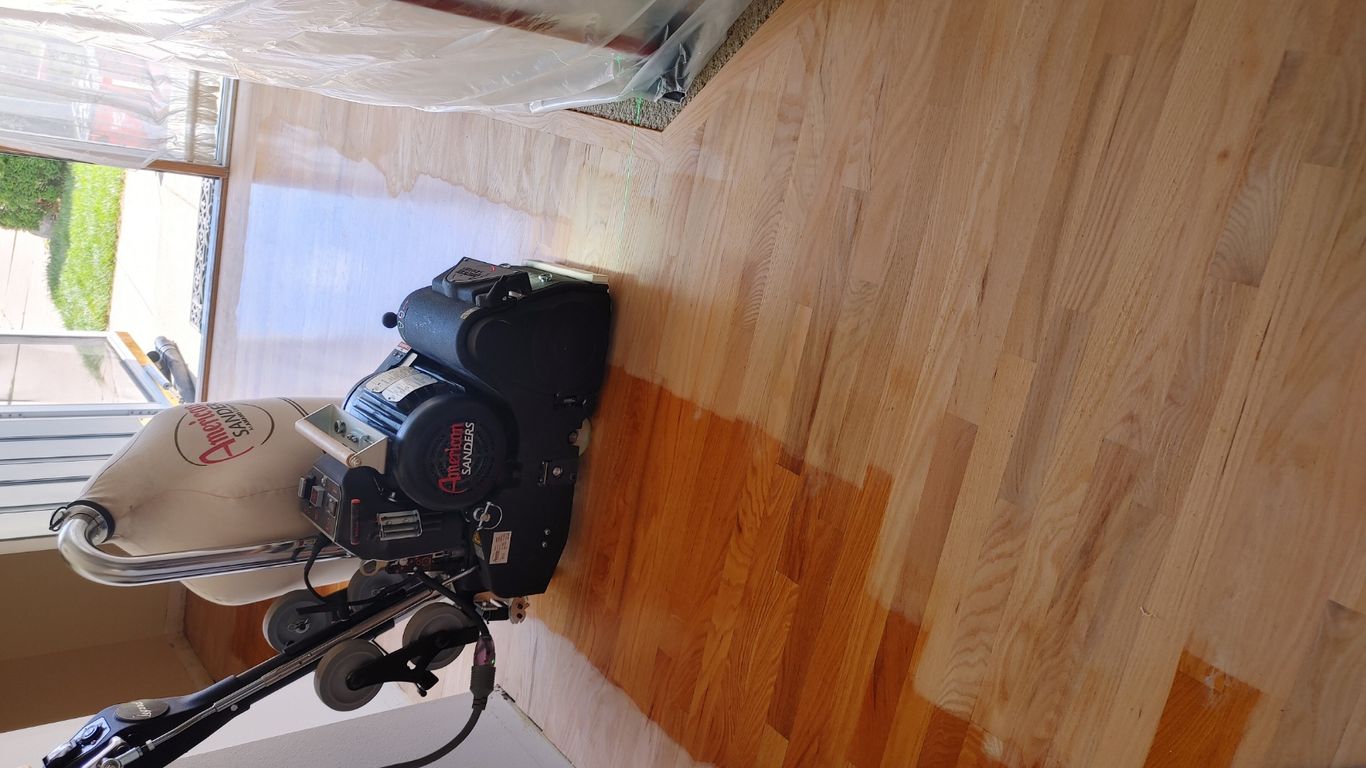
When you're budgeting for a floor sanding project, it's easy to get tunnel vision on the sander itself. But a good floor job involves more than just the machine. You've got to think about all the other stuff that goes into making it happen, from keeping the dust down to protecting yourself. Skipping these can lead to a mess, a failed finish, or even an injury. Let's break down what else you need to factor in.
Dust Containment System Expenses
Dust is the enemy of a good finish. A decent dust collection system on the sander is a start, but for a really clean job, especially indoors, you need more. Think about containment. This could mean anything from heavy-duty plastic sheeting and tape to seal off rooms, to more advanced dust extractors that hook up to your sander. These systems can range from a couple of hundred dollars for basic setups to well over a thousand for professional-grade extractors that really suck up the fine particles. It's a trade-off: spend more upfront on dust control, or spend more time cleaning and risk a dusty finish.
Protective Gear and Safety Equipment
Working with powerful machinery and fine dust means you absolutely need to protect yourself. This isn't optional. You'll need a good respirator mask – not just a flimsy dust mask – to keep those fine wood particles out of your lungs. Safety glasses are a must to protect your eyes from flying debris. Hearing protection is also key, as sanders are loud and can cause long-term hearing damage. Gloves will help with grip and protect your hands. Budget around $50 to $150 for a solid set of personal protective equipment (PPE). It's a small price to pay for your health and safety.
Transportation and Storage Costs
Floor sanders, especially the big drum sanders, are heavy and bulky. You need to figure out how you're going to get them to and from the job site. If you own a truck or a van, great. If not, you might need to rent one, or factor in the cost of delivery if the rental place offers it. Then there's storage. Where are you going to keep the sander when it's not in use? If you don't have a dedicated space, you might need to rent a small storage unit or make arrangements. For smaller jobs, you might be able to fit it in a car, but it's still something to consider. Don't forget about moving equipment like dollies or hand trucks if you'll be hauling it yourself. These little things add up and can impact your overall project budget.
Don't forget that getting your floors ready for sanding involves more than just the sander itself. You'll also need things like dust collection bags to keep your workspace clean and protective gear to stay safe. Plus, after sanding, you'll need finishing supplies to make your floors look amazing. For a complete list of everything you need, check out our website!
Wrapping Up: What's the Bottom Line on Floor Sander Costs?
So, we've gone over the different types of sanders and what they can run you. It's not a small purchase, that's for sure. Whether you're looking at a basic drum sander for a weekend project or a high-end orbital for daily use, the price tag is real. Renting might seem cheaper upfront, but if you've got a lot of square footage or plan on doing this more than once, buying your own gear makes sense in the long run. Think about the quality of the machine, how often you'll use it, and what kind of finish you're aiming for. It's an investment, no doubt about it, but getting the right tool for the job means better results and less hassle down the road. Don't skimp on the accessories either; good sandpaper and dust bags make a world of difference.
Frequently Asked Questions
How much does it cost to rent a floor sander?
Renting a floor sander usually costs between $40 and $100 per day, depending on the type and where you rent it. Weekly rental rates can be around $200 to $400.
Is it better to buy or rent a floor sander for a home project?
If you only need a sander for one project, renting is usually cheaper. Buying makes sense if you plan to use it many times or have a lot of floors to refinish.
How much does a new floor sander cost?
A new floor sander can cost anywhere from $500 for a small orbital sander to over $6,000 for a heavy-duty drum sander used by professionals.
Are used floor sanders a good deal?
Used floor sanders can save you money, but always check their condition first. Make sure the motor runs well and parts are not worn out. Sometimes, repair costs can add up quickly.
What extra items do I need to use a floor sander?
You'll need sanding belts or discs, dust bags, and possibly a dust collection system. You might also want ear protection, a face mask, and gloves for safety.
How much do sanding belts and discs cost?
Sanding belts and discs can cost between $2 and $10 each, depending on size and grit. For a whole house, you might need several, so the total can add up.
Do floor sanders need a lot of maintenance?
Floor sanders need regular cleaning and sometimes new belts or pads. If you use them often, you may need to replace parts like switches or motors over time.
Can I use a floor sander on any type of wood floor?
Most floor sanders work on common hardwoods like oak or maple. For softer woods or engineered floors, check the sander's instructions or ask an expert to avoid damage.

0 comments