

So, you've got wood floors, huh? They look great, but keeping them that way can feel like a puzzle. There's a lot to think about when it comes to protecting them, making them look good, and just generally taking care of them. This guide is all about wood floor coating – what it is, why it matters, and how to get it right. Whether you're thinking about doing it yourself or hiring someone, we'll break down the options so you can make a good choice for your floors.
Key Takeaways
- Choosing the right wood floor coating depends on how much foot traffic your floors get and the look you want. Think about durability needs and desired aesthetics like sheen and color.
- Proper surface preparation is super important for any wood floor coating to last. This includes cleaning and sanding the floor correctly before you start applying anything.
- Water-based coatings are popular now because they dry fast, have less smell, and are better for the environment. They come in different types, like 1K and 2K formulas.
- Oil-based finishes have a traditional look and can bring out the wood's natural color, but they take longer to dry and can have a strong smell.
- Regular cleaning with the right products and protecting floors from scratches and wear are key to making your wood floor coating last a long time.
Understanding Wood Floor Coating Systems
The Evolution of Wood Floor Finishes
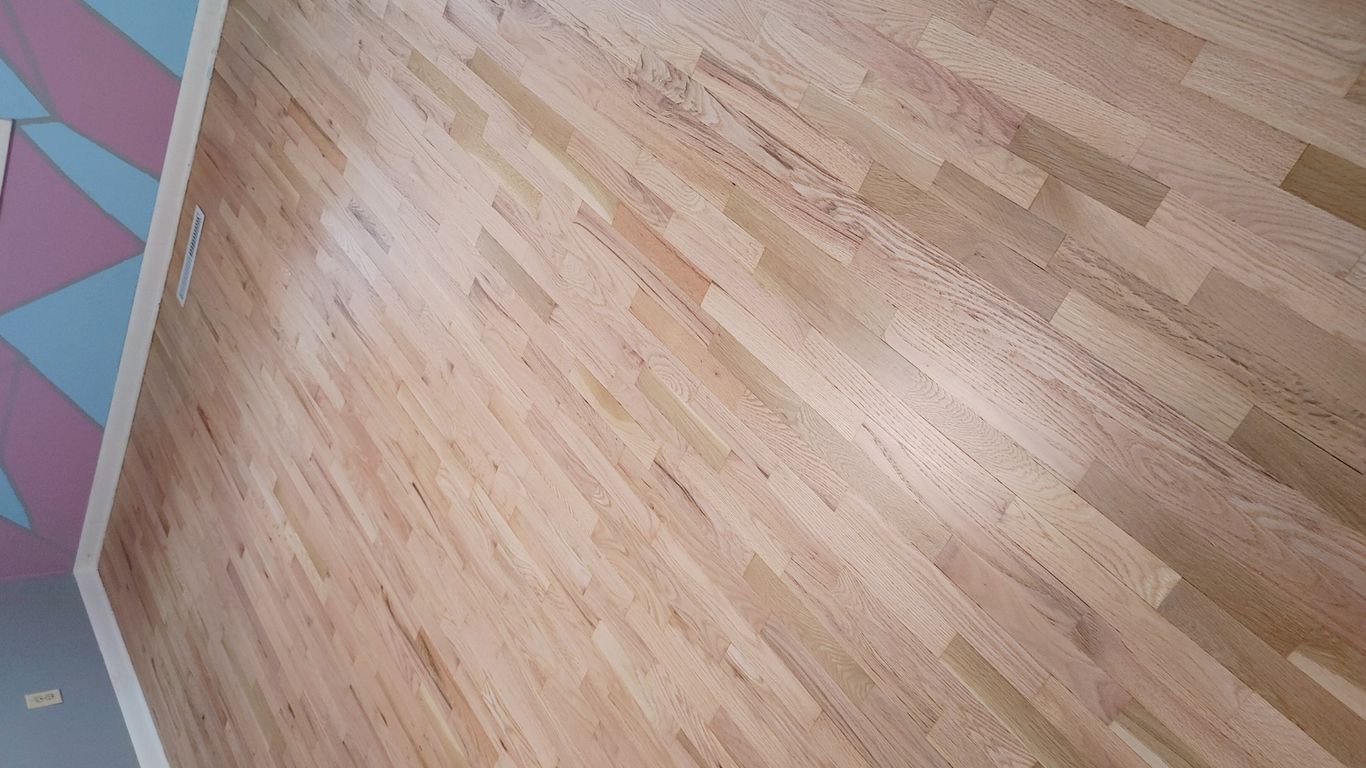
Wood floor finishes have come a long way. Back in the day, it was mostly about oil-based varnishes and lacquers. These gave a nice look, sure, but they took forever to dry and smelled pretty strong. Plus, they tended to yellow over time, changing the original color of the wood. Then came the water-based finishes, which were a big step up. Initially, they didn't have the same durability as the oil-based ones, but technology has really pushed them forward. Modern water-based coatings are tough, dry fast, and don't have that harsh smell. They've become a go-to for a lot of pros because they let you get jobs done quicker and with fewer headaches.
Water-Based vs. Oil-Based Coatings: A Professional Comparison
When you're looking at finishes, the main split is between water-based and oil-based. Oil-based finishes are known for their deep penetration and a warm, amber tone that many people like, especially on certain wood types. They're generally pretty durable, but they have some downsides. The biggest ones are the long drying times – we're talking 8-24 hours between coats – and the strong odor from the solvents. This means longer project times and needing good ventilation. Cleanup is also a pain, usually requiring mineral spirits.
Water-based finishes, on the other hand, have changed the game. They dry much faster, often allowing recoats in just 2-3 hours. This speeds up jobs significantly. They also have a much lower odor and fewer Volatile Organic Compounds (VOCs), making them a healthier choice for both the applicator and the people living in the house. Cleanup is simple with just soap and water. While older water-based finishes might not have matched the durability of oil-based ones, today's professional-grade water-based polyurethanes, especially two-component (2K) systems, offer excellent scratch and chemical resistance. They also dry crystal clear, preserving the natural color of the wood without yellowing.
Here's a quick rundown:
| Feature | Water-Based (Modern Pro Grade) | Oil-Based (Traditional) |
|---|---|---|
| Drying Time | Fast (2-3 hr recoat) | Slow (8-24 hr recoat) |
| Odor/VOCs | Low | High |
| Cleanup | Water | Mineral Spirits |
| Color | Clear, non-yellowing | Amber tone, yellows |
| Durability | Excellent (especially 2K) | Excellent |
| Application | Easier, less streaking | Can be more forgiving |
Key Performance Indicators for Wood Floor Coatings
When you're picking out a coating, you need to think about what really matters for the floor's performance. It's not just about how it looks when it's first applied. We look at a few key things:
- Durability: This is probably the most important. How well does it stand up to scratches, scuffs, and general wear and tear? For high-traffic areas, you need something that won't break down quickly. Two-component (2K) water-based finishes are really strong here.
- Chemical Resistance: Can it handle spills from common household cleaners, pet accidents, or even things like nail polish remover without damage? Good chemical resistance means the finish lasts longer and is easier to clean.
- Clarity and Color Stability: Does the finish stay clear over time, or does it yellow and change the wood's color? Most people want the finish to preserve the wood's natural look, not alter it significantly. Water-based finishes usually excel at this.
- Application Ease and Drying Time: How easy is it to apply without streaks or lap marks? How fast does it dry? Faster drying means you can get more coats on in a day and let people back into the space sooner, which is a big deal for job efficiency.
- VOC Content: This relates to the health and environmental impact. Lower VOCs mean less smell and better air quality during and after application. This is becoming more and more important for contractors and homeowners alike.
Selecting the Right Wood Floor Coating
Picking the right finish for a wood floor job can feel like a big decision. It's not just about making the floor look good right now; it's about how it's going to hold up over time, especially with daily life happening on it. You've got to think about who's going to be walking on it, how much traffic it'll see, and what kind of look you're going for. It’s a balancing act, for sure.
Assessing Traffic and Durability Needs
This is probably the most important part. A floor in a busy entryway or a commercial space needs something way tougher than a bedroom floor that barely gets walked on. You don't want to be doing touch-ups every few months. For high-traffic areas, you're looking at finishes that can really take a beating. Think about things like pets, kids, and furniture being moved around. These all add up.
- Residential (Low Traffic): Bedrooms, formal living rooms. Standard finishes usually do fine here.
- Residential (High Traffic): Hallways, kitchens, family rooms, areas with pets or kids. You'll want a more durable, often two-component (2K) finish.
- Commercial: Stores, offices, public buildings. These need the absolute toughest, most chemical-resistant finishes available.
The right durability means fewer callbacks and happier clients.
Achieving Desired Aesthetics: Sheen and Color
Once you've got the durability sorted, you can think about how you want the floor to look. Sheen levels are a big part of this. You've got everything from a super-glossy look to a completely matte finish that almost looks like raw wood.
- Gloss: Reflects a lot of light, can show imperfections more easily. Looks very shiny.
- Semi-Gloss: A good middle ground, offers some shine without being overpowering.
- Satin: A softer luster, very popular for a natural look. Hides minor wear well.
- Matte/Flat: Minimal shine, preserves the natural look of the wood. This is what a lot of people are going for these days, especially with lighter woods like white oak.
Color is another thing. Some finishes add a slight amber tone, which can warm up the wood. Others are designed to be completely clear, keeping the wood's natural color exactly as it is. If you're staining, the topcoat needs to work with that color and not change it.
Considering Environmental Factors and VOCs
We've got to be mindful of what we're putting into the air, both for ourselves and for the people who will be living or working in the space. Volatile Organic Compounds (VOCs) are chemicals that can be released into the air from finishes. Higher VOCs mean stronger smells and can be a bigger concern for air quality, especially in enclosed spaces or for people with sensitivities.
Water-based finishes generally have much lower VOCs and less odor compared to traditional oil-based finishes. This means faster re-occupancy of the space and a more comfortable working environment. It's a big reason why a lot of pros are switching.
When choosing a coating, always check the product's VOC content and drying times. These factors directly impact project scheduling, site safety, and the overall user experience after the job is done. It's not just about the finish itself, but how it fits into the whole project timeline and environment.
Professional Application Techniques
Getting the finish right on a wood floor isn't just about the product you pick; it's really about how you put it on. Even the best coating can look terrible if it's applied wrong. So, let's talk about the steps that make a difference.
Surface Preparation: The Foundation of a Lasting Finish
This is probably the most important part, and honestly, it's where a lot of people cut corners. You can't just slap a finish over a dirty or uneven floor and expect it to look good or last. Proper prep work is non-negotiable for a professional result.
- Deep Cleaning: You need to get rid of everything that isn't bare wood. This means dust, old finishes, wax, grease, anything. A good vacuum is a start, but often you'll need to use a specific cleaner or degreaser, depending on what's on the floor.
- Sanding: This isn't just about making it smooth. You need to sand in stages, using progressively finer grits. This removes scratches from the previous grit and creates a uniform surface. For most finishes, you'll want to end with a grit around 120-150. If you're going for a really high-end look, some pros even go higher.
- Final Dust Removal: After sanding, the floor is covered in fine dust. You have to get this off. Vacuuming is step one, but then you need to tack it off. A good tack cloth or a slightly damp (not wet!) microfiber mop works well. You want the floor to be spotless before that first coat goes down.
Skipping any of these steps means you're setting yourself up for problems later, like poor adhesion or a finish that just doesn't look right.
Proper Mixing and Application of Two-Component Systems
Many of the best modern finishes are "two-component" or 2K. This means you mix two parts together right before you use them. It sounds simple, but you have to get it right.
- Follow Instructions Exactly: Each product has a specific mix ratio (like 10 parts A to 1 part B). Measure carefully. Too much or too little of the second component can mess up the drying, hardness, and overall performance of the finish.
- Mix Thoroughly: Don't just stir it a little. You need to mix it well to make sure both parts are fully combined. Use a mixing stick and scrape the sides and bottom of the container. Some guys use a mechanical mixer on a drill, but be careful not to whip too much air into it.
- Pot Life: Once you mix it, there's a "pot life" – the time you have before the mixture starts to harden in the can. This varies a lot by product, so know your product's pot life and only mix what you can use within that time. It's better to mix a little less and make a second batch than to waste a whole mixed can because it hardened up.
Achieving a Uniform Finish: Rollers, T-Bars, and Sprayers
How you actually spread the finish matters a lot for how it looks. You want smooth, even coats with no lap marks or puddles.
- Rollers: For water-based finishes, a good quality microfiber roller is often the go-to. Use a "medium nap" roller, usually around 3/8 inch. Apply the finish in a consistent pattern, like "W" strokes, and then backroll lightly to even it out. Don't press too hard, and try to maintain a wet edge so you don't get lines where one section starts to dry before you get to it.
- T-Bar Applicators: These are great for getting a very thin, even coat, especially with water-based finishes. They spread the product out smoothly. You still need to work with a wet edge and maintain a consistent speed. Some pros prefer these for their control.
- Sprayers: High-volume, low-pressure (HVLP) sprayers can give a really smooth finish, but they require more setup and skill. You need to be careful about overspray and ventilation. They're often used for gym floors or when you need a super-fine finish, but they're not always the best choice for a typical residential job unless you're experienced.
| Application Tool | Best For |
|---|---|
| Microfiber Roller | General use, good for most water-based finishes |
| T-Bar Applicator | Thin, even coats, water-based finishes |
| HVLP Sprayer | Smooth finish, large areas, requires skill |
No matter what tool you use, the key is consistent speed, even pressure, and working with a wet edge to avoid visible lines between coats. Practice makes perfect here.
Water-Based Wood Floor Coating Deep Dive
The Advantages of Modern Water-Based Polyurethanes
Water-based finishes have really come a long way. Years ago, they didn't have the reputation for toughness that oil-based finishes did. But today? Things are different. Modern water-based polyurethanes, especially the two-component (2K) systems, offer serious durability. They hold up great against scratches, chemicals, and everyday wear and tear, making them a solid choice for busy homes with kids or pets. Plus, they dry clear and don't yellow over time like some oil-based finishes can, which is a big plus if you're going for a natural wood look or lighter colors.
- Low VOCs and Odor: This is a huge benefit for job sites and for the people living in the house. You can get back into the space much faster without that lingering chemical smell.
- Fast Drying Times: This means you can often recoat in just a few hours. Think about how much that speeds up a project. You can get more done in less time, which is good for everyone.
- Crystal Clear Finish: They don't add that amber tone that oil-based finishes often do. This keeps the wood's natural color true, which is great for lighter woods or if you're using a light stain.
- Easy Cleanup: Cleanup is usually just soap and water, which is way easier than dealing with mineral spirits.
The real game-changer with these modern water-based finishes is the performance. They're not just easier to work with; they're built to last, offering protection that stands up to real-world use. For contractors, this means fewer callbacks and happier clients.
Understanding 1K and 2K Water-Based Formulations
When you're looking at water-based finishes, you'll see terms like 1K and 2K. It's pretty straightforward once you know what they mean.
- 1K (One-Component): These are ready to go right out of the can. You just open it, mix it, and apply it. They're generally easier to use and have a longer shelf life once opened. However, they typically aren't as durable as 2K systems. They're often best for lower-traffic areas or DIY projects where extreme durability isn't the top priority.
- 2K (Two-Component): These finishes come in two parts: the base and a catalyst or hardener. You have to mix them together in a specific ratio right before you use them. This mixing process is critical for achieving the full performance of the finish. Once mixed, there's a limited pot life – meaning you need to use it within a certain timeframe before it starts to cure in the can. The big advantage here is significantly increased durability, chemical resistance, and overall toughness. These are the go-to for high-traffic residential and commercial jobs.
Key Differences:
| Feature | 1K Water-Based | 2K Water-Based |
|---|---|---|
| Components | One (ready to use) | Two (base + catalyst/hardener, must be mixed) |
| Durability | Good, suitable for moderate traffic | Excellent, superior resistance for high traffic |
| Pot Life | N/A (long shelf life) | Limited (hours, depending on product and temp) |
| Application | Simpler, no mixing required | Requires precise mixing, careful pot life management |
| Best For | Low-traffic areas, DIY projects | High-traffic residential, commercial, demanding jobs |
Fast Drying and Recoat Times: Maximizing Efficiency
One of the biggest selling points for water-based finishes is how fast they dry. This isn't just about getting the job done quicker; it has real benefits for project management and client satisfaction.
- Reduced Downtime: With recoat times often as short as 2-4 hours (depending on temperature and humidity), you can apply multiple coats in a single day. This is a massive time saver compared to oil-based finishes that might require 12-24 hours between coats.
- Faster Project Completion: Finishing a floor in one or two days instead of three or four makes a big difference. It means less disruption for the homeowner and allows you to move on to the next job sooner.
- Less Dust Contamination: Shorter drying times mean less opportunity for dust to settle on the wet finish between coats. A quick buff and vacuum between coats is usually all that's needed.
Typical Drying and Recoat Schedule (Example):
| Stage | Timeframe (Approx.) | Notes |
|---|---|---|
| Apply Coat 1 | - | Thin, even coats are key. |
| Dry to touch | 1-2 hours | Surface is dry, but not ready for recoat. |
| Recoat | 2-4 hours | Lightly abrade if needed, remove dust. |
| Apply Coat 2 | - | |
| Recoat | 2-4 hours | |
| Apply Coat 3 | - | |
| Light Traffic | 24 hours | Be careful, floor is not fully cured. |
| Full Cure | 7-14 days | Avoid heavy furniture, rugs, and cleaning. |
Always check the specific product's technical data sheet for exact times, as these can vary based on the formulation and environmental conditions. But the general principle holds: water-based finishes offer a significant speed advantage.
Oil-Based Wood Floor Coating Considerations
The Traditional Appeal of Oil-Based Finishes
Oil-based finishes have been around for a long time in the wood flooring world. They give wood a warm, amber tone that many people really like. It’s a classic look that works well with a lot of different home styles. When you put an oil-based finish on, it soaks into the wood a bit, which can make the grain pop and give it a richer color. This is different from water-based finishes that mostly sit on top of the wood.
Penetration and Color Enhancement
One of the main things oil-based finishes do is penetrate the wood. This means they don't just form a layer on the surface; they actually soak in a little. This deep penetration helps to bring out the natural beauty of the wood grain. It can make the wood look richer and deeper in color. This is especially true for woods like oak, where the grain is very prominent. The amber tone that develops over time is a signature characteristic of oil-based finishes, giving floors a warm, inviting feel that many homeowners associate with quality and tradition. It’s a look that’s hard to replicate with other types of finishes.
Drying Times and Odor Management
Now, oil-based finishes do take their sweet time to dry. We’re talking about a good 8 to 24 hours before you can even think about putting on another coat. And then, it takes even longer for the floor to fully harden up, sometimes weeks. This means your floors will be off-limits for a while, which can be a real pain if you need to get a job done quickly. Plus, they have a strong smell. That solvent odor can linger for days, so you need to make sure the area is well-ventilated. It’s not ideal for homes where people are living or for projects with tight deadlines. You really have to plan around the drying and the smell.
Specialty Wood Floor Coatings and Primers
The Role of Primers in Adhesion and Color Stabilization
Primers are like the unsung heroes of wood floor finishing. You might not see them once the topcoat is on, but they play a big part in how well everything holds up. Think of it as laying a solid foundation before building a house. A good primer helps the finish stick better to the wood, which means fewer chances of peeling or flaking down the road. This is especially true for tricky wood types or when you're trying to achieve a specific look.
Primers also help with color. Some woods can change color over time, or they might have natural variations that show through the finish. A primer can act as a barrier, keeping the wood's natural color stable or providing a uniform base for stains and topcoats. This means you get the color you intended, and it stays that way. For example, LOBA Amber Prime is designed to give a warm, consistent base, which is great if you're going for a certain look or working with woods that tend to go a bit wild with color.
Key Primer Functions
- Improves Adhesion: Creates a better bond between the wood and the topcoat.
- Stabilizes Color: Prevents unwanted color changes in the wood.
- Uniformity: Provides a consistent base for stains and finishes.
- Seals Wood: Can help seal the wood surface, reducing the amount of topcoat needed.
Invisible Finishes: Preserving Natural Wood Appearance
Sometimes, you just want the wood to look like wood, but better protected. That's where "invisible" finishes come in. These aren't actually invisible, but they're designed to add very little sheen or color change. The goal is to let the natural grain and tone of the wood shine through without making it look like it's covered in plastic. It’s a popular choice for modern interiors or when you’ve got a really beautiful piece of wood you don’t want to alter too much.
These finishes are usually water-based and come in ultra-matte or low-sheen options. They offer good protection against wear and tear, spills, and everyday traffic, but they do it subtly. You get the durability you need without that heavy, glossy look that can sometimes feel dated. It’s all about keeping that raw, natural feel of the wood while still making it last. Products like LOBA 2K Invisible Protect A.T. are made for this, giving you that protected-but-natural look.
Hardwax Oils: A Natural Alternative
Hardwax oils are another option if you're looking for something a bit different from standard polyurethanes. They're made from natural oils and waxes, like linseed oil and carnauba wax. The idea is that they penetrate the wood, coloring and protecting it from within, rather than forming a thick layer on top. This gives the floor a very natural, matte look and feel, and it’s often described as feeling more like the wood itself.
One of the nice things about hardwax oils is that they're usually pretty easy to repair. If you get a scratch or a worn spot, you can often just reapply a bit of oil to that area without having to refinish the whole floor. They’re also generally low in VOCs, which is good for air quality. However, they typically require more frequent maintenance than a good polyurethane finish. You might need to reapply a maintenance oil, like LOBA Nature Oil Care, every so often to keep it looking its best. It’s a trade-off between a super-natural look and feel versus lower maintenance.
Hardwax Oil Characteristics
- Natural Appearance: Preserves the wood's natural look and feel.
- Penetrating Protection: Oils and waxes soak into the wood.
- Repairability: Easier to spot-repair than film finishes.
- Maintenance: Requires more frequent upkeep.
- Low VOCs: Generally better for indoor air quality.
Ensuring Longevity with Proper Maintenance
Daily and Weekly Cleaning Protocols
Keeping your wood floors looking good long-term really comes down to a few simple habits. You don't need fancy equipment or a whole afternoon. Just a quick sweep or vacuum a few times a week makes a big difference. This gets rid of the grit and dust that can scratch up the finish over time. Think of it like brushing your teeth – a little bit every day keeps problems away. For a more thorough clean, especially if you've got spills or muddy footprints, a damp mop is your best friend. Just make sure the mop isn't soaking wet; you want it barely damp. Wring it out really well. This prevents excess water from sitting on the wood, which is a big no-no.
- Sweep or vacuum: At least 2-3 times a week, or more if you have pets or kids.
- Damp mop: Once a week, or as needed for spills and dirt.
- Address spills immediately: Don't let liquids sit on the floor.
Recommended Cleaning Products for Coated Floors
When it comes to cleaning products, it's easy to get overwhelmed by all the options. But for coated wood floors, keeping it simple is usually best. You want something that cleans effectively without stripping away the finish or leaving a dull residue. Many pros trust specific wood floor cleaners that are pH-balanced and designed for this exact purpose. For example, LOBA Parkett Soap R2U is a solid choice. It's ready to go right out of the bottle, so no guessing if you mixed it right. It cleans up dirt and grime without messing with the protective layer on your floor. Avoid anything with ammonia, bleach, or harsh solvents – those can really damage the coating over time. Always check the product label to make sure it's safe for coated wood floors.
Using the wrong cleaner can undo all the hard work you put into applying a quality finish. Stick to products specifically made for wood floors to keep them looking their best.
Protecting Against Wear and Tear
Beyond just cleaning, there are a few other things you can do to protect your investment. Furniture is a big one. Those little felt pads you can stick on the bottom of chair legs and table feet? They're cheap and they work wonders. They stop scratches and dents from happening when furniture gets moved around. For rugs, make sure they have a good quality backing that won't trap moisture or cause discoloration. Also, think about high-traffic areas. If you have a spot where everyone walks constantly, consider a runner or a small rug. It's a simple way to reduce wear in those specific zones. And don't forget about pet nails – keeping them trimmed can prevent a lot of little scratches. It’s all about being a bit proactive to keep your floors looking great for years to come. If you're looking for top-notch cleaning supplies, Bailey Flooring Supplies has a good selection of professional-grade products. Check out their cleaners to keep your floors in top shape.
Troubleshooting Common Coating Issues
Even with the best preparation and application, sometimes things don't go exactly as planned when finishing hardwood floors. Don't sweat it; most common issues can be fixed with a little know-how. Here’s a rundown of what you might run into and how to sort it out.
Addressing Streaking and Uneven Application
Streaks or an uneven finish are usually a sign that the coating wasn't applied uniformly or that the applicator was allowed to dry out. This can happen if you're working too slowly, the temperature is too high, or you're using the wrong kind of applicator.
- Check your applicator: Make sure you're using a high-quality microfiber roller or T-bar designed for water-based finishes. A worn-out or inappropriate tool will cause problems.
- Maintain a wet edge: Always overlap your passes slightly and keep a wet edge to blend the coats smoothly. Don't let the coating dry too much between passes.
- Proper thinning (if applicable): Some products might require slight thinning, but always follow the manufacturer's instructions precisely. Over-thinning can lead to issues.
- Environmental control: Ensure the room temperature and humidity are within the recommended range. Extreme conditions can cause the finish to dry too quickly or too slowly, leading to unevenness.
If you notice streaking after the coat has dried, you might be able to lightly screen the area with a fine grit (220 or higher) and apply another thin, even coat. For more severe issues, a full recoat after proper preparation might be necessary.
Resolving Adhesion Problems
Adhesion issues, like peeling or delamination, are almost always a preparation problem. This means something prevented the finish from bonding properly to the layer below it.
- Inadequate surface prep: The most common culprit. Dust, grease, wax, or old finishes left on the surface will prevent good adhesion.
- Contamination between coats: If dust or debris isn't removed thoroughly between coats, it can create a weak layer.
- Incompatible products: Using a primer or finish that isn't compatible with the existing coating or wood type can cause failure.
- Moisture issues: Applying finish to a damp floor or having moisture problems in the subfloor can lead to adhesion failure down the line.
Fixing adhesion problems usually means removing the failed coating entirely, down to the bare wood or a stable layer, and starting over with meticulous preparation. Always follow the manufacturer's recommended surface prep steps and product compatibility guidelines.
Managing Scratches and Wear Patterns
Over time, even the best finishes can show wear, especially in high-traffic areas. Scratches and dull spots are common complaints.
- Daily cleaning: Regular sweeping or vacuuming with a soft brush attachment removes grit that can scratch the finish.
- Furniture pads: Always use felt pads on furniture legs. Check and replace them regularly as they can wear down or collect grit.
- Area rugs: Use rugs in high-traffic zones like entryways and hallways to significantly reduce wear.
- Prompt spill cleanup: Wipe up spills immediately to prevent them from damaging the finish.
Minor scratches can sometimes be buffed out or touched up with specific repair products, depending on the finish type. For deeper scratches or widespread wear, a recoat might be needed. For water-based finishes, a light screening and one or two new coats can often restore the floor's appearance and protection. For oil-based finishes, a maintenance coat of the same product might be sufficient for light wear.
The Professional's Choice in Wood Floor Coatings
Why Contractors Trust Premium Brands
When you're on a job, time is money, and callbacks are a nightmare. That's why seasoned pros don't mess around with just any finish. They reach for brands that have proven themselves on countless floors, day in and day out. We're talking about finishes that lay down smooth, dry predictably, and stand up to real life – kids, pets, dropped keys, you name it. These aren't the finishes you find at the big box stores; these are the workhorses developed with input from guys like us, who know what it takes to get a floor looking great and staying that way. It's about reliability and performance you can count on, project after project. For us, that means looking at products that offer consistent results, even when conditions aren't perfect. It’s about having a finish that works with you, not against you.
Evaluating Product Performance and Reliability
So, what makes a finish a pro's choice? It boils down to a few key things. First, durability. We need something that can handle heavy foot traffic without scratching or dulling too quickly. Modern water-based polyurethanes, especially the two-component (2K) systems, are really leading the pack here. They offer incredible abrasion resistance and chemical protection that oil-based finishes just can't match anymore, especially when you want a clear, non-yellowing look. Then there's application. A good professional finish should level out nicely, minimizing streaks and lap marks. Fast recoat times are also a huge plus, letting us get jobs done faster and move on to the next. We look for finishes that have a good open time, meaning we can spread it evenly without it setting up too fast, but not so long that it takes forever to dry. It’s a balance, and the top brands get it right.
Here’s a quick look at what we consider:
- Durability: Resistance to scratches, scuffs, and chemicals.
- Application: How smoothly it lays down, leveling properties, and ease of use.
- Drying/Recoat Times: Predictable schedules that allow for efficient project completion.
- Clarity/Color: Maintaining the natural wood tone or providing a stable base for stains.
- VOCs/Odor: Lower is always better for job site conditions and homeowner comfort.
The Importance of Technical Support and Product Knowledge
Beyond the can itself, the support behind a product matters. When you're using a premium finish, you want to know that the company stands behind it. This means having access to technical support when you run into a tricky situation or have a question about application. Good manufacturers offer resources, training, and knowledgeable staff who understand hardwood flooring. They’re not just selling a product; they’re providing a solution. For example, knowing the right primer to use, like LOBA Amber Prime, can make all the difference in adhesion and color stability. It’s this combination of a solid product and reliable support that builds trust and makes a brand a go-to choice for professionals. We rely on Bailey Flooring Supplies for these kinds of trusted brands and the knowledge that comes with them.
When you need the best for your wood floors, professionals trust our top-notch coatings. We offer solutions that make your floors look amazing and last for years. Ready to give your floors the treatment they deserve? Visit our website today to explore our selection and find the perfect finish!
Wrapping It Up
So, we've gone over the basics of coating your wood floors. It's not rocket science, but you do need to pay attention to the details. Picking the right finish is key, whether you're going for that super natural look or something with a bit more sheen. And don't forget about keeping things clean – a little regular sweeping and the right cleaner go a long way. Get it right from the start, and you'll have floors that look good and last for years. It's really about putting in the effort upfront to save yourself headaches down the road. Good luck out there.
Frequently Asked Questions
What's the main difference between water-based and oil-based wood floor coatings?
Think of it like paint for your floors! Water-based coatings dry super fast, don't smell much, and are easy to clean up with water. Oil-based ones take longer to dry, have a stronger smell, and need special cleaners. Water-based finishes are usually clearer and don't turn yellow over time, while oil-based ones give a warmer, amber look.
How do I pick the best coating for my floor?
It depends on how much action your floor sees! If lots of people walk on it, you'll need a tougher coating. Also, think about the look you want – shiny, dull, or somewhere in between? And consider if you need something eco-friendly with fewer fumes.
Is it hard to put on wood floor coating?
It can be tricky! The floor needs to be perfectly clean and smooth before you start. Applying the coating evenly is key to avoid streaks. Professionals often use special tools and techniques to get a smooth, perfect finish.
Why are water-based coatings becoming so popular?
They're quicker to dry, which means you can use your floor again sooner. Plus, they have less odor and fewer harmful chemicals (VOCs), making them better for your home's air. Modern water-based finishes are also really strong and last a long time.
What does 'sheen' mean when talking about floor coatings?
Sheen is just how shiny the finish is. You can get a super shiny 'gloss' finish, a moderate 'semi-gloss,' a softer 'satin,' or a very dull 'matte' look. The sheen affects how the light reflects and the overall style of your room.
How often should I clean my coated wood floors?
You should sweep or vacuum them regularly, like you would any floor. For deeper cleaning, use a special wood floor cleaner recommended by the coating manufacturer. Avoid harsh chemicals or too much water, as they can damage the finish.
What are 'invisible finishes'?
These coatings are designed to protect the wood without changing its natural color or adding a lot of shine. They keep the wood looking as raw and natural as possible, which is great for modern or minimalist styles.
Can I fix scratches or wear on my coated floor?
Minor scratches can sometimes be buffed out or touched up with specific repair products. For deeper damage, you might need to reapply a coat of finish or, in severe cases, sand and refinish the area. Regular maintenance helps prevent these issues.

0 comments