

If you’ve ever tried to finish a hardwood floor or a piece of furniture, you know how confusing it can get when picking the right topcoat. Water based polyurethane has become the go-to for a lot of folks, both pros and DIYers. It dries fast, doesn’t smell up the house, and keeps wood looking natural. But there’s a lot more to it than just grabbing a can off the shelf. Whether you’re after a high-traffic floor finish or just want something easy to clean, this guide breaks it all down in plain English. Let’s get into what makes water based polyurethane such a solid choice, and how to use it without headaches.
Key Takeaways
- Water based polyurethane dries quickly and is low-odor, making it practical for busy homes and job sites.
- It keeps wood looking natural and doesn’t yellow over time like oil-based finishes often do.
- There are different types—like 1K and 2K systems—and picking the right one depends on how much traffic your floor gets.
- Proper prep is key: sanding, cleaning, and controlling temperature and humidity all matter for a good result.
- Brands like Loba offer a range of pro-grade water based polyurethane finishes with options for sheen, durability, and easy upkeep.
Understanding Water Based Polyurethane Finishes
The Science Behind Water Based Polyurethane
Water-based polyurethane finishes have really changed the game for hardwood floors. Unlike the old oil-based stuff that used solvents, these use water as the main carrier. When you apply it, the water evaporates, and the tiny plastic particles, called polymers, start to link up. This process, known as curing or cross-linking, creates a tough, protective layer on your wood. The chemistry behind it is pretty neat; it's all about how those polymer chains connect to form a solid film. This is why they dry so much faster and have less smell. It’s a more modern approach to wood finishing.
Key Advantages Over Oil-Based Alternatives
Let's be real, oil-based poly has been around forever, but water-based finishes bring some serious benefits to the table. First off, the smell. Oil-based finishes have that strong, lingering odor from solvents, which can make a jobsite pretty unpleasant and take days to dissipate. Water-based finishes, on the other hand, have a much milder odor and lower VOCs (volatile organic compounds). This means a healthier environment for you, your clients, and anyone else who might be in the space. Plus, cleanup is a breeze – just soap and water. No need for mineral spirits. This alone saves a ton of time and hassle on the job. The faster drying times are another huge plus, letting you get coats on and finished much quicker, which is a big deal when you're trying to turn a project around fast. You can often recoat in just a few hours. For a professional, this means getting paid and moving on to the next job sooner.
Identifying Professional-Grade Water Based Polyurethane
Not all water-based polyurethanes are created equal, and as pros, we need to know the difference. Professional-grade finishes are built for durability and performance. You'll often see them labeled as 1K (one-component) or 2K (two-component) systems. Two-component systems, which require mixing a catalyst with the base, generally offer superior hardness and chemical resistance, making them ideal for high-traffic areas. Look for finishes that specify high solids content, as this usually means a thicker, more protective film build. Brands trusted by contractors, like LOBA, often have specific product lines designed for professional use, offering better wear resistance and clarity that won't yellow over time. Check the technical data sheets; they'll tell you about things like abrasion resistance, chemical resistance, and VOC content. If a product seems too cheap or doesn't provide detailed specs, it's probably not what you want for a high-quality job. You want something that’s going to last and keep clients happy, minimizing callbacks. For example, products like the LOBA 2K Supra AT are built for serious durability.
Choosing the Right Water Based Polyurethane
Evaluating 1K vs. 2K Water Based Systems
When you're looking at water-based polyurethane finishes, you'll run into two main types: 1K and 2K systems. Think of 1K as a ready-to-go product, like a single-component paint. It's straightforward to use, which is great if you're new to this or just want a quick job. You just open the can and start applying. It's a good option for areas that don't see a ton of foot traffic, like bedrooms or formal living rooms.
On the other hand, 2K systems, or two-component systems, involve mixing two parts together before you can use them – usually the main finish and a hardener or catalyst. This mixing step is important because it creates a much tougher, more durable finish. These are the heavy-hitters, designed for places that get a lot of wear and tear, like entryways, kitchens, or commercial spaces. They offer superior resistance to scratches and chemicals. While they require a bit more attention to detail with the mixing, the payoff in terms of longevity and protection is significant. For professional jobs where durability is key, a 2K system like Loba 2K Supra AT is often the way to go.
Sheen Options and Their Impact
The sheen level of your polyurethane finish is more than just about looks; it affects how the floor wears and how it's maintained. You've got a few main choices:
- Matte/Ultra-Matte: This is the most natural look, almost like the wood is unfinished. It hides minor imperfections and scratches really well because it doesn't reflect light. It's popular for a modern, Scandinavian vibe. However, because it's less reflective, dirt and grime can sometimes be more visible on the surface if not cleaned regularly.
- Satin: This is a popular middle-ground option. It has a soft luster that adds a bit of depth to the wood without being too shiny. It offers a good balance between a natural look and a bit of protection. It's pretty forgiving when it comes to hiding wear and tear.
- Semi-Gloss: This sheen has a noticeable shine. It reflects more light, making the floor look brighter and potentially highlighting imperfections more. It's a bit more durable than satin in terms of surface wear, but scratches can be more apparent due to the reflectivity.
- Gloss/High-Gloss: This is the shiniest option, offering a mirror-like finish. It really makes the wood pop and can make a room feel larger. However, it shows everything – dust, scratches, scuffs, and even the slightest imperfections. It's also the most slippery. While it looks striking, it requires diligent cleaning and maintenance to keep it looking its best.
Choosing the right sheen depends on the look you're going for and how much maintenance you're willing to do. For a natural look that's easy to live with, satin or matte are usually solid choices.
Selecting Finishes for High-Traffic Areas
When you're finishing floors that see a lot of action – think hallways, kitchens, family rooms, or any commercial space – you need a finish that can take a beating. This is where you really want to look at the performance specs of the polyurethane. For these demanding areas, a two-component (2K) water-based system is generally the top recommendation. These systems are specifically engineered for superior abrasion resistance and chemical protection. They create a harder, more resilient surface that stands up better to daily wear, spills, and scuffs. Brands like Loba offer professional-grade 2K finishes that are trusted by contractors for their durability in high-traffic zones. You'll want to look for finishes that explicitly state they are suitable for commercial or high-traffic residential use. The number of coats also plays a role; typically, 3-4 coats are recommended for these areas compared to 2-3 for lighter traffic zones. Proper surface preparation is also non-negotiable here to ensure the finish bonds correctly and performs as expected. If you're unsure, reaching out for expert advice on product selection is always a smart move.
Surface Preparation for Optimal Adhesion
It doesn’t matter how advanced your water-based polyurethane is—if the prep’s off, the finish won’t stick, cure right, or last. Surface preparation is the backbone of every successful hardwood refinishing job. Let’s run through exactly what you need to get a pro-grade bond with Bailey Flooring Supplies’ water-based finishes, like Loba Easy Finish, Loba 2K Duo, or Hybrid.
Achieving the Correct Sanding Grit Progression
Sanding is more than just smoothing out scratches. Done right, each grit stage opens the wood grain for even absorption and reliable adhesion.
- Start with 36–60 grit for heavy old finish or deep scratches
- Progress to 80–100 grit to remove roughness
- Finish with 120–150 grit for that sweet spot—not too rough, not too slick
- Edges and corners: Use the same sequence, keep everything uniform
- Vacuum between each sanding stage to flush out dust hiding in the grain
Skipping grits or jumping ahead can leave swirl marks and cause adhesion failure with water-based finishes.
Thorough Dust Removal Techniques
Even a little dust ruins a finish. Here’s a routine that’s never let me down:
- Vacuum the entire floor—edges, corners, even baseboards. Use a brush attachment to agitate dust loose.
- Tack with a recommended water-damp microfiber pad or use company-recommended cleaning solutions—dry tack rags can leave residue or push dust around.
- Repeat just before you open the can of finish. The cleaner the floor, the smoother the result.
Consider this: Proper dust removal with every stage of prep reduces rough finishes, bubbling, and those ugly particles trapped in the clear coat.
Ensuring Proper Environmental Conditions
Water-based finishes are sensitive to their surroundings. Here’s what to check and control:
- Aim for 65–75°F temperature in the workspace
- Keep relative humidity between 40%–60%
- Avoid drafts—close windows and run a fan only if airflow is gentle and indirect
- Make sure the wood moisture content matches the living conditions (usually 6–9% for most U.S. homes)
| Condition | Recommended Range |
|---|---|
| Temperature | 65–75°F |
| Relative Humidity | 40%–60% |
| Wood Moisture Content | 6–9% |
Water-based finishes dry faster than oil-based—the sweet spot isn’t just about speed. You want slow, steady curing that lets the finish level out and hold tight. Don’t rush this stage. A few extra hours dialed into prep will save you days of fixing problems later.
Proper surface prep isn’t glamorous, but it’s what separates an OK job from a flawless one. Every Bailey Flooring Supplies water-based finish depends on it. Get the prep right, and the results will follow.
Application Techniques for Water Based Polyurethane
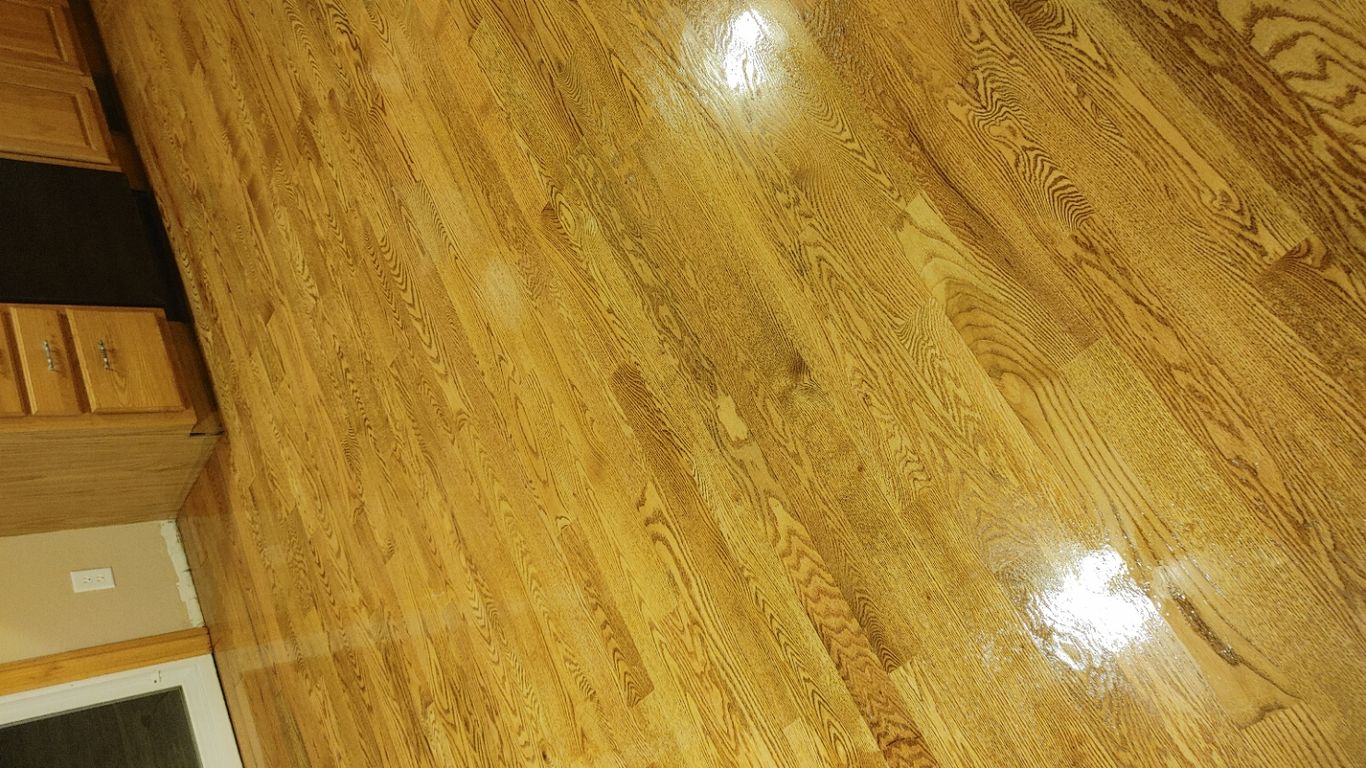
Getting the application right is key to a great-looking and long-lasting finish. Water-based polyurethanes have come a long way, and with the right approach, you can achieve results that rival traditional finishes, often with fewer headaches.
Choosing the Right Applicator Tools
Using the correct tools makes a huge difference. You don't want to be fighting your applicator while trying to lay down a smooth coat. For water-based finishes, microfiber rollers are generally the go-to. They hold a good amount of product and release it evenly, minimizing streaks. Look for rollers specifically designed for water-based finishes, often with a medium nap (around 3/8 inch).
- Microfiber Rollers: Excellent for large, flat areas. They provide a smooth, consistent finish.
- High-Quality Brushes: For edges, corners, and detailed work, a good synthetic brush is necessary. Avoid natural bristles, as they can react with water-based products.
- T-Bar Applicators: These can be very effective for laying down thin, even coats quickly, especially on larger floors. They help control the amount of product applied.
Applying Thin, Even Coats
This is probably the most important rule when working with water-based polyurethanes. Forget about trying to get full coverage in one go. Thin coats are the secret to a smooth, durable finish that dries properly. Thick coats can lead to bubbling, uneven drying, and a gummy texture that's hard to fix.
- Work in Sections: Don't try to do the whole floor at once. Break it down into manageable sections.
- Maintain a Wet Edge: Always work towards an un-finished area to blend your coats smoothly. This prevents lap marks.
- Consistent Pressure: Apply even pressure with your roller or applicator to ensure the film thickness is uniform across the surface.
Applying too much product is a common mistake. It's always better to apply multiple thin coats than one thick one. This allows each layer to cure properly and build up durability over time.
Understanding Recoat Windows and Drying Times
Water-based finishes dry much faster than their oil-based counterparts, which is a big plus for project turnaround. However, you still need to respect the recoat windows. Applying the next coat too soon can cause issues, while waiting too long might affect adhesion.
- Check the Manufacturer's Specs: Always refer to the product data sheet for specific drying and recoat times. These can vary based on temperature, humidity, and airflow.
- Typical Times: Most water-based polys can be recoated in 2-4 hours under ideal conditions (around 70°F and 50% humidity).
- Light Sanding (Optional): Between coats, a light scuff sanding with a fine-grit (220-320) abrasive screen can help with adhesion and knock down any minor imperfections. Make sure to thoroughly remove all dust afterward. The final coat is usually applied without sanding.
Bailey Flooring Supplies offers a range of professional-grade water-based finishes like Loba EasyFinish, known for their user-friendly application and fast recoat times, making them a solid choice for contractors looking to speed up their projects without sacrificing quality.
Achieving a Flawless Finish with Water Based Polyurethane
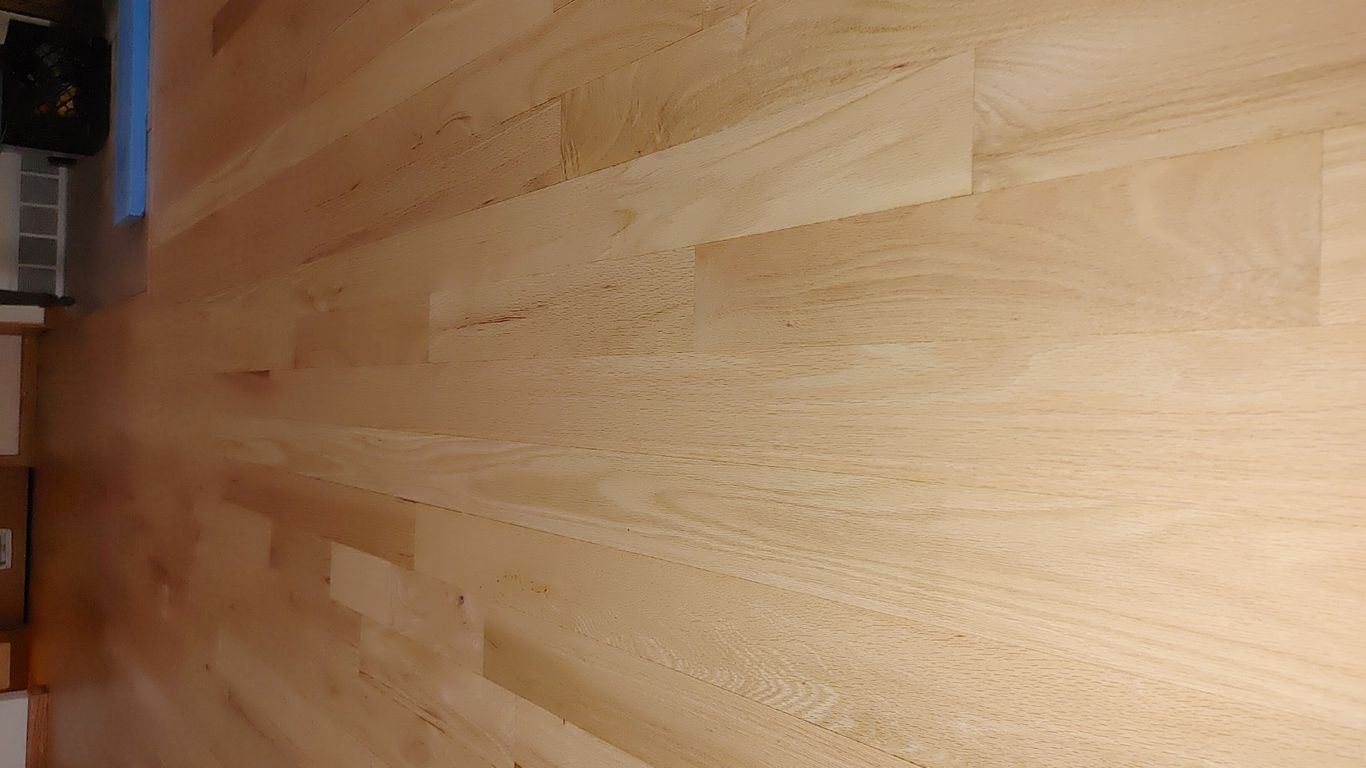
Getting that perfect, smooth finish on hardwood floors with water-based polyurethane isn't just about slapping it on. It takes a bit of know-how and attention to detail. We're talking about making sure every coat lays down just right, without streaks or bubbles, so the floor looks like it was done by a pro. It’s the final step that really makes the whole project shine, and honestly, it’s where a lot of jobs can go sideways if you’re not careful.
The Role of Water Based Primers
Before you even think about the topcoat, let's talk primers. Using a good water-based primer, like LOBA EasyPrime, is a game-changer. It’s not just an extra step; it’s about setting up the perfect foundation. A primer helps the polyurethane stick better, especially on tricky wood types or if you've done some staining. It can also help even out the color if you're going for a specific look. Think of it like prepping a wall before painting – you wouldn't skip that, right? A good primer seals the wood, prevents blotchiness, and can even speed up your drying times between coats, which is a big win on any job.
- Ensures superior adhesion for topcoats.
- Minimizes the risk of blotching or uneven color.
- Can help seal in stains for a more consistent look.
- Speeds up recoat times compared to going straight to topcoat.
Intercoat Abrasion and Final Coat Application
After your first couple of coats of polyurethane have dried, you might need to do a little light sanding, or what we call intercoat abrasion. This isn't about taking off a lot of material; it's just a quick scuff with a fine-grit screen (like 220 or 320 grit) or a very fine sanding pad. The goal here is to knock down any tiny imperfections, dust nibs, or slight ridges that might have formed. You absolutely have to clean up all that dust afterward – vacuuming and then using a tack cloth is key. Then comes the final coat. You want to apply this one carefully, making sure it's even and consistent. This is the coat everyone sees, so take your time and work methodically.
Troubleshooting Common Application Issues
Sometimes, things don't go perfectly. You might get streaks, bubbles, or a hazy appearance. Streaks often happen when the product isn't applied evenly or if the applicator is dragging. Bubbles can be caused by applying the finish too thick, working it too much, or not letting it dry properly between coats. A hazy look can sometimes be from moisture in the air or on the floor, or if you sanded too aggressively between coats and didn't clean up the dust properly. The best way to avoid these problems is to follow the manufacturer's instructions precisely, use the right tools, and work in good environmental conditions.
- Streaks: Apply thin, even coats. Don't overwork the product. Ensure your applicator is clean and in good condition.
- Bubbles: Avoid applying too thickly. Don't overwork the finish. Ensure proper drying between coats.
- Haze/Cloudiness: Make sure the floor and air are free of dust. Maintain proper temperature and humidity. Use the correct sanding grit and clean thoroughly between coats.
When applying water-based polyurethane, remember that thin, even coats are always better than one thick, gloppy coat. It might seem like more work, but it leads to a much more durable and attractive finish in the long run. Patience is really the name of the game here.
Performance and Durability of Water Based Polyurethane
Scratch and Wear Resistance
Bailey Flooring Supplies excels in offering water-based polyurethane finishes built to tackle daily abuse. You see it in their selection—Loba EasyFinish, Loba 2K Supra AT, and Invisible Protect A.T.—all proven among tradesmen for their resilience. Whether you’re dealing with dog nails, moving chairs, or commercial foot traffic, these products hold up reliably. That’s because modern water-based resins don’t just sit on the surface; they bond tightly and resist abrasion well beyond what older, oil-based poly could promise. Especially with two-component (2K) systems like Loba 2K Duo, you’re getting extra hardness and scuff resistance due to the chemical cross-linking.
Key points:
- 2K finishes (requiring a hardener) provide the toughest wear layer for schools, offices, busy homes
- 1K products still outperform old waterborne formulas, perfect for living rooms and bedrooms
- Matte and satin sheens hide scratches better than gloss if long-term appearance is a top concern.
| Product Name | Type | Best For | Estimated Traffic Life* |
|---|---|---|---|
| Loba EasyFinish | 1K | Residential, Light Commercial | 3-5 years (mid-traffic) |
| Loba 2K Duo/Supra AT | 2K | High-Traffic, Commercial | 7+ years (heavy traffic) |
*With regular maintenance and proper application.
It’s not just about resisting the first scratch. You want a finish that still looks good after years—not just months—of real use.
Chemical and Moisture Protection
The true test of a floor finish isn’t just if it looks nice on day one. Bailey’s pro-grade water-based polyurethanes put up a solid defense against spills, pet accidents, and household cleaners. Formulas like Loba Supra AT form a dense barrier that resists water intrusion, so you can mop, wipe up coffee, or even see a dropped wine glass without panicking about damage. Plus, these finishes shrug off most household chemicals and cleaning agents. That means fewer issues with rings from plant pots, or marks from kid-safe spill cleaners.
When applied correctly:
- Water beads up on the surface instead of soaking in
- Resistant to surface stains from juices, oils, and everyday cleaners
- No white spots or clouding from a little moisture left behind
Your peace of mind goes up when you know a floor can handle real family life—or constant customer traffic if it’s a business.
Long-Term Clarity and Non-Yellowing Properties
One big advantage of water-based poly is how well it keeps wood looking natural. While oil-based finishes will slowly amber, darken, and yellow over time, the water-based options from Bailey maintain true clarity. Loba EasyFinish and Invisible Protect A.T. are especially impressive here—they’re made to keep your oak, maple, or walnut bright, not orange or brassy a few years down the road. Even in sunny rooms, these finishes won’t turn yellow, helping preserve the original color and grain detail you started with.
Why it matters:
- Lets the natural color and grain of your wood stay in focus longer
- No color shift means less mismatched repairs or patch jobs later
- Ideal for Scandinavian-style interiors or anyone wanting a modern, fresh look
Choosing high-quality, non-yellowing water-based polyurethane from Bailey Flooring Supplies pays off every single day because the floor you see in year five looks almost as good as the day it was finished. That’s real, lasting value.
Review Summary: Bailey Flooring Supplies Water-Based Finishes
- Standout scratch and chemical protection, especially with Loba’s 2K products
- Superior clarity and a true non-yellowing formula keep wood looking like wood
- Well-suited to both high-traffic and residential jobs—easy to select the right system for your needs
- Professional trade support and ready supply for contractors
If you’re tired of re-coating floors because they’re scratched, yellow, or worn out too quickly, Bailey’s lineup makes the switch to water-based an easy call.
Maintenance and Care for Water Based Finishes
Keeping your water based polyurethane floor finish in good condition comes down to regular habits and using the right products. These finishes are designed for durability and easy upkeep, but a little attention now and then helps them last even longer. Proper care preserves the clarity and protection that drew you to water based poly in the first place. Here’s what I’ve learned on job sites and through client feedback:
Regular Cleaning Practices
- Sweep or vacuum floors every couple of days to keep grit from scratching the surface.
- Use a microfiber mop for dust and everyday pick-up – it’s gentle and more effective than cotton.
- Avoid letting water pool. Wring mops out well or use a spray-and-wipe system for spot cleaning.
A consistent cleaning routine keeps floors looking their best and prevents dirt from dulling the finish over time. It’s surprisingly easy to keep water based poly looking fresh—just stick with it and avoid abrasive tools.
Recommended Cleaning Products
Using the right cleaner matters—a lot. Stick with manufacturer-approved products or those formulated for water based finishes. General household cleaners can break down the finish or leave dulling residues.
| Product | Best For | Application |
|---|---|---|
| LOBA Parkett Soap R2U | Regular/daily cleaning | Mop or spray, no rinse |
| Bona Hardwood Floor Cleaner | Streak-free clean | Spray and wipe |
| Loba CareRemover | Occasional deep-cleaning | For sticky residues |
Don’t use:
- Ammonia- or bleach-based products
- Oil soaps or all-purpose cleaners (these can cause haze)
- Steam mops (the heat and moisture combo is too harsh)
Protecting Your Finish from Damage
It might sound basic, but these little things make all the difference:
- Install felt pads on all furniture legs to prevent scratches when sliding chairs and tables.
- Use mats at entrances to collect grit and moisture—keep them breathable so moisture doesn’t get trapped beneath.
- Keep pet nails trimmed and avoid walking in with sports cleats or heels with sharp points.
- Maintain a consistent indoor humidity around 40-60% to keep the wood stable and the finish intact.
- Wipe up spills—especially chemicals, alcoholic drinks, or anything acidic—right away, before they can attack the finish.
Taking the time upfront to protect your water based poly goes a long way for both looks and performance. Most problems I see on calls for touch-ups would be avoided with basic surface care.
If you care for your floors this way, water-based polyurethane will look good for years – with far less hassle than oil-based systems. For extra protection in high-traffic zones or if you’re seeing dullness, most pros recommend a recoat every couple of years using the same brand and sheen for the best results.
Professional Water Based Polyurethane Brands and Products
Exploring LOBA Water Based Finish Lines
When you're deep into a hardwood floor project, the finish is what really seals the deal. You want something that looks good, lasts, and doesn't make your life harder than it needs to be. That's where brands like LOBA come into play. They've got a whole lineup of water-based finishes that pros rely on. It’s not just about slapping on a coat; it’s about using the right stuff for the job.
Understanding 2K Systems like Loba 2K Duo and 2K Supra AT
For those really tough jobs, like a busy family home with pets or a commercial space, you need something with serious staying power. That's where two-component (2K) systems shine. LOBA's 2K Duo and 2K Supra AT are built for this. They mix a base with a hardener, creating a super durable finish that stands up to scratches and spills. It’s a bit more involved than a one-component system, but the payoff in terms of durability is huge. You get a finish that’s resistant to chemicals and wear, meaning fewer headaches down the road. These systems are engineered for longevity and professional-grade performance.
Considering User-Friendly Options like Loba EasyFinish
Now, not every job needs a heavy-duty 2K system, and sometimes you just want a finish that’s straightforward to apply. LOBA EasyFinish fits that bill. It’s a one-component water-based polyurethane that’s forgiving and easy to work with. It dries fast, cleans up with water, and doesn't have that harsh chemical smell. This makes it a great choice for both pros and DIYers who want a quality finish without a steep learning curve. It still offers good durability for most residential settings and keeps that natural wood look without yellowing over time. It’s a solid option for getting a professional look with less hassle. You can find this and other great products at Bailey Flooring Supplies, often ready for pickup quickly.
| Feature | Loba EasyFinish | Loba 2K Duo/Supra AT |
|---|---|---|
| Components | 1K | 2K |
| Durability | Good (Residential) | Excellent (Commercial) |
| Application Ease | Very Easy | Moderate |
| VOCs | Low | Low |
| Drying Time (Recoat) | 2-3 Hours | 2-3 Hours |
| Yellowing | No | No |
The Benefits of Switching to Water Based Polyurethane
Reduced VOCs and Improved Air Quality
Making the switch to water-based polyurethane finishes is a big win for your workspace and the environment. These finishes have significantly lower Volatile Organic Compounds (VOCs) compared to their oil-based counterparts. What does that mean for you and your clients? It means a much healthier working environment with less of that strong, lingering chemical smell. This is especially important if you're working in occupied spaces or if your clients have sensitivities. Better air quality isn't just a nice-to-have; it's a professional standard that shows you care about the well-being of everyone involved. Plus, lower VOCs mean you're using a more eco-friendly product, which is always a good look.
Faster Project Turnaround Times
One of the most practical advantages of water-based polyurethanes is how quickly they dry. We're talking about recoat times that can be as short as 2-3 hours, sometimes even less, depending on the specific product and conditions. Compare that to oil-based finishes, which can take 8-24 hours between coats. This speed difference can shave days off a project. Think about it: you can apply multiple coats in a single day and have the floor ready for light traffic much sooner. This means you can move on to the next job faster, increasing your productivity and your bottom line. It's a game-changer for busy contractors.
Enhanced Client Satisfaction and Fewer Callbacks
Clients notice the difference when you use modern water-based finishes. The low odor means they can often re-occupy their space sooner with minimal disruption. The clear, non-yellowing finish maintains the natural beauty of the wood for longer, which clients appreciate. Because these finishes are engineered for durability, they stand up better to daily wear and tear, leading to fewer issues down the road. Happy clients who have a beautiful, long-lasting finish are less likely to have problems or call you back with complaints. This builds your reputation and leads to more word-of-mouth referrals. It’s a win-win for everyone involved.
Thinking about changing your floor finish? Switching to water-based polyurethane offers some great advantages. It's a much healthier choice for your home because it releases fewer fumes, making the application process safer and more pleasant. Plus, it dries faster, meaning you can get back to enjoying your newly finished floors sooner. Ready to explore these benefits for yourself? Visit our website to learn more about our selection of water-based polyurethane finishes and find the perfect option for your project.
Conclusion
Wrapping things up, water based polyurethane finishes have really changed the game for hardwood floors. They dry quick, don’t stink up the house, and keep floors looking natural without that yellow tint you get from oil-based stuff. Whether you’re a contractor working on a big job or a homeowner doing a weekend project, these finishes are easy to use and tough enough for busy spaces. Just remember, good prep and following the directions make all the difference. If you want floors that look sharp and hold up for years, water based polyurethane is a solid choice. If you’re still not sure which product fits your job, don’t hesitate to reach out to your local supplier—they’ve seen it all and can point you in the right direction. Good luck on your next floor project!
Frequently Asked Questions
What is water based polyurethane and how is it different from oil based polyurethane?
Water based polyurethane is a clear finish used to protect hardwood floors and other wood surfaces. Unlike oil based polyurethane, it dries faster, has less odor, and doesn’t turn yellow over time. Water based formulas are also better for the environment because they have fewer harmful fumes.
How many coats of water based polyurethane do I need for my floors?
For homes, 2 to 3 coats are usually enough. If your floors get a lot of foot traffic, like in stores or busy hallways, 3 to 4 coats will give better protection and last longer.
Can I use water based polyurethane on stairs or high-traffic areas?
Yes, water based polyurethane works great on stairs and busy areas. It’s tough, resists scratches, and helps keep your wood looking good even when people walk on it a lot.
How long does water based polyurethane take to dry between coats?
Most water based polyurethanes dry enough to recoat in about 2 to 3 hours. Make sure the room stays between 65 and 75°F and has good airflow for the best results.
What’s the difference between 1K and 2K water based polyurethane systems?
1K systems are ready to use out of the can and are good for most homes. 2K systems need a hardener mixed in before use and are stronger, making them better for busy places like restaurants or offices.
Will water based polyurethane change the color of my wood floors?
Water based polyurethane keeps wood looking natural and clear. It won’t add a yellow or amber color like oil based finishes do, so your floors stay close to their original shade.
How do I clean and care for water based polyurethane floors?
Sweep or vacuum often to remove dust and dirt. Use a damp mop and a cleaner made for wood floors. Don’t use harsh chemicals or too much water, as this can damage the finish.
Can I apply water based polyurethane myself, or do I need a professional?
You can apply water based polyurethane yourself if you follow the instructions and work carefully. Use the right tools, like a microfiber roller or T-bar, and apply thin, even coats. Many DIYers get great results, but pros can help with big or tricky jobs.

0 comments