
Thinking about a kitchen remodel? You might be wondering about the best way to make it look good. A really popular look right now is using dark wood floors with white kitchen cabinets. It sounds simple, but there's a lot to consider to get it just right. This combination can make your kitchen look super fancy and bright, but you need to pick the right shades and finishes. We'll cover how to pick the wood stain, the cabinet color, and even the little details like hardware that make a big difference.
Key Takeaways
- Dark wood floors and white cabinets create a strong, appealing contrast that makes a kitchen feel both grounded and bright.
- Choosing the right shade of dark wood stain, from deep ebony to warm walnut, is important for the overall feel.
- White cabinets can range from crisp, clean whites to softer off-white tones, each offering a different vibe.
- Proper finishing and maintenance are key to making sure your dark wood floors and white cabinets look great for a long time.
- Details like lighting, hardware, and textures play a big role in pulling the whole dark wood floors with white kitchen cabinets look together.
Achieving the Perfect Contrast: Dark Wood Floors with White Kitchen Cabinets
The Enduring Appeal of Dark Wood Floors
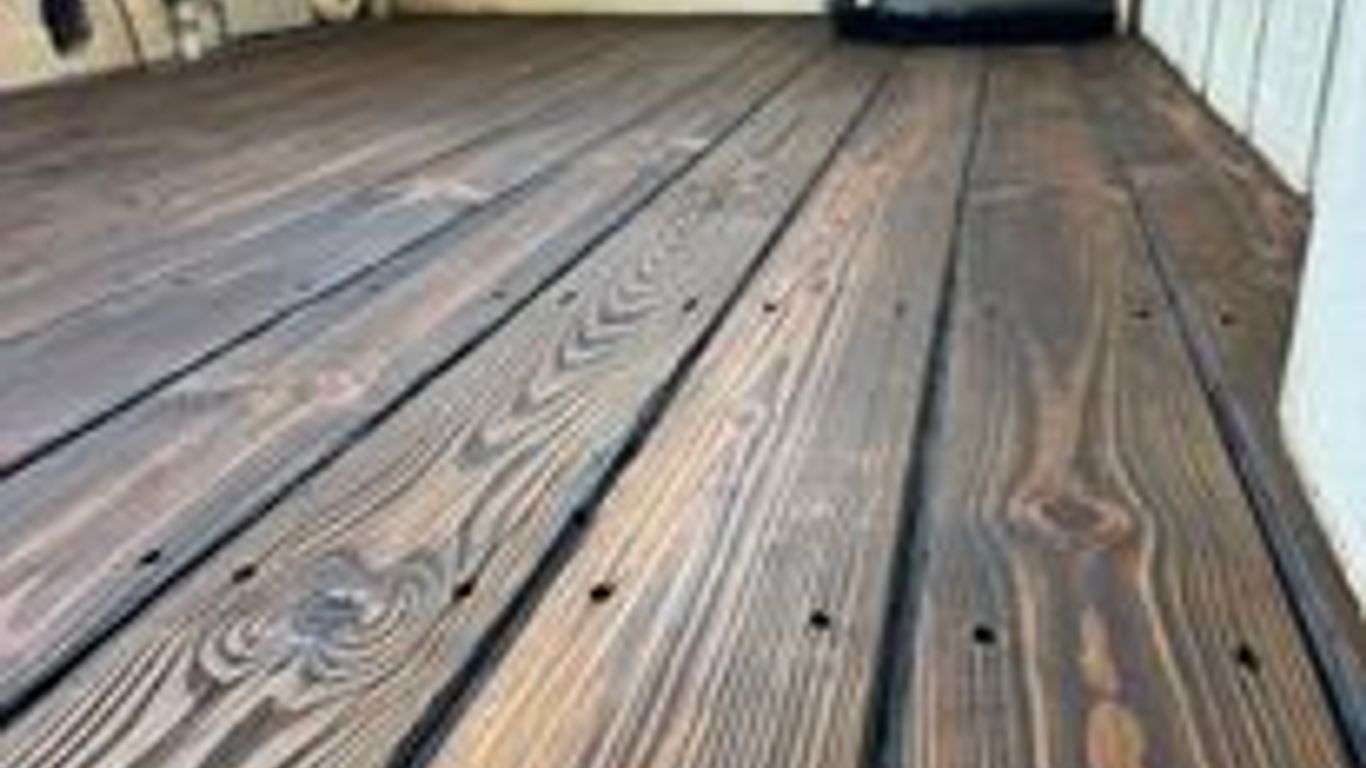
Dark wood floors have a way of making a space feel grounded and sophisticated. Think about it – that deep, rich color just pulls you in. It’s like a warm hug for your home. Whether you’re going for a classic look or something more modern, dark wood floors just have this timeless quality that never really goes out of style. They can make a room feel bigger and more luxurious, too. Plus, they hide everyday dirt and scuffs pretty well, which is a big win for anyone with a busy household.
The Timeless Charm of White Kitchen Cabinets
White kitchen cabinets are a classic for a reason. They make a kitchen feel bright, clean, and open. It’s like a blank canvas that you can build any style around. White cabinets can make even a smaller kitchen feel spacious. They reflect light, which is great for kitchens that don't get a ton of natural sun. And honestly, who doesn't love a crisp, clean look? It just feels fresh and inviting, making the kitchen a place you actually want to spend time in.
Why This Combination Works So Well
So, why does pairing dark wood floors with white kitchen cabinets work so well? It’s all about that stunning contrast. The dark, grounding floors create a beautiful base, and the bright white cabinets pop against them. It’s a look that’s both dramatic and balanced. This combination adds depth and visual interest to your kitchen, making it feel more dynamic. It’s a pairing that feels both classic and current, offering a sophisticated backdrop for everyday life and entertaining. It’s a design choice that really makes a statement without being over the top.
Selecting the Right Dark Wood Stain
Deep, Rich Ebony and Wenge Tones
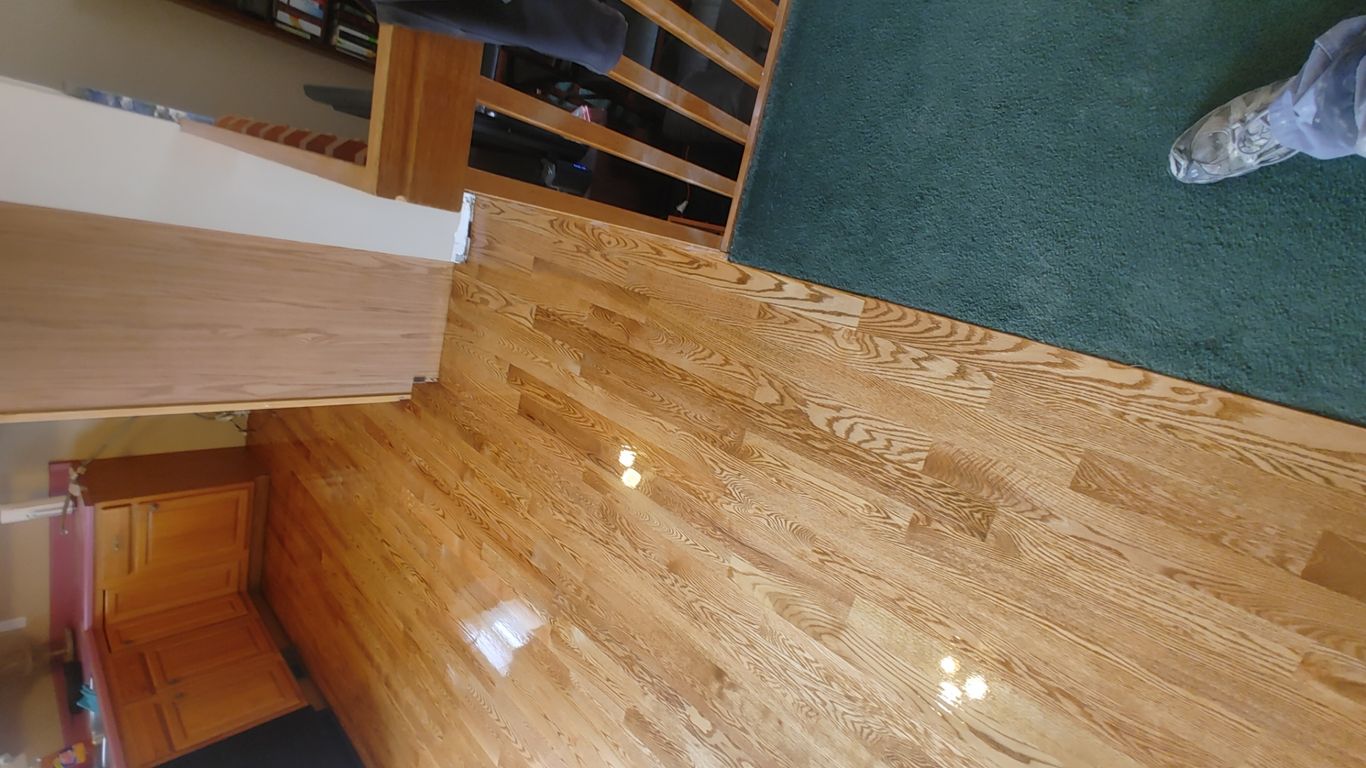
When you're aiming for a truly dramatic look, ebony and wenge stains are your go-to. Ebony offers a deep, almost black finish that can make any wood species look incredibly sophisticated. It’s a bold choice that really makes a statement, especially when paired with lighter elements in the room. Wenge, while also very dark, often has a subtle reddish or purplish undertone that adds a bit more warmth and complexity than a pure black. Both of these stains work best on woods that can take a deep color well, like maple or oak, and they create a stunning contrast with white cabinets. These dark, saturated colors are perfect for creating a high-end, modern feel.
Warm Jacobean and Special Walnut Hues
If you want dark, but not too dark, Jacobean and Special Walnut are fantastic options. Jacobean is a classic choice that strikes a great balance. It’s a rich, dark brown that has a lot of depth without being overwhelming. It’s versatile and works with almost any wood type, giving it a traditional yet updated feel. Special Walnut is similar, leaning a bit warmer with hints of red and brown, reminiscent of aged walnut furniture. These stains are excellent for achieving that cozy, inviting atmosphere that dark wood floors are known for, and they pair beautifully with white cabinets for a look that’s both grounded and bright.
Exploring Other Dark Wood Stain Options
Beyond the most popular choices, there's a whole spectrum of dark stains to consider. Think about stains like Provincial, which offers a deep, reddish-brown tone that’s a bit more muted than some of the others. Or consider a custom mix if you have a very specific shade in mind. Some contractors even like to use a pre-stain wood conditioner before applying their chosen dark stain. This helps the wood absorb the color more evenly, which is especially helpful on softer woods like pine or fir. It can prevent blotchiness and give you a more uniform, professional finish. Always test your stain on a scrap piece of the same wood you're using for your floors to see how the color will turn out before committing to the whole project.
Choosing the Ideal White Cabinetry
Crisp, Clean White Finishes
When you're aiming for that sharp contrast with dark wood floors, a crisp, clean white for your kitchen cabinets is a classic choice. It really makes the dark wood pop. Think of a bright, pure white that doesn't lean too yellow or too gray. This kind of white is versatile and works with almost any kitchen style, from modern farmhouse to sleek contemporary. It reflects light well, which can make your kitchen feel bigger and brighter, especially if natural light is limited. This bright, clean look is timeless and always feels fresh.
Off-White and Creamy Tones
If a stark white feels a bit too intense, off-white or creamy tones offer a softer alternative. These shades can add a touch of warmth and coziness to the kitchen. They still provide that contrast with dark wood floors but in a more subtle way. Creamy whites can pair particularly well with warmer dark wood stains, creating a harmonious and inviting space. They also tend to be a bit more forgiving when it comes to minor smudges or wear, which is always a plus in a busy kitchen.
Cabinet Styles That Complement Dark Floors
The style of your cabinets plays a big role in the overall look. For a modern kitchen, consider flat-panel or shaker-style cabinets in white. These have clean lines that work well with the strong contrast of dark floors. If you're going for a more traditional or rustic feel, raised-panel cabinets can add a bit more detail. No matter the style, the key is to ensure the cabinet design doesn't compete too much with the wood floor. You want the combination to feel balanced, not cluttered. A simple, well-executed cabinet style will let both the white cabinets and the dark wood floors shine.
Bailey Flooring Supplies Water-Based Finishes: A Professional's Review
For any flooring pro or serious DIYer looking to get the best finish on their wood floors, especially when pairing with striking cabinet choices, Bailey Flooring Supplies has some solid options. Their water-based finishes, like the Loba 2K Duo and Loba Hybrid, are worth a look. These aren't your average DIY store products; they're built for durability and a professional look. We've been using these types of finishes for a while now, and they really hold up.
Key Features & Benefits:
- Durability: These are typically two-component (2K) finishes. That means you mix a hardener with the base, creating a much tougher surface than a one-component finish. This is great for high-traffic areas, kitchens, and homes with pets. They resist scratches and chemicals well.
- Appearance: Many of their water-based options offer a very natural look. Finishes like the Loba 2K Invisible Protect A.T. are designed to give you protection without adding a lot of shine or changing the wood's natural color. This is perfect if you want the dark wood floors to look as natural as possible.
- Application: Water-based finishes generally have lower VOCs and less odor than oil-based ones, making the jobsite more pleasant. They also dry faster, which means you can get more coats on in a day and finish projects quicker. This is a big deal when you're on a tight schedule.
- Consistency: Professional-grade products like those from Loba, which Bailey Flooring Supplies carries, are known for consistent color and performance. This means fewer surprises and callbacks.
Performance Data (Typical):
| Feature | Bailey Flooring Supplies Water-Based Finishes (e.g., Loba 2K Duo) | Traditional Oil-Based Finishes |
|---|---|---|
| Dry Time (Recoat) | 2-4 hours | 12-24 hours |
| VOC Content | Low | High |
| Yellowing Over Time | Minimal to None | Can yellow |
| Durability | Excellent (2K systems) | Good |
| Odor | Low | Strong |
When you're choosing finishes, think about the sheen level too. Matte and satin finishes tend to look more natural and hide minor imperfections better, which can be great for darker woods. Semi-gloss adds a bit more depth and reflection. For a kitchen, a satin or semi-gloss is often a good balance between looks and practicality. You can find these professional finishes at Bailey Flooring Supplies, and they often have options for free shipping over $75, which is a nice perk. If you're unsure about which product to pick, their team can help you figure out the right finish for your specific project needs. They even have tools like the Bona 1/4" x 1/4" trowel, which is handy for applying adhesives or finishes evenly. Check out their finishes for your next project.
Professional Finishing for Durability and Beauty
The Importance of Professional-Grade Finishes
When you're aiming for that stunning contrast between dark wood floors and white kitchen cabinets, the finish you choose for your floors is a big deal. It's not just about looks; it's about how well your floors hold up over time. Professional-grade finishes are formulated with higher quality ingredients and advanced technology compared to what you might find at a big box store. These products are designed to withstand heavy foot traffic, spills, and the general wear and tear that a busy kitchen floor goes through daily. Investing in a professional finish means fewer headaches down the road, like needing to refinish sooner than expected or dealing with premature wear patterns. It's about getting a surface that looks great and performs even better, protecting your investment for years to come.
Water-Based vs. Oil-Based Finishes
Choosing between water-based and oil-based finishes is a key decision. Water-based finishes have come a long way and are now a top choice for many professionals. They dry much faster, often allowing for recoats within a few hours, which can significantly speed up your project timeline. Plus, they have a lower odor and lower VOC (volatile organic compound) content, making them a healthier option for indoor air quality during and after application. Water-based finishes also tend to dry crystal clear, meaning they won't add an amber tone to your wood, which is great if you want to maintain the true color of your dark stain. On the other hand, oil-based finishes have been the standard for a long time. They typically offer a slightly warmer tone and can be very durable, but they take much longer to dry and cure, and they have a stronger odor. For a modern kitchen with dark floors, the quick drying and clear finish of water-based options often make them the preferred choice.
Achieving a Long-Lasting, Beautiful Surface
Getting that long-lasting, beautiful surface really comes down to proper application and using the right products. For dark wood floors, especially, you want a finish that won't yellow over time and will maintain its clarity. Professional water-based finishes, like those from Loba, are engineered for this. Products such as Loba 2K Duo or Loba 2K Supra A.T. are two-component systems, meaning you mix a hardener with the finish. This creates a much more durable surface that resists scratches and chemicals better than single-component finishes. The key is meticulous preparation and following the manufacturer's instructions precisely. This includes proper sanding, thorough cleaning to remove all dust, and applying thin, even coats. Using a high-quality applicator designed for water-based finishes will help prevent streaks and ensure a smooth, consistent sheen. For a truly professional look that lasts, consider using a system that includes a compatible primer, like LOBA Amber Prime, to ensure optimal adhesion and color depth before applying your topcoats. This attention to detail is what separates a good finish from a great one, making your dark wood floors a stunning foundation for your white kitchen cabinets.
Enhancing the Dark Wood Floors with White Cabinets Aesthetic
Lighting Considerations for Dark Floors
Getting the lighting right is super important when you've got dark wood floors. Too little light, and the whole room can feel a bit gloomy, no matter how bright your white cabinets are. You want to make sure the space feels welcoming and functional. Think about a mix of lighting types. You've got your overhead lights, like recessed cans or a central fixture, which give you general illumination. Then, task lighting is key, especially in the kitchen. Under-cabinet lights are a lifesaver for dark countertops and make working at your prep areas much easier. They also bounce light off the dark floors, making them feel less heavy. Don't forget accent lighting, maybe a pendant over an island or some decorative sconces. This adds personality and can highlight features you want to show off. Natural light is always the best, so keep window treatments simple and let that sunshine in. It really makes a difference in how the whole room feels.
Hardware and Fixture Selections
When you're pairing dark wood floors with white cabinets, the hardware and fixtures you choose can really tie the whole look together. It's like the jewelry for your kitchen. For a classic look, brushed nickel or polished chrome hardware on the cabinets can offer a nice bit of shine against the dark wood and white. If you're going for something a bit warmer, oil-rubbed bronze or matte black hardware can add a sophisticated, grounding element. Think about the style of your cabinets too. Sleek, modern pulls work well with minimalist designs, while more ornate knobs might suit a traditional or farmhouse style. The same goes for your faucet and sink fixtures. A stainless steel faucet is always a safe bet, but a matte black or even a brushed gold could add a real pop of character. The key is to create a cohesive look that complements both the dark floors and the bright cabinets without being too busy. It's all about balance.
Adding Texture and Accents
To really make your dark wood floors and white cabinets shine, think about adding different textures and accent pieces. This is where you can inject some personality into the space. A nice area rug on the dark wood floor can add warmth and color. Look for something with a pattern that picks up on other colors in your kitchen, or a solid texture that adds visual interest. Think about textiles too – your kitchen towels, curtains, or even placemats. A chunky knit throw on a nearby stool or some woven baskets can add a cozy feel. Even the backsplash tile can bring in texture. A subway tile is classic, but a textured mosaic or a natural stone could add another layer. Don't forget about plants or decorative items on your countertops. A bowl of fresh fruit, a nice vase, or some artwork can break up the expanse of white and dark and make the whole kitchen feel more lived-in and inviting. It’s these little touches that make a house feel like a home.
Maintaining Your Stunning Kitchen
Daily Cleaning Practices
Keeping your dark wood floors and white cabinets looking their best doesn't require a lot of fuss. For daily upkeep, a quick sweep or vacuum is usually all you need to tackle dust and crumbs. Use a soft-bristle vacuum attachment to avoid scratching the wood. For cabinet fronts, a simple wipe-down with a damp microfiber cloth will take care of most smudges and fingerprints. Avoid abrasive cleaners or harsh chemicals, as these can damage the finish over time. For spills on the floor, blot them up immediately with a clean, dry cloth.
Deep Cleaning and Care
Periodically, your floors and cabinets will benefit from a more thorough cleaning. For the dark wood floors, use a wood floor cleaner specifically designed for your finish type. A pH-neutral cleaner is generally a safe bet. Apply it sparingly with a damp mop (never wet) and dry the floor immediately. For white cabinets, a mild soap and water solution can work wonders for tougher grime. Always test any cleaning product in an inconspicuous area first. Remember, consistent, gentle cleaning is key to preserving the beauty of your kitchen.
Protecting Your Investment
Think of your kitchen finishes as an investment. To protect your dark wood floors, consider using felt pads on the legs of all furniture. This simple step can prevent scratches and dents that can detract from the overall look. For your white cabinets, be mindful of items that could scratch or stain them, like abrasive sponges or certain cleaning agents. If you have pets, regular grooming can help minimize shedding and potential damage to the floors. For high-traffic areas, consider a durable water-based finish like Loba 2K Duo from Bailey Flooring Supplies. This professional-grade finish offers superior durability and a natural, low-sheen appearance, perfect for maintaining that 'new' look for years to come. It's designed for demanding environments and holds up well against daily wear and tear.
Expert Application Techniques for Optimal Results
Proper Surface Preparation is Key
Getting the surface ready is probably the most important step. If you skip this, you're asking for trouble down the road. We're talking about making sure the wood is totally clean, free of any dust, old wax, or anything else that might have built up over time. Sanding is a big part of this, too. You need to use the right grit sandpaper, going through the steps properly to get a smooth, even surface. Don't rush this part. A good prep job means the finish will stick better and look way smoother.
Applying Stains for Even Color
When you're putting down stain, the goal is to get a color that looks the same everywhere. This is where technique really matters. For oil-based stains, like some of the richer options such as Jacobean or Special Walnut, you'll want to work in manageable sections. Apply the stain evenly with a good quality applicator, like a brush or a rag, and then wipe off the excess before it dries too much. If you're using a water-based stain, they often dry faster, so you need to be a bit quicker and more deliberate with your strokes to avoid lap marks. Always test your stain on a scrap piece of wood first to make sure you like the color and how it goes on. It’s better to find out there if it looks weird than on your whole floor.
The Role of Topcoats in Durability
After the stain has dried completely, it's time for the topcoat. This is what actually protects your floor from daily wear and tear. We're talking about finishes like water-based polyurethanes. For a really tough finish, especially in busy areas, a two-component (2K) water-based finish is the way to go. These are designed to be super durable. You'll usually apply two or three coats, letting each one dry properly in between. A light sanding or buffing between coats can help smooth things out and make sure the next coat sticks well. The right topcoat is what makes your floor last for years.
Here's a quick rundown of what to expect:
- Preparation: Clean, sand, and vacuum thoroughly.
- Stain Application: Apply evenly, wipe excess, and allow to dry.
- Topcoat Application: Apply 2-3 coats, sanding lightly between coats.
- Curing: Allow the finish to fully cure before heavy use.
Remember, the finish isn't just about looks; it's about protecting your investment. Taking the time to do it right, from prep to the final coat, makes all the difference in how your floors will hold up over time.
Exploring Wood Species for Dark Stains
When you're aiming for that deep, rich look with dark wood floor stains, the type of wood you start with makes a big difference. Different species take stain differently, affecting the final color and the overall character of your floor. It's not just about the stain itself; the wood's natural grain and porosity play a huge role.
Oak and Maple: Versatile Choices
Oak and maple are probably the most common woods you'll find for flooring, and for good reason. They're tough, they look good, and they're pretty predictable when it comes to staining. Oak, especially red oak, has a more open grain pattern. This means it can soak up stain quite a bit, giving you a deeper, more pronounced color. White oak has a tighter grain and a slightly different natural tone, which can also look great with dark stains, offering a bit more subtlety.
Maple, on the other hand, has a very fine, closed grain. This makes it a bit harder for stain to penetrate evenly. If you're not careful, you can end up with a blotchy finish on maple. To get a really consistent dark color on maple, you often need to use a pre-stain wood conditioner first. This helps the wood absorb the stain more uniformly. Without it, you might get a finish that looks a bit uneven, which isn't always the look people are going for with dark stains.
Pine and Fir: Characterful Options
Woods like pine and fir are softer than oak and maple. They have a lot more character, which can be a good thing, but it also means they stain differently. Pine, for example, has knots and a more varied grain density. This can lead to a really unique look with dark stains, where the knots might appear darker and the grain really pops. However, just like maple, pine can be prone to blotching because of its soft nature. Using a pre-stain conditioner is almost always recommended for pine and fir if you want a smooth, even dark finish.
These woods are often chosen for a more rustic or farmhouse feel. The natural imperfections and the way they accept stain can add a lot of warmth and history to a space. If you're going for a distressed or antique look, pine or fir can be excellent choices. Just be prepared for a bit more work to get the stain just right.
Exotic Woods for Unique Looks
Beyond the common domestic species, there are exotic woods that can offer truly unique results with dark stains. Woods like Brazilian Walnut (Ipe) or Wenge are naturally very dark to begin with. Staining them darker might seem redundant, but it can help achieve an even deeper, more uniform color and add a protective layer. These woods are incredibly dense and hard, which means they are very durable but also can be challenging to work with. Stain penetration might be limited on these super-dense species, so the finish might sit more on the surface.
Other exotic woods might have interesting natural colors or grain patterns that react uniquely with stains. For instance, a wood with a reddish undertone might take a dark brown stain and turn into a deep, rich burgundy. It's always a good idea to test your stain on a scrap piece of the exact wood species you're using. This way, you can see how the color will turn out before you commit to the entire floor. Getting the wood species right is the first step to a stunning dark wood floor.
The Impact of Sheen Levels on the Overall Look
Matte and Satin Finishes for a Natural Feel
When you're going for that dark wood floor and white cabinet look, the sheen of your finish plays a big part in how everything comes together. If you want a more natural, understated vibe, matte or satin finishes are the way to go. They don't reflect a lot of light, which can make dark wood floors look even richer and deeper. It’s like they absorb the light rather than bouncing it back. This is great for hiding minor imperfections too, which, let's be honest, happen.
- Matte: Offers a very low sheen, almost like the wood is unfinished. It’s subtle and modern.
- Satin: Has a bit more luster than matte but is still quite subdued. It’s a popular choice because it’s not too shiny but still shows off the wood's character.
These finishes work really well if you're aiming for a cozy, organic feel in your kitchen. They tend to make the space feel more grounded and less formal.
Semi-Gloss and Gloss for Added Depth
On the other hand, if you want your floors to really pop and add a bit of drama, semi-gloss or full gloss finishes are your best bet. These finishes reflect more light, which can make your dark wood floors look more vibrant and can even make the space feel a little brighter. It’s a classic look that can add a touch of elegance.
- Semi-Gloss: A good middle ground. It has a noticeable shine without being overly reflective. It’s durable and easy to clean.
- Gloss: The highest level of shine. This finish makes the wood grain stand out and can give your kitchen a very polished, high-end appearance. It’s also quite reflective, so it can help bounce light around the room.
Keep in mind that glossier finishes can show scratches and dust more easily, so they require a bit more upkeep. But if you love a bit of sparkle, they can really make a statement.
Balancing Sheen with Durability
It's not just about looks, though. The sheen level can also affect how durable the finish is. Generally, finishes with higher gloss tend to be a bit tougher and more resistant to wear and tear. This is because the polymers in the finish are more tightly packed in glossier finishes.
| Sheen Level | Reflectivity | Durability | Maintenance | Appearance |
|---|---|---|---|---|
| Matte | Low | Good | Easy | Natural, subtle |
| Satin | Medium-Low | Very Good | Easy | Soft luster |
| Semi-Gloss | Medium-High | Excellent | Moderate | Noticeable shine |
| Gloss | High | Excellent | Higher | High-impact, bright |
When you're picking out a finish, think about how much traffic your kitchen floor gets. For busy households, a satin or semi-gloss might offer the best balance between a nice look and long-lasting protection. If you're really set on a matte look, just make sure you're using a high-quality product designed for durability, like a professional-grade water-based finish from Bailey Flooring Supplies. They have options like Loba 2K Duo or Loba 2K Supra AT, which come in various sheens and are built to last, even in tough spots. Choosing the right sheen is about finding that sweet spot between the aesthetic you want and the practical needs of your kitchen.
Troubleshooting Common Flooring Concerns
Addressing Scratches and Dents
Even the most durable hardwood floors can pick up minor scratches or dents over time, especially in high-traffic areas or if furniture isn't properly protected. Small nicks and shallow scratches can often be addressed with a bit of care. For deeper gouges, you might need to consider a more involved repair. Regular maintenance is your first line of defense against damage.
- For light scratches: Try using a wood repair crayon or a touch-up pen that matches your floor's color. Gently rub it into the scratch. For very minor surface scuffs, sometimes a soft cloth with a bit of wood floor cleaner can buff them out.
- For deeper dents: These can be trickier. Sometimes, a damp cloth placed over the dent and a hot iron (used briefly and carefully) can help swell the wood fibers back up, though this is a technique best left to experienced hands. For significant damage, you may need to consult a professional or consider replacing the affected boards.
- Prevention is key: Always use felt pads on the legs of furniture. Avoid dragging heavy items across the floor. Keep pet nails trimmed.
Dealing with Moisture Issues
Wood and excessive moisture are not friends. Water left standing on hardwood floors can lead to a host of problems, from discoloration and warping to mold and mildew. It's important to address spills immediately and be mindful of humidity levels in your home.
- Immediate cleanup: Blot up any spills or wet spots right away with a clean, absorbent cloth. Don't let water sit on the surface.
- Humidity control: Use a dehumidifier or humidifier as needed to maintain a stable indoor humidity level, typically between 35-55%. This helps prevent the wood from expanding or contracting excessively.
- Avoid steam mops: Steam cleaners can force moisture deep into the wood, causing damage that's hard to repair.
Ensuring Consistent Color Across the Floor
Sometimes, over time, areas of your hardwood floor might appear to fade or change color differently. This can be due to direct sunlight exposure, wear patterns, or even how the original stain was applied. Achieving a uniform look requires attention to detail during installation and finishing, and sometimes, a bit of touch-up work later on.
- Sunlight: Direct sunlight can bleach or darken wood over time. Use curtains or blinds to protect vulnerable areas. Area rugs can also help.
- Wear: High-traffic areas naturally wear down the finish and can expose the wood differently, leading to color variations. Regular cleaning and maintenance with appropriate products, like Bailey Flooring Supplies cleaners, can help maintain the finish.
- Refinishing: If color inconsistencies are significant, a full floor refinishing might be the best solution. This allows for a fresh, even stain and finish application across the entire floor, restoring its original beauty. For professionals looking for top-tier products, Bailey Flooring Supplies offers a range of professional-grade finishes designed for durability and consistent results.
Got some flooring issues? Don't let scratches or dullness get you down. We've got easy fixes for common problems. Check out our tips and tricks to make your floors look great again. Visit our website for more solutions!
Bringing It All Together
So, there you have it. Pairing dark wood floors with white kitchen cabinets isn't just a trend; it's a classic look that really works. It gives you that clean, bright feel from the white cabinets, but the dark floors ground the whole space and add a touch of warmth and sophistication. It’s a combination that’s pretty hard to mess up, and it makes a kitchen feel both modern and cozy. Whether you're building new or just looking to update, this contrast is a solid choice that'll make your kitchen stand out. Just remember to pick the right finish for those floors to keep them looking good for years to come.
Frequently Asked Questions
What makes dark wood floors and white cabinets look so good together?
It's all about the contrast! Think of it like a black and white photo. The dark floors make the bright white cabinets pop, and the white cabinets make the dark floors feel even richer. This strong difference creates a really eye-catching and stylish look that many people love.
What are some good dark wood colors for floors?
You can go for super dark shades like ebony or wenge for a dramatic look. If you want something a bit warmer, try colors like Jacobean or Special Walnut. These still look dark but have a bit more brown in them, making them feel cozy.
What kind of white should I pick for my kitchen cabinets?
You have options! Pure, bright white gives a super clean and modern feel. If that seems too stark, consider off-white or creamy shades. They're still light but can feel a bit softer and more inviting, especially with dark floors.
Do I need special finishes for dark wood floors?
Yes, using a good finish is important to protect your floors and keep them looking great. Professional-grade finishes, whether they're oil-based or water-based, offer the best protection against scratches and spills. They also help the stain color stay true and last longer.
How can I make sure my kitchen doesn't feel too dark with dark wood floors?
Lighting is key! Make sure you have plenty of light, both natural and artificial. Good lighting will brighten up the space and show off the beauty of your dark floors and white cabinets. You can also use lighter colors for your countertops and backsplash.
What kind of hardware looks best with this style?
It really depends on the overall style you're going for. Sleek, modern hardware in finishes like brushed nickel or matte black can look sharp. For a more classic or farmhouse feel, you might choose something in oil-rubbed bronze or even a polished brass.
How do I clean and care for dark wood floors?
Regular sweeping or vacuuming with a soft brush attachment is a good start. For cleaning, use a cleaner specifically made for hardwood floors, and always use a damp (not wet!) mop. Avoid harsh chemicals or too much water, which can damage the wood.
Can I use any type of wood for dark floors?
Most common woods like oak and maple work well with dark stains. Pine and fir can also be used, but they might show the wood grain more, which can add character. Some exotic woods can also take dark stains beautifully for a unique look.
0 comments