

So, you're looking to connect your nice hardwood floors to some new vinyl, huh? It sounds simple enough, but getting that transition just right can be a bit tricky. You don't want a trip hazard or a weird gap. This guide is here to walk you through making that change look good and hold up over time. We'll cover everything from checking out the spot where the floors meet to picking the right materials and putting it all together.
Key Takeaways
- Make sure the spot where your hardwood meets the new vinyl is solid and level. Check for any damage or moisture issues before you start.
- Clean the hardwood floor really well and fix any bumps or low spots. This gives the vinyl a good surface to attach to.
- Pick the right kind of vinyl flooring for your needs. Think about how much traffic the area gets and if it might get wet.
- Use the correct adhesive for your vinyl and the hardwood subfloor. This is super important for a bond that lasts.
- Pay attention to how you install the vinyl and use transition strips. These help make the change between the two floor types look neat and prevent problems.
Understanding The Transition Zone
Assessing Subfloor Stability
Before you even think about laying down new vinyl, you gotta check out what's underneath. The hardwood floor you're transitioning from might look okay on the surface, but the subfloor is where the real work happens. Give it a good poke and prod. Is it solid? Does it feel spongy or loose anywhere? If the subfloor is weak, bouncy, or has any give, it's going to cause problems down the line, no matter what kind of flooring you put on top. You might need to add extra support or even replace sections of it. A stable subfloor is the foundation for a good floor, so don't skip this step.
Evaluating Existing Floor Heights
This is a big one when you're going from hardwood to vinyl. Hardwood and vinyl planks often have different thicknesses. You need to figure out the height difference between your existing hardwood and the new vinyl you plan to install. If you don't account for this, you'll end up with a noticeable lip or a dip where the two floors meet. This isn't just an aesthetic issue; it can be a tripping hazard. You'll want to measure the thickness of your hardwood and compare it to the thickness of the vinyl, including any underlayment you plan to use. This information will help you choose the right transition strips later on.
Considering Moisture Barriers
Moisture is the enemy of most flooring, and the transition area can be a hotspot. Think about where these two floors are meeting. Is it near a bathroom, a kitchen sink, or an exterior door? If there's any chance of water getting in, you'll need to think about a moisture barrier. For vinyl, especially, a good vapor barrier can prevent moisture from getting trapped between the layers, which can lead to mold, mildew, and damage to your subfloor. You might need to install a separate moisture barrier before laying the vinyl, or some vinyl products come with a built-in one. It's better to be safe than sorry when it comes to moisture.
Preparing The Hardwood Surface
Before you even think about laying down that new vinyl, you've got to get the existing hardwood floor ready. This isn't just about making it look good; it's about making sure the vinyl sticks properly and lasts. Skipping these steps is like building a house on sand – it's just not going to end well.
Thorough Cleaning and Debris Removal
First things first, you need to get this floor spotless. We're talking about getting rid of every speck of dust, dirt, grease, and any old wax or polish. If there's anything on the surface, your new adhesive won't be able to grab the wood like it should. A good vacuuming is a start, but you'll likely need to follow up with a cleaner specifically made for hardwood floors. Something like the Ready To Use Spray No-Wax Hardwood Floor Cleaner is a good option for a quick clean, or if you have a larger area, a concentrate like No-Wax Hardwood Floor Cleaner Concentrate WoodWise might be more practical. Just make sure whatever you use dries completely and doesn't leave any residue behind. You want a clean, dry surface that's ready for the next step.
Addressing Unevenness and Gaps
Hardwood floors, especially older ones, can have some personality – meaning dips, humps, or gaps. These aren't just cosmetic issues when you're installing vinyl. Any significant unevenness can telegraph through the vinyl, making it look bad and potentially causing wear spots over time. You'll need to address these. For minor low spots, you might be able to use a floor leveling compound. For high spots, you might need to sand them down. If you have larger gaps between boards, you might need to fill them. Sometimes, a wood filler or even a specialized wood filler for factory-finished floors can do the trick, but make sure it's something that will harden properly and won't be too soft under the vinyl.
Ensuring a Smooth Profile
After cleaning and fixing any major issues, the surface needs to be smooth. Think of it like prepping a wall for paint. You wouldn't paint over bumps and cracks, right? Same idea here. You want a consistent surface across the entire area where the vinyl will be laid. This might involve a light sanding, especially if there are any old finish remnants or minor imperfections you missed. The goal is a uniform profile that will allow the vinyl to lay flat and the adhesive to bond evenly. A smooth, clean, and stable hardwood surface is the foundation for a successful vinyl installation.
Choosing The Right Vinyl Flooring
Picking the right vinyl for your hardwood to vinyl transition is a job that pays off down the road. If you take the time to learn what works best for your space, installation gets easier and the finished look lasts longer. Let's look at what you should consider.
Luxury Vinyl Plank vs. Sheet Vinyl
The first thing most people notice is the style: vinyl comes both as planks (LVP/LVT) and as sheets. While both function well, they deliver different results:
| Feature | Luxury Vinyl Plank (LVP/LVT) | Sheet Vinyl |
|---|---|---|
| Appearance | Mimics wood/tile nicely | Fewer patterns, less realistic |
| Installation | Planks click/lock or glue | Rolls out, glued/stapled |
| Durability | High (if thick) | Moderate/High |
| Repairs | Replace plank(s) | Patch or replace whole area |
| Cost | Usually higher | Often more affordable |
- LVP is ideal if you want a realistic wood look next to your existing hardwood.
- Sheet vinyl suits budget jobs or when water-resistance is your main goal.
- Plank systems are more forgiving when floors aren’t perfectly flat or square.
Understanding Wear Layers and Thickness
Wear layer and plank thickness matter if your floors see a lot of foot traffic. Here’s what you should focus on:
- Wear Layer: This is the surface you walk on. Thicker means better scratch and stain resistance.
- Residential: Go for at least 12 mil (0.3 mm).
- Commercial or busy homes: 20 mil (0.5 mm) or above works best.
- Overall thickness helps when matching the height of adjacent hardwood or transition strips. Standard choices range from 2mm (thin) to 8mm (premium, more cushion).
Table:
| Use Level | Wear Layer | Total Thickness (min.) |
|---|---|---|
| Light/Residential | 8-12 mil | 2-4 mm |
| Moderate/Residential | 12-20 mil | 4-5 mm |
| Commercial/Heavy | 20+ mil | 5-8 mm |
If durability in busy areas matters, invest in thicker wear layers and overall product. Repairs are costlier than getting it right up front.
Selecting Appropriate Backing and Underlayment
Backing isn’t just about softness underfoot. Some types help with acoustics, while others add a bit of moisture protection. Here are a few options to keep in mind:
- Built-in underlayment: Quiets footsteps, easier install, good over wood subfloors.
- Cork or foam backings: Softer feel, small thermal insulation boost.
- PVC or rigid SPC core: Reduces flex, hides minor subfloor problems, stands up to dents/oil stains.
- If you're working over hardwood, make sure your chosen vinyl is rated for use over existing wood.
- Some jobs might need a dedicated moisture barrier underneath—all depends on your local climate and what’s under the floor.
- For a clean transition, match underlayment thickness so the top of your vinyl lines up with hardwood next door.
For tough jobs or specialty needs, it’s worth talking to a flooring pro so you don’t get stuck patching vinyl in a year or two. Don't forget—Bailey specializes in products that keep a hardwood transition looking sharp, from water-based wood fillers for edge prep right here, to contractor-trusted finish options. The right materials make all the difference.
Adhesive Selection For A Solid Bond
Compatibility With Vinyl and Substrate
When you're getting ready to lay down that new vinyl flooring, picking the right adhesive is a big deal. It's not just about sticking things down; it's about making sure it stays stuck, no matter what. You've got to think about what the vinyl itself is made of and what's underneath it. Some vinyls, especially the thicker luxury vinyl plank (LVP) types, need a specific kind of glue that won't break them down or react badly. Same goes for the subfloor. If you're laying vinyl over concrete, you'll need something that can handle potential moisture. If it's over wood, you need an adhesive that bonds well to wood without causing issues down the line. Always check the vinyl manufacturer's recommendations and the adhesive's product details. They usually have charts or lists telling you exactly what works with what. Getting this wrong can lead to lifting edges, bubbles, or even the vinyl coming loose later on.
Tack Time and Open Time Considerations
Adhesives have different personalities, and two key ones are 'tack time' and 'open time.' Tack time is how long you have to wait after spreading the adhesive before you can actually lay the vinyl down. Too short, and you might not get a good grab. Too long, and it might start to dry out before the vinyl makes contact. Open time is the window during which the adhesive is still sticky enough to form a strong bond once the vinyl is pressed into it. If you're working on a big area, you'll want an adhesive with a decent open time so you can lay down several pieces before it starts to set. For smaller, more intricate jobs, or if you're working alone, a quicker tack time might be better so you can move faster. It's a balancing act, really. You need enough time to position the vinyl correctly, but not so much that the adhesive loses its grip.
Moisture-Resistant Adhesive Options
Moisture is the enemy of many flooring installations, especially when you're transitioning from hardwood to vinyl. If your subfloor is concrete, or if there's any chance of moisture getting into the area (like near a bathroom or kitchen sink), you absolutely need a moisture-resistant adhesive. These special glues are formulated to create a barrier against water vapor. They help prevent the adhesive from breaking down and causing the vinyl to bubble or lift. Some adhesives are specifically designed for high-moisture environments. When you're looking at product labels, keep an eye out for terms like 'moisture vapor barrier,' 'waterproof,' or 'high moisture resistance.' Using the wrong adhesive in a damp area is a recipe for disaster, so don't skip this step. It's worth the extra bit of cost to avoid having to redo the whole floor later.
Installation Techniques For A Seamless Hardwood Floor To Vinyl Transition
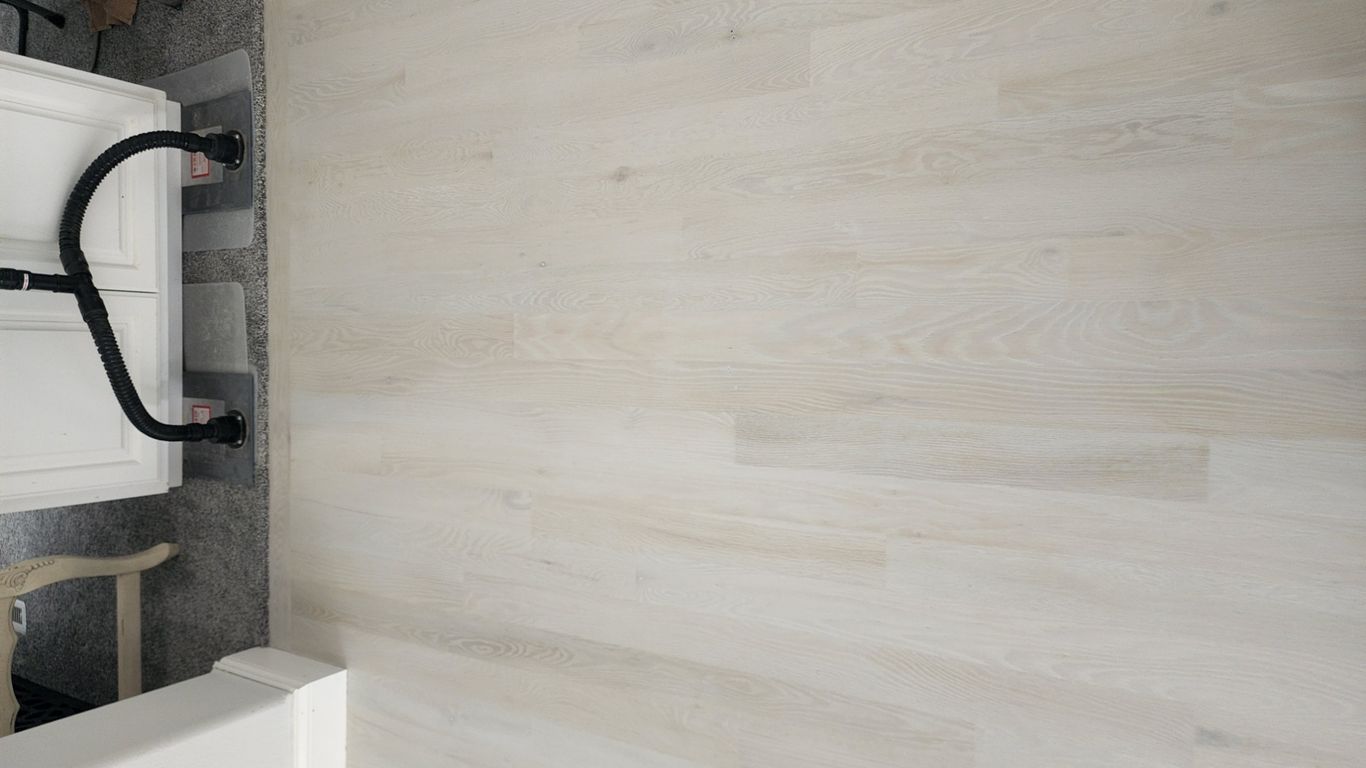
Layout Planning and Starting Points
Before you even think about cutting, take some time to plan out your vinyl layout. This isn't just about making it look good; it's about making the installation go smoothly. Figure out where you'll start. Often, starting along the longest, most visible wall makes the most sense. This way, any full planks or sheets will be in the most prominent spots, and any cuts will be hidden in corners or behind doors. Think about the direction of the planks too. If you're using vinyl plank flooring, running them parallel to the main light source in the room usually looks best. It helps minimize shadows and makes the floor look more uniform. Don't forget to account for doorways and how the vinyl will meet the hardwood. A little planning here saves a lot of headaches later.
Cutting and Fitting Around Obstacles
Obstacles are part of almost every flooring job. Doorways, cabinets, and irregular wall shapes will all need careful attention. For straight cuts, a good utility knife and a straight edge work well for vinyl. For more complex shapes, like around a door jamb or a curved wall, you might need to make a template. You can use a piece of cardboard or even the vinyl itself to trace the shape, then carefully cut it out. Remember to leave a small gap, usually about 1/8 inch, around obstacles like cabinets and walls. This is called an expansion gap, and it's super important for preventing the vinyl from buckling later on, especially if the temperature or humidity changes.
Maintaining Consistent Expansion Gaps
Expansion gaps are non-negotiable, no matter what type of flooring you're installing. For vinyl, especially vinyl plank, these gaps allow the material to expand and contract with changes in temperature and humidity. Without them, the planks can push against each other and cause buckling or lifting. The typical gap is around 1/8 to 1/4 inch, depending on the manufacturer's recommendations and the size of the area being covered. You can use spacers to keep this gap consistent along all walls and fixed objects. This small gap is critical for the long-term stability and appearance of your new vinyl floor. It's easy to forget, but it's one of the most important details for a professional finish.
Transition Strips And Profiles
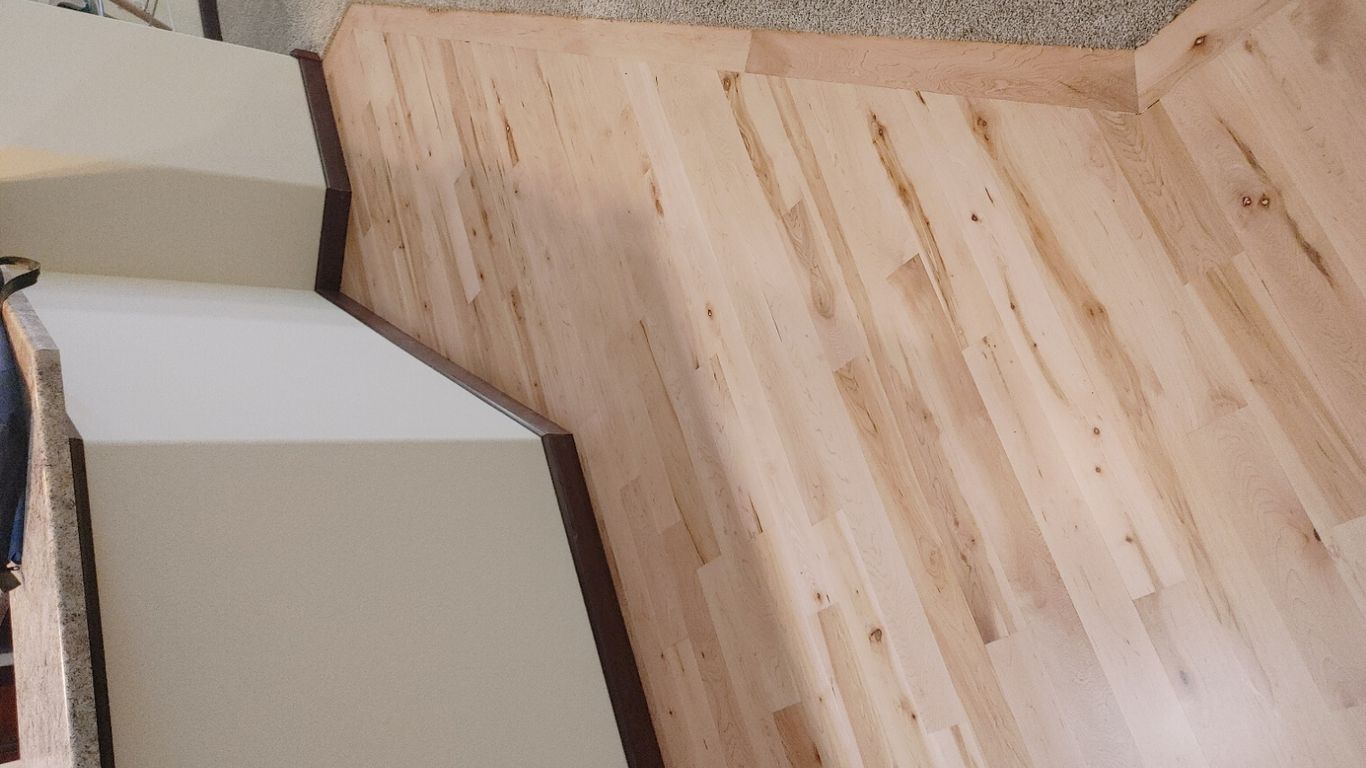
Types of Transition Moldings
When you're finishing up a floor project, especially where different flooring types meet, you'll need to think about transition strips. These aren't just for looks; they help make the change between, say, your hardwood and new vinyl, look clean and professional. There are a few main kinds you'll run into.
- Reducer Strips: These are probably the most common. They're used when there's a height difference between the two floors. One side is usually thicker, tapering down to a thinner edge. This helps bridge the gap smoothly. You'll find them in wood, vinyl, or metal.
- T-Molding: This one is pretty straightforward. It's shaped like a 'T' and is used when the two floors are the same height. It creates a nice, clean line right down the middle of the transition.
- End Molding: This is for when a floor simply ends, like at a doorway or a hearth. It gives the edge a finished look.
- Stair Nosing: While not strictly a transition strip between floors, it's important for any steps involved. It caps the edge of a stair tread, providing a finished look and a bit of protection.
Choosing the right one depends on the height difference and the look you're going for. It's important to match the material and color as closely as possible to the surrounding floors for the best visual flow.
Securing Transition Strips
How you attach these strips matters for how long they'll last and how good they look. There are a couple of ways to go about it.
- Nail-Down: This is a classic method. You'll use a finish nailer or a hammer to secure the strip directly to the subfloor. It's a solid way to attach it, especially for wood strips. You'll want to use nails that are long enough to get a good grip in the subfloor but not so long they poke through the other side.
- Glue-Down: For some types of strips, especially vinyl or metal ones, adhesive is the way to go. You'll apply a strong flooring adhesive to the back of the strip or directly to the subfloor in the transition area. Make sure you use an adhesive that's compatible with both the strip material and your subfloor.
- Screw-Down: Sometimes, especially in high-traffic areas or for wider strips, screws might be used. This is less common for typical transitions but can offer extra security.
Always check the manufacturer's recommendations for the specific transition strip you're using. Using the right fasteners or adhesive is key to preventing the strip from shifting or coming loose over time.
Matching Profiles to Flooring Heights
Getting the transition strip to sit right is all about matching its profile to the height difference between your hardwood and vinyl floors. If you don't get this right, you'll end up with a trip hazard or a gap that looks bad and can collect dirt.
- Equal Heights: If your hardwood and vinyl are the same height, a simple T-molding or a flat reducer strip works well. The goal here is just to cover the seam cleanly.
- Slight Height Difference (1/4" to 1/2"): This is where a standard reducer strip shines. It's designed to gently slope from the higher floor to the lower one. You'll want to measure the exact difference to pick the right reducer.
- Significant Height Difference (Over 1/2"): For bigger gaps, you might need a more substantial transition piece, or you might need to build up the subfloor height under the vinyl slightly. Sometimes, a thicker reducer or a specialized profile might be available. You could also look into using a quarter-round or shoe molding along the edge of the hardwood to help fill a small gap before the main transition piece is installed, though this is more of a workaround.
Always measure the height difference accurately at the transition point before you buy your transition strips. A little bit of planning here saves a lot of headaches later on.
Dealing With Height Differences
Sometimes, the hardwood floor and the vinyl you're installing aren't at the exact same height. This can happen for a few reasons, like the thickness of the vinyl or the underlayment you're using. It's not a huge deal, but you've got to handle it right so the transition looks good and doesn't become a tripping hazard.
Using Transition Reducers
Transition reducers, also called reducer strips or transition moldings, are your go-to for this. They're basically strips of wood or laminate that have a sloped edge. One side is thicker to match the higher floor (in this case, the hardwood), and it gradually slopes down to meet the lower floor (the vinyl). You'll typically find these in wood, vinyl, or metal. The key is to pick one that's the right height and slope for your specific situation. You'll usually secure these with adhesive or small nails, depending on the material and the subfloor.
Building Up Subfloor Height
If the height difference is pretty significant, or if you want a really solid transition, you might need to build up the subfloor. This usually involves adding a layer of plywood or a specialized underlayment material. You'll want to make sure whatever you add is securely fastened to the existing subfloor. Then, you can install your vinyl flooring on top of this built-up area. This method gives you a nice, even surface to work with and can make the transition much smoother. It's a bit more work, but it often gives the best results for larger height differences.
Incorporating Schluter Strips
Schluter strips are usually known for tile work, but they can be super useful here too, especially if you're looking for a clean, modern edge. They're typically made of metal (like aluminum or stainless steel) and come in different profiles. Some Schluter profiles have a lip that can help bridge the height difference between the hardwood and the vinyl. You'd install the Schluter strip so its profile sits at the edge of both flooring types, creating a neat, defined line. This is a good option if you want something durable and with a bit of a contemporary flair. They can be set in adhesive or sometimes integrated with the vinyl installation itself, depending on the specific product.
Waterproofing The Transition Area
When you're joining hardwood to vinyl, keeping water out of that transition zone is pretty important. Nobody wants a floor that starts to warp or get moldy because of a little spill. We need to think about how to seal things up right.
Sealing Edges and Seams
This is your first line of defense. You want to make sure that where the hardwood meets the vinyl, and where the vinyl planks or sheets meet each other, there's a good seal. This stops water from seeping down into the subfloor or under the flooring itself. For vinyl planks, the interlocking edges are usually pretty good, but it's the perimeter that needs attention. For sheet vinyl, the seam where two pieces meet needs to be properly glued or heat-welded, depending on the type. A good quality sealant applied along the edge where the hardwood meets the vinyl can make a big difference.
Utilizing Vapor Barriers
Depending on your situation, a vapor barrier might be a good idea. If you're on a concrete slab or in a basement area where moisture from below is a concern, you'll want something to block that. Some vinyl flooring comes with a built-in vapor barrier, which is handy. If not, you might need to install a separate one before laying the vinyl. This is especially true if the hardwood side is on a different level or in a different environment than the vinyl side.
Protecting Against Moisture Intrusion
Think about the whole picture. Where is this transition happening? Is it in a kitchen, a bathroom, or a hallway? If it's in a place where spills are common, you need to be extra careful. Using adhesives that are rated for moisture resistance is a smart move. Also, consider the type of vinyl you're using. Some vinyl products are inherently more water-resistant than others. Always check the manufacturer's recommendations for both the vinyl and any adhesives or sealants you plan to use.
Here's a quick rundown of what to consider:
- Adhesive Choice: Pick an adhesive that's designed to handle moisture, especially if the vinyl is going into a potentially damp area.
- Subfloor Prep: Make sure the subfloor is clean and dry before you start. Any existing moisture will just cause problems later.
- Perimeter Sealing: Don't forget to seal the edges where the two flooring types meet. This is a common weak spot.
- Vinyl Type: Some vinyl is better suited for wet areas than others. Know your product.
Taking a little extra time to waterproof this transition now will save you a lot of headaches down the road. It's about protecting your investment and keeping your floors looking good for years to come.
Finishing Touches For A Professional Look
Cleaning Up Excess Adhesive
Once your vinyl flooring is laid and any transition strips are secured, you'll likely have some leftover adhesive. It's important to clean this up right away, before it hardens. Most adhesives clean up easily with a damp cloth or a specific adhesive remover recommended by the manufacturer. Don't let any sticky residue linger, as it can attract dirt and make the area look messy. For stubborn spots, a plastic scraper can help lift the dried adhesive without scratching the new floor.
Final Inspection of the Transition
Before you call the job done, take a good, long look at the transition between your hardwood and vinyl. Check that all the edges are clean, the transition strips are firmly in place, and there are no gaps or uneven spots. Run your hand over the area to feel for any bumps or loose pieces. This is also a good time to check that the vinyl is fully adhered to the subfloor and that there are no air bubbles. A thorough inspection now can save you a lot of headaches down the road.
Applying Protective Coatings if Necessary
Depending on the type of vinyl flooring you've installed and the traffic it will see, you might consider a protective coating. Some vinyl products come with a factory-applied wear layer, but an additional clear coat can add an extra layer of defense against scratches and scuffs, especially in high-traffic zones. If you do decide to apply a coating, make sure it's compatible with your vinyl flooring and follow the manufacturer's instructions precisely. This step isn't always needed, but it can help keep your new transition looking sharp for years to come. For those looking to maintain the natural look of wood, consider professional-grade water-based finishes like those from Bailey Flooring Supplies. These finishes are known for their durability and low VOC content, making them a smart choice for protecting your floors. You can find a variety of options, including water-based finishes designed for professional results.
Maintenance Of Your New Transition
Regular Cleaning Practices
Keeping your new hardwood to vinyl transition looking sharp is pretty straightforward. The best thing you can do is just sweep or vacuum it regularly. This gets rid of the everyday dust and grit that can get ground into the floor. For a deeper clean, use a cleaner that's made for hardwood floors and is safe for vinyl too. You don't want anything too harsh, like ammonia or bleach, because those can really mess up the finish on both materials. A damp mop with a pH-neutral cleaner is usually the way to go. Just make sure not to leave standing water, as that's bad news for any floor.
Protecting Against Wear and Tear
Think about putting felt pads on the bottom of all your furniture. Seriously, this is a game-changer. It stops chairs, tables, and anything else from scratching up the floor when you move them. It’s a small step that makes a big difference in keeping things looking good for years. Also, try to clean up spills right away. Water and other liquids can seep into the edges if left sitting there too long, and that’s not good for the transition or the floors themselves.
Addressing Future Issues Promptly
If you notice any loose edges, peeling vinyl, or gaps forming at the transition, don't just ignore them. Small problems can turn into big ones pretty quickly. A loose piece of vinyl could trip someone, or a gap could let dirt and moisture get underneath. It’s usually pretty easy to fix these things yourself with a bit of adhesive or by re-securing a transition strip. If you’re not comfortable doing it, though, it’s always better to call in a pro before it gets worse. Taking care of these little things means your transition will last a lot longer and keep looking like you just installed it.
Keeping your new transition looking great is simple! Regular cleaning and the right products will make sure it stays in top shape for years to come. For the best ways to care for your transition, check out our website for expert tips and recommended supplies.
Wrapping It Up
So, there you have it. Making the switch from hardwood to vinyl flooring doesn't have to be a headache. With the right prep and the right transition pieces, you can get a clean look that holds up. It’s all about taking your time and not cutting corners. Remember, a good transition is like a handshake between two different floors – it needs to be solid and look right. If you're unsure about any part of the process, don't hesitate to ask someone who knows their stuff. A little extra care now means a floor you'll be happy with for years to come.
Frequently Asked Questions
What's the biggest challenge when connecting hardwood to vinyl floors?
The main hurdle is making sure the two different floor types meet smoothly. You need to deal with any height differences and make sure the edge where they meet looks neat and doesn't catch on things. It’s all about creating a clean break and a smooth transition.
Do I need to do anything special to the hardwood floor before installing vinyl next to it?
Yes, definitely! You'll want to clean the hardwood really well, getting rid of any dirt or sticky stuff. If there are any bumps or gaps, you should fix those too. The goal is to have a nice, flat surface right up to the edge where the vinyl will go.
What kind of vinyl flooring works best for this kind of transition?
Luxury Vinyl Plank (LVP) is a popular choice because it often clicks together and can be installed as a floating floor, which makes transitions easier. Sheet vinyl can also work, but you might need a bit more care to get a clean edge. Think about how thick the vinyl is and what kind of backing it has.
How do I make sure the vinyl sticks properly to the floor?
Choosing the right glue is super important. You need an adhesive that works well with both your vinyl flooring and the hardwood subfloor. Also, pay attention to how long the glue stays sticky (open time) and how fast it grabs (tack time) to make sure you get a strong bond.
What are transition strips, and why do I need them?
Transition strips, also called moldings or reducers, are like bridges that cover the gap between your hardwood and vinyl floors. They help create a smooth, safe path and can also hide slight differences in height between the two flooring types, making the whole look much nicer.
What if the hardwood floor is much higher or lower than the vinyl?
If there's a big height difference, you'll likely need a special transition strip called a reducer. Sometimes, you might need to add a bit of material to build up the subfloor to make the heights closer. Using something like a Schluter strip can also help create a clean edge.
How can I prevent water damage at the transition point?
It’s smart to think about waterproofing. You can use special sealants around the edges and seams. Sometimes, a vapor barrier under the vinyl can help keep moisture from getting into the hardwood. This is especially important in areas like kitchens or bathrooms.
What's the best way to finish the job for a professional look?
After installing the vinyl and any transition strips, clean up any extra glue or mess. Do a final check to make sure everything is secure and looks good. Sometimes, applying a protective coating over the transition can help it last longer and look great.

0 comments