

So, you're wondering, "how much polyurethane do I need?" It's a question a lot of people ask when they're getting ready to finish a project, whether it's a floor, some furniture, or even trim. You don't want to end up with not enough, having to run back to the store mid-job, or worse, buying way too much and having it sit around. Figuring this out involves a few things, like the size of the area you're covering, how many coats you plan to put on, and even the type of polyurethane you're using. Let's break it down so you can get a good estimate and avoid any headaches.
Key Takeaways
- Figure out the total square footage you'll be coating. Measure twice, calculate once!
- Most polyurethanes cover around 350-500 square feet per gallon, but always check the can.
- Plan for at least two coats, maybe more for high-traffic areas or certain wood types.
- Water-based polyurethanes often cover a bit more than oil-based ones.
- Don't forget to factor in primers or any waste from your application method.
Understanding Polyurethane Coverage Rates
When starting a hardwood floor finishing job, the first thing I ask is: how much polyurethane are we actually going to need? Missing this step almost always leads to frustration, wasted trips to the store, or, even worse, uneven coverage. Getting coverage rates right means your finish looks good from wall to wall—no thin spots, no awkward patch jobs.
Factors Influencing Coverage
Polyurethane coverage rates aren't set in stone. They move around a bit depending on a few key things:
- Wood species: Softer woods (like pine) soak up more finish, while harder species (like maple or oak) go a bit farther per gallon.
- Surface condition: New, open-grained wood can be thirsty. Older floors or previously finished boards will usually need less.
- Application method: Rollers, pads, brushes, or sprayers all go on differently. Thicker coats use more product.
- Room environment: Humidity and temperature can affect how smoothly polyurethane spreads.
If you’re patching cracks or filling gouges before finishing, a water-based wood filler like Red Oak-tone wood filler can help the surface stay flat and cut down on product waste later on.
Standard Coverage Per Gallon
Most water-based polyurethane finishes stretch pretty far. On average, you can expect this:
| Polyurethane Type | Typical Coverage sq ft/gal |
|---|---|
| Water-Based | 450–500 |
| Oil-Based | 350–400 |
- For factory-finished or especially dense wood, you may see coverage closer to the high end.
- Older floors, open-grain, or rough surfaces? Expect rates nearer the lower figures.
Always check the manufacturer’s label before you buy. Some brands might promise more generous coverage, but it all depends how you apply and prep your surface.
Estimating for Different Wood Types
Every wood floor is a little different when it comes to soaking up finish:
- Maple, hickory, and engineered flooring need less polyurethane. They're dense, so you’ll stretch out a gallon further.
- White oak, red oak, and ash are mid-range—plan for mid-level coverage.
- Pine, fir, and reclaimed woods require more product since they’re porous and thirsty.
Application Tip:
- For soft or heavily sanded wood, buy extra to avoid running short on the final coat.
Finish selection, proper estimation, and a little common sense make all the difference. When you know your numbers before you open the can, the job goes smoother and the result looks professional.
Calculating Polyurethane Needs for Your Project
Measuring Your Square Footage Accurately
Before you even think about buying polyurethane, the first step is to figure out exactly how much area you need to cover. This sounds simple, but it's where a lot of people mess up. You don't want to run out halfway through a coat, and you definitely don't want to have way too much left over. For floors, you'll want to measure the length and width of each section and multiply them to get the square footage. Don't forget closets, hallways, and any other nooks and crannies. It's always better to overestimate slightly than to underestimate.
Accounting for Multiple Coats
Most projects require at least two coats of polyurethane, and sometimes more, especially for high-traffic areas or certain wood types. Each coat adds to the total amount of product you'll need. So, if your floor is 200 square feet and you plan on applying three coats, you're effectively covering 600 square feet. Keep this in mind when you're doing your calculations. Remember, a good finish means multiple thin coats, not one thick one.
Adjusting for Application Method
The way you apply the polyurethane can also affect how much you use. Using a roller or a T-bar applicator might be more efficient than brushing, which can sometimes lead to over-application. Spraying, on the other hand, can be very efficient if done correctly, but it also has a higher risk of overspray, which is essentially wasted product. If you're using a sprayer, make sure you've masked off everything you don't want coated. For most DIYers, a good quality roller designed for finishes will give you the best balance of control and coverage. You can find helpful application tools at places like Bailey Flooring Supplies.
Always check the manufacturer's estimated coverage rate on the product label. This is usually given in square feet per gallon per coat and is a good starting point for your calculations. Different formulations, like water-based versus oil-based, can have slightly different coverage rates.
Residential vs. Commercial Application Requirements
Coatings for High-Traffic Homes
When you're finishing floors in a home, especially one with kids or pets, you're going to want a finish that can stand up to a bit of a beating. We're talking about daily wear and tear, dropped toys, and maybe even the occasional spilled drink. For these kinds of situations, you'll want to think about applying at least three coats of a good quality polyurethane. This gives you a solid protective layer that's more resistant to scratches and scuffs. Water-based finishes are great here because they dry fast, letting you get back to normal life quicker, and they don't yellow over time, keeping your wood looking natural.
Durability Needs in Commercial Spaces
Commercial spaces are a whole different ballgame. Think about places like stores, restaurants, or offices – they see way more foot traffic than even the busiest home. We're talking hundreds, maybe thousands of people walking on the same floor every single day. For these areas, you really need to step up your game. Most professionals recommend a minimum of three to four coats of a high-performance finish, often a two-component (2K) system. These are built to be super tough, resisting abrasion and chemicals like nothing else. The extra coat provides that much more protection against constant wear and tear, which means fewer repairs down the line and a floor that looks good for longer.
Recommended Coats for Longevity
So, how many coats are really enough? It really depends on where the floor is and how much action it's going to see. For a bedroom or a formal living room that doesn't get much use, two coats might be perfectly fine. But if you're doing a kitchen, a hallway, or a family room, you're probably better off with three coats. And for those really high-traffic commercial jobs? Don't skimp – four coats is often the standard. It might seem like a lot of extra work, but that extra layer of protection makes a huge difference in how long your finish lasts and how good it looks over time. It's all about balancing the upfront effort with the long-term durability you need for the specific application.
The Role of Primers in Polyurethane Application
Using a primer before your polyurethane finish can be the difference between floors that look great for years and floors that wear out before their time. It's one of those steps folks sometimes skip, but for professionals, primer is a must—especially on tricky wood species or when you want the most out of your topcoat.
When to Use a Primer
Primers are best used when you need improved finish adhesion, color consistency, or you're working with porous or tannin-rich hardwoods. Consider priming if:
- The wood is new, freshly sanded, or prone to uneven absorption (like maple or pine)
- You need to block tannin bleed—common with exotic or red oak species
- You want a uniform appearance, especially with lighter or white-toned finishes
- You're using water-based polyurethane, which can sometimes raise the grain
Priming isn't mandatory for every job, but it solves a lot of long-term problems before the first coat of finish even goes down.
Primer Coverage and Application
Coverage rates for primers are similar to or sometimes a bit higher than water-based polyurethane itself. Most professional-grade water-based primers, like LOBA EasyPrime or Amber Prime from Bailey Flooring Supplies, cover about 400–500 sq ft per gallon, depending on wood type and condition.
Typical Coverage Rates
| Product | Coverage per Gallon | Dry Time (Recoat) |
|---|---|---|
| EasyPrime | 400–500 sq ft | 1–2 hours |
| Amber Prime | 400–500 sq ft | 1–2 hours |
Application steps:
- Sand to bare wood and clean thoroughly
- Apply primer evenly with a roller or T-bar
- Follow the wood grain for best results
- Allow proper dry time before recoating (usually 1–2 hours)
Impact of Primer on Topcoat Needs
A proper primer coat lets the finish bond better and lays the foundation for the polyurethane to self-level, leaving fewer imperfections. Here’s how primer affects your project:
- You can sometimes use one less coat of polyurethane over a good primer, especially for light-traffic areas
- Primers help control product usage since less topcoat soaks into the wood
- They even out color, reducing the risk of blotchy patches (especially on maple, birch, and pine)
A well-primed floor means fewer surprises on your first coat of finish and a more predictable, professional result.
If budget or time is tight, don’t skip the primer—you’ll save both in the long run and your floors will thank you every time you look at them.
Water-Based vs. Oil-Based Polyurethane Quantities
Coverage Differences Between Formulations
When you're figuring out how much polyurethane to buy, the type you choose makes a difference. Water-based polyurethanes and oil-based ones don't cover the same amount of area per gallon. Generally, water-based finishes tend to spread a bit further. You might get around 400-500 square feet per gallon with a water-based product, depending on the specific brand and how thick you lay it down. Oil-based polyurethanes usually cover a little less, maybe in the range of 350-450 square feet per gallon.
This difference isn't huge, but over a large floor, it can add up. Always check the manufacturer's label for the most accurate coverage rates for the product you're using. Factors like the wood's porosity and how you apply it will also affect how much you actually use.
Application Speed and Recoat Times
One of the biggest draws of water-based polyurethanes is how fast they dry. You can usually recoat them in just 2-3 hours. This means you can get more coats down in a single day, which can speed up your project significantly. Oil-based polyurethanes take much longer to dry between coats, often 8-24 hours. This longer drying time means your project will take longer overall, and you might need more product if you have to wait an extra day between coats, especially if you're working in less-than-ideal drying conditions.
This faster recoat time with water-based finishes also means you can sometimes get away with needing slightly less product for the same number of coats, as you're not waiting around for days for the finish to be ready for the next layer. It's all about efficiency on the job site.
Impact on Total Product Needed
So, how does all this affect the total amount of polyurethane you need to buy? Well, if you're using a water-based product, you might be able to get by with slightly less product overall compared to an oil-based one, even if the per-gallon coverage is a bit higher. This is mainly due to the faster drying times. You can apply multiple coats in a single day, meaning your project moves along quicker and you're not stretching the application over many days.
However, if you're using an oil-based product, you'll need to account for those longer drying times. This might mean buying a bit extra just in case conditions slow down drying even further, or if you need to do some light sanding and cleaning between coats, which adds time and potential for minor product loss. Always round up your estimate a little bit, no matter which type you choose. It's better to have a little left over than to run out halfway through the final coat. For example, a typical 500 sq ft floor might need 1 gallon of water-based poly for 2 coats, but could potentially need closer to 1.5 gallons of oil-based for the same coverage, considering the spread rate and drying.
| Polyurethane Type | Typical Coverage (sq ft/gal/coat) | Recoat Time | Project Duration Impact |
|---|---|---|---|
| Water-Based | 400-500 | 2-3 hours | Faster |
| Oil-Based | 350-450 | 8-24 hours | Slower |
Specialty Finishes and Their Coverage
Invisible Finishes and Their Application
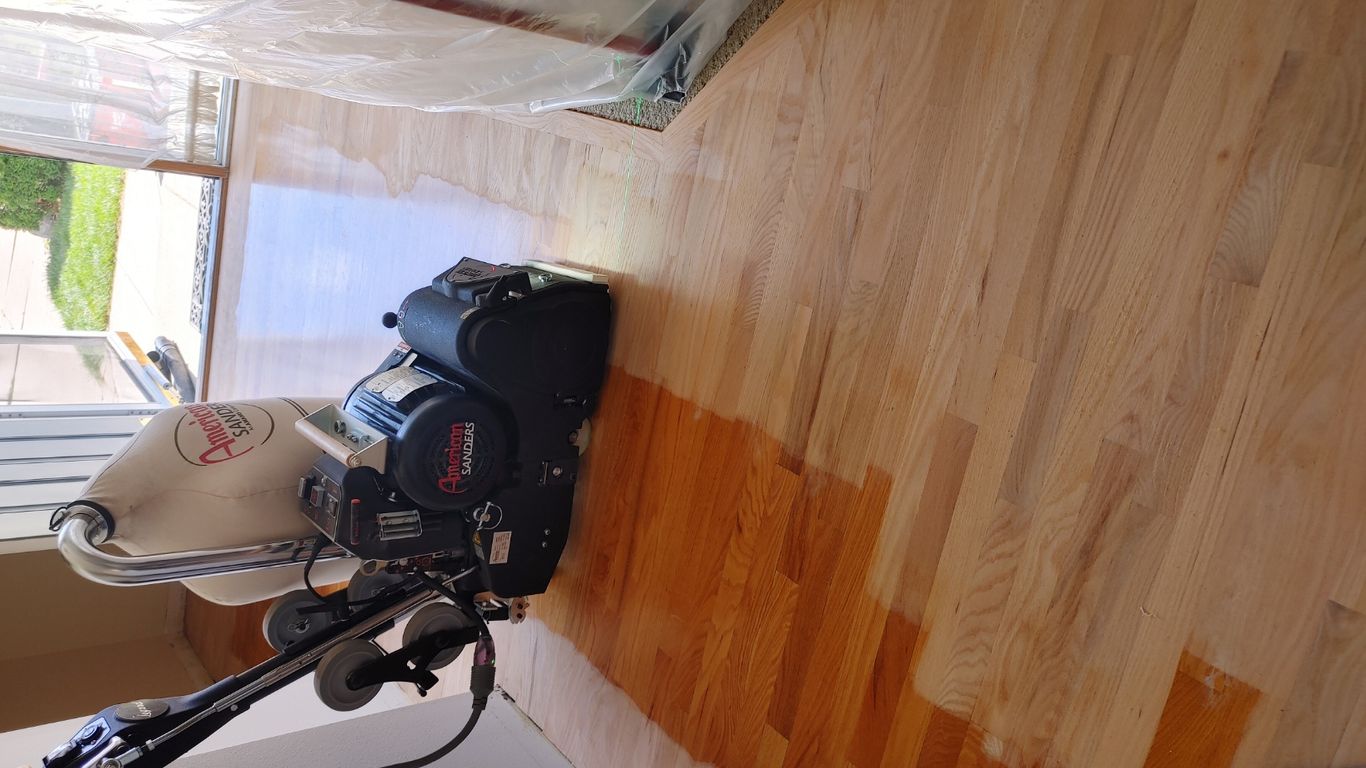
When you want that 'barely there' look, invisible finishes are the way to go. These are designed to protect the wood without changing its natural color or adding a noticeable sheen. Think of that modern, Scandinavian vibe – that's what these finishes aim for. They really let the wood's grain and character shine through. The key here is preparation and a light touch. You're not trying to build up a thick layer; you're aiming for a protective barrier that looks like nothing's there. This means you'll likely need multiple thin coats to get the full protection without any visible build-up. For high-traffic areas, professional-grade two-component (2K) water-based invisible finishes are a solid choice. They offer great abrasion resistance and chemical protection while keeping that natural look. You can expect coverage around 400-500 square feet per gallon per coat, but always check the specific product details.
Oiled Finishes and Their Requirements
Oiled finishes are a bit different from your typical polyurethane. Instead of forming a film on top of the wood, they penetrate the wood fibers. This gives a very natural, matte look and feel, often described as 'in the wood' rather than 'on the wood.' Because they soak in, you might find you use a bit more product initially to get the wood fully saturated. The coverage can vary quite a bit depending on the wood type and how thirsty it is. For instance, a dense hardwood might take less oil than a soft pine. You'll often apply these with a rag or a special applicator, working the oil into the grain. It's not uncommon to need two or even three applications to achieve the desired look and protection. Cleanup for oil finishes usually involves mineral spirits, so keep that in mind for your project supplies.
Two-Component (2K) Systems
Two-component (2K) systems, often water-based polyurethanes, are where you get serious durability. These systems involve mixing a base product with a catalyst or hardener just before you use them. This chemical reaction creates a much tougher, more resilient finish than a single-component product. Because of this, 2K finishes are fantastic for commercial spaces or busy homes with pets and kids. They offer superior resistance to scratches, chemicals, and wear. When it comes to coverage, a typical 2K water-based system might cover around 400-500 square feet per gallon per coat, similar to some high-quality single-component water-based finishes. However, the real benefit is the longevity and performance. You'll usually apply 2-3 coats for residential use and 3-4 for commercial applications to really build that protective layer. Always mix the components according to the manufacturer's instructions; getting the ratio right is key to the finish curing properly and performing as expected. You can find great options like the Loba 2K Duo or Loba 2K Invisible Protect A.T. at Bailey Flooring Supplies, known for their professional-grade quality.
Tools and Techniques Affecting Usage
The tools you pick and how you use them can really change how much polyurethane you end up needing. It’s not just about the product itself; the application method plays a big part in how efficiently you use it.
Roller and Applicator Choices
When you're rolling on polyurethane, the type of roller or applicator makes a difference. A good quality microfiber roller, for instance, tends to hold and spread the finish more evenly than a cheaper one. This means you're less likely to have thick spots that waste product or thin spots that need extra coats. For smaller areas or detailed work, a high-quality brush can work, but you have to be careful not to over-apply. Some pros like using T-bar applicators for their consistent spread, especially on larger floors. Using the right tool for the job means you'll get a smoother finish with less product.
Here’s a quick look at how different applicators might affect your usage:
| Applicator Type | Typical Usage | Potential for Waste | Notes |
|---|---|---|---|
| Microfiber Roller | General floor finishing, larger areas | Low to Medium | Even spread, good product hold |
| High-Quality Brush | Edges, corners, small repairs, detailed work | Medium | Requires careful technique to avoid drips |
| T-Bar Applicator | Large, flat surfaces, consistent flow | Low | Excellent for even, thin coats |
| Pad Applicator | Smaller areas, furniture, touch-ups | Low to Medium | Can be good for control, but check absorbency |
Spray Application Considerations
Spraying polyurethane, especially with an HVLP (High Volume Low Pressure) sprayer, can be really efficient for getting a smooth, even coat. However, it also comes with its own set of considerations. Overspray is the main thing to watch out for. If your spray pattern isn't dialed in right, or if you're spraying in a less-than-ideal environment, you can lose a surprising amount of product to the air and surrounding surfaces. This means you might need to buy more than you initially calculated if you're not careful. On the flip side, a well-calibrated spray setup can lay down a very thin, consistent coat, which can actually save product in the long run compared to multiple heavy roller coats.
Minimizing Waste During Application
No matter what tool you're using, there are always ways to cut down on waste. Always mix only what you think you'll need for a specific session, especially with two-component (2K) finishes where pot life is limited. Clean your tools thoroughly after each use, but do it in a way that doesn't require excessive solvent or water, which can also be a form of waste. If you're using a roller, try to spread the product as thinly and evenly as possible on the first coat. You can always add more later if needed, but it’s harder to take off excess. Properly cleaning and storing your applicators can extend their life and ensure they work efficiently for future jobs.
When you're working with polyurethane, think about the entire process from start to finish. The tools you use, the way you apply the finish, and how you manage your materials all add up. Being mindful of these details can help you use less product and get a better result on your project.
Planning for Touch-Ups and Future Maintenance
Storing Leftover Polyurethane
So, you've finished the job, and there's a bit of polyurethane left in the can. Don't just toss it! Properly storing leftover polyurethane is key to having it ready for future touch-ups. First, make sure the lid is sealed tight. A good trick is to place a piece of plastic wrap directly on the surface of the liquid before putting the lid back on. This helps prevent a skin from forming. If you've got a lot of air in the can, consider transferring the remainder to a smaller, airtight container, like a glass jar, to minimize oxidation. Store these cans in a cool, dry place, away from direct sunlight and extreme temperatures. Freezing temperatures can ruin the finish, and excessive heat can cause it to degrade faster.
Calculating for Future Repairs
When you're figuring out how much extra polyurethane to buy, think about the wear and tear your floor will see. For a typical residential floor, a quart of finish is usually more than enough for touch-ups over several years. For high-traffic areas or commercial spaces, you might want to keep a full gallon on hand, especially if you're using a specific professional-grade product like Loba Easy Finish or a 2K system. It's always better to have a little extra than to run out mid-repair and have to deal with color or sheen differences from a new batch. Remember, the goal is to match the existing finish as closely as possible, and having the same product makes that much easier.
Maintenance Product Quantities
Beyond just the polyurethane topcoat, think about ongoing maintenance. For oiled finishes, products like LOBA Nature Oil Care are designed for regular refreshing. A quart of this type of maintenance product can cover a good amount of square footage, often around 500 sq ft per quart, depending on the application method. For water-based finishes, a good pH-neutral cleaner, like LOBA Parkett Soap R2U, is essential. A gallon of cleaner will last a long time for routine cleaning in most homes. Having these maintenance products on hand means you can keep your floors looking their best without needing a full recoat too often, extending the life of your finish and preserving its appearance.
Common Mistakes That Affect Polyurethane Needs
Over-Application Errors
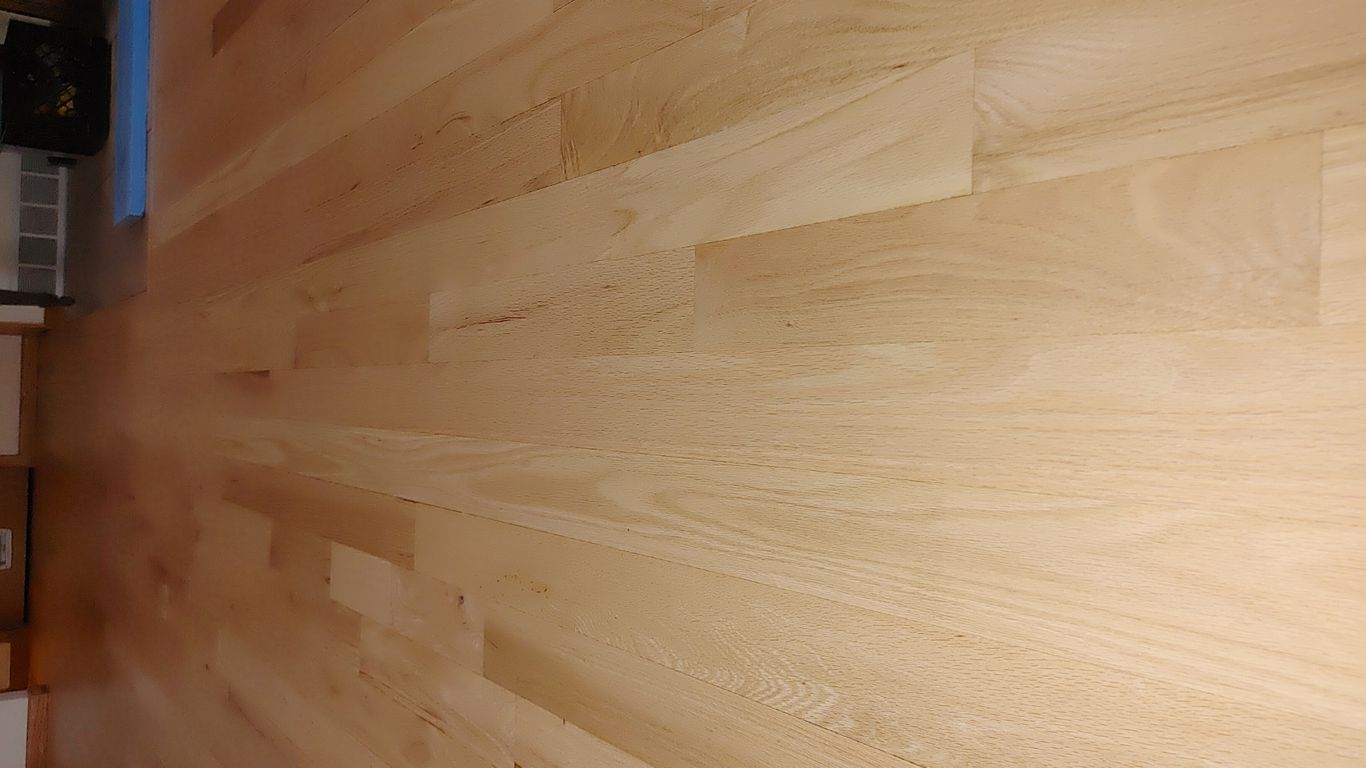
Sometimes, folks think that if a little bit of polyurethane is good, a lot must be better. This isn't true for finishes. Applying polyurethane too thick, especially in a single coat, is a common mistake. It can lead to a finish that doesn't cure properly, resulting in a soft, sticky surface that's prone to scratches and dents. It also means you're using way more product than you need, which is bad for your wallet and the environment. You'll end up with a finish that looks uneven, might have bubbles, and will definitely not perform as intended. Always aim for thin, even coats. If you're unsure, it's better to apply an extra coat than to glob it on.
Under-Application Issues
On the flip side, not using enough polyurethane is just as problematic. This usually happens when you're trying to stretch a gallon too far or when you're not accounting for the porosity of the wood. If you don't apply enough coats, or if the coats are too thin, the wood won't get adequate protection. This leaves the floor vulnerable to wear and tear, moisture, and stains. You might see wear patterns develop quickly in high-traffic areas, or notice that spills soak into the wood. It's a recipe for premature failure of the finish, leading to more work and expense down the line.
Ignoring Manufacturer Guidelines
Every polyurethane product is a bit different. The manufacturer puts a lot of work into testing their product and providing specific instructions for a reason. Ignoring these guidelines is a sure way to run into trouble. This includes not following the recommended number of coats, not adhering to the specified drying and recoat times, or using the wrong application tools. For example, some water-based finishes need a specific type of roller, and using the wrong one can lead to streaks or bubbles. Always read the product label and technical data sheet before you start. It's your best bet for getting the results you want and using the right amount of product. For instance, Loba Easy Finish typically covers around 500 sq ft per gallon per coat, but this can change if you're not applying it correctly Loba Easy Finish.
When calculating how much polyurethane you need, remember that coverage rates are estimates. Factors like wood type, surface preparation, and even ambient temperature can affect how much product you actually use. It's always wise to buy a little extra to account for these variables and potential mistakes.
Sheen Levels and Their Impact on Coverage
When you're picking out polyurethane, you'll notice different sheen levels: matte, satin, semi-gloss, and gloss. It might seem like just an aesthetic choice, but it actually plays a role in how much product you'll use. Think of it this way: higher sheens have more solids in them to create that shine. This means they might cover a little less area per gallon compared to their matte counterparts.
Matte Finish Calculations
Matte finishes are designed to give wood a natural, almost unfinished look. Because they have fewer reflective particles, they tend to have a slightly higher coverage rate. This means a gallon of matte polyurethane might stretch a bit further than a glossier version. For a typical gallon, you're looking at around 500 square feet per coat, but with matte, you might get a touch more, maybe 520-530 sq ft. It’s not a huge difference, but it can add up on larger jobs.
Semi-Gloss and Gloss Requirements
Semi-gloss and gloss finishes contain more additives to create their reflective surfaces. This can slightly reduce the coverage rate. While the difference isn't massive, it's something to keep in mind. You might find that a gallon covers closer to 480-500 square feet for these finishes. It’s always a good idea to check the manufacturer's specific coverage rate on the product label, as formulations can vary. For example, Loba Easy Finish is noted to cover approximately 500 sq ft per gallon per coat, regardless of sheen, but this can vary based on wood porosity and application method.
Consistency Across Sheen Options
Most reputable manufacturers aim for consistency across their product lines. So, if you're using a specific brand, like Loba, the coverage rate for their water-based finishes, whether it's matte, satin, semi-gloss, or gloss, should be pretty similar. The main difference you'll see is in the final look and feel of the floor. It's always best practice to calculate your needs based on the manufacturer's stated coverage, which is often around 500 sq ft per gallon per coat for many professional water-based polyurethanes. Remember, proper surface preparation and thin, even coats are key to achieving the desired sheen and maximizing your product's coverage.
When calculating polyurethane needs, always refer to the manufacturer's specifications for the most accurate coverage rates. While sheen levels can subtly influence coverage, other factors like wood type and application method often have a more significant impact.
The shine level of your flooring finish plays a big role in how well it covers the surface. A glossier finish might show imperfections more, while a matte finish can hide them better. Choosing the right sheen is key to getting that perfect look. Want to learn more about how different finishes affect your project? Visit our website for expert advice and to explore our full range of flooring supplies.
Wrapping It Up
So, we've gone over how to figure out how much polyurethane you'll need for your floor project. It's not just about guessing; it's about knowing your square footage, how many coats the job calls for, and what the product's coverage rate is. Get that right, and you'll save yourself a headache, not to mention some cash. If you're still scratching your head or just want to double-check your numbers, don't hesitate to reach out. We're here to help make sure you've got the right amount of finish to get the job done right the first time.
Frequently Asked Questions
How much polyurethane do I need for my project?
To figure this out, you need to know the total square footage you're covering. Most polyurethanes cover about 350 to 400 square feet per gallon for one coat. Always check the product's label for its specific coverage rate. Remember to multiply this by the number of coats you plan to apply.
Does the type of wood affect how much polyurethane I need?
Yes, it can! Softer woods, like pine, tend to soak up more finish than harder woods, such as oak. This means you might need a little extra polyurethane for softer woods to get the same level of protection. It's a good idea to buy a bit more than your initial calculation just in case.
How many coats of polyurethane are usually recommended?
For most home projects, like floors or furniture, two to three coats are standard. If the area gets a lot of foot traffic, like a busy hallway or a commercial space, you might want to apply three to four coats for extra toughness and to make it last longer.
Is there a difference in how much water-based and oil-based polyurethane covers?
Generally, water-based polyurethanes tend to cover a bit more area per gallon than oil-based ones. They also dry faster, which can make your project go quicker. Oil-based finishes might give a slightly thicker coat, but water-based is often more efficient for larger areas.
Do I need a primer before applying polyurethane?
Using a primer isn't always necessary, but it can help! A primer can make the polyurethane stick better, especially on tricky surfaces, and can help create a more even color. If you decide to use one, check its coverage rate too, as it will add to the total amount of product you need.
How does the application method change the amount of polyurethane needed?
The tool you use matters! Brushing might use a bit more product than rolling. Spraying can be very efficient but also uses more product if not done carefully. Using a high-quality roller or applicator designed for finishes usually gives you the best coverage and less waste.
What happens if I don't buy enough polyurethane?
Running out of polyurethane mid-project can be a real headache. You might end up with uneven color or sheen because the new finish won't blend perfectly with the old. It's always better to have a little extra left over for touch-ups later than to run short when you're almost done.
How do different sheen levels (matte, satin, gloss) affect how much I need?
The sheen level itself doesn't usually change the actual coverage rate of the polyurethane. A gallon of matte finish will cover about the same area as a gallon of gloss finish. The main difference is the look it gives to your surface. Just stick to the product's stated coverage rate regardless of the sheen.

0 comments