

So, you've got some nice wood surfaces, maybe a floor or some furniture, and you want to keep them looking good for a long time. Traditional finishes are okay, but they can wear out, scratch easily, or change the wood's color. That's where advanced polymer coatings come in. They're like a super-powered shield for your wood, offering way more protection and keeping that natural look you love. Let's talk about how this stuff works and why it might be just what you need for your next project.
Key Takeaways
- Advanced polymer coatings offer better protection for wood than older finishes, resisting scratches and moisture.
- These modern finishes can keep the wood's natural color and grain looking just as they did before, without yellowing over time.
- Applying polymer coatings properly is important, starting with good surface prep and using the right techniques.
- Choosing the right polymer coating depends on how much wear the surface will get and the look you're going for.
- Water-based polymer systems are easier to work with, dry faster, and are better for the environment.
Understanding Advanced Polymer Coatings for Wood
The Science Behind Polymer Protection
So, what exactly is a polymer coating for wood, and how does it work? Think of it like a shield for your floors. Polymers are large molecules made up of repeating smaller units. When applied to wood, these molecules form a continuous film that bonds to the surface. This film acts as a barrier, protecting the wood from everyday wear and tear. Unlike older finishes, modern polymer coatings are engineered at a molecular level to be tough, flexible, and resistant to a lot of things that can damage wood. They're designed to fill in the tiny pores and imperfections of the wood, creating a smooth, protective layer that's hard to scratch or dent. It’s a pretty neat bit of chemistry that makes a big difference in how long your wood surfaces last.
Benefits of Modern Polymer Coatings
These new finishes are a game-changer for wood protection. For starters, they offer incredible durability. We're talking about resistance to scratches, scuffs, and even spills that would normally ruin a traditional finish. Plus, they're often much clearer than older finishes, meaning they don't add a heavy amber tone to the wood. This lets the natural beauty of the wood grain really shine through. Another big plus is how fast they dry. This means you can get back to using your floors much sooner, which is a huge deal for contractors and homeowners alike. And let's not forget about the environmental side; many of these modern coatings are low in VOCs (volatile organic compounds), making them a healthier choice for indoor air quality.
Distinguishing Polymer Finishes from Traditional Sealants
It's easy to get confused between polymer finishes and what people used to call sealants or varnishes. Traditional sealants often just sat on top of the wood, offering some protection but prone to chipping and scratching over time. They could also yellow significantly, changing the look of the wood. Polymer coatings, on the other hand, are more advanced. They penetrate and bond with the wood on a deeper level, creating a more integrated and resilient protective layer. Think of it like the difference between a raincoat and a full-body suit of armor. Polymer finishes are engineered for longevity and a more natural look, often maintaining the wood's original color and grain pattern without that heavy, artificial sheen. They're built to last and look good doing it.
Achieving Superior Durability with Polymer Finishes
When you're working with wood, especially for floors or high-use furniture, you want a finish that's going to hold up. That's where advanced polymer coatings really shine. They're not like the old varnishes we used to deal with. These modern finishes are built tough.
Enhanced Abrasion and Scratch Resistance
One of the biggest headaches with wood finishes is how easily they can get scratched or worn down, especially in places where people walk a lot. Think about entryways, kitchens, or even just the main living area. Polymer coatings create a really hard surface. We're talking about a finish that can take a beating from shoes, pet claws, and furniture being moved around without showing it too much. It's a noticeable difference compared to older finishes. This means your wood stays looking good for longer, which is what we all want.
Chemical and Moisture Barrier Properties
Wood and liquids don't always get along. Spills happen, and moisture from the air can cause problems over time. Advanced polymer finishes act like a shield. They form a barrier that stops spills, cleaning products, and even just everyday humidity from soaking into the wood. This is super important for preventing stains, warping, and that general wear and tear that can make wood look dull and old. It's a solid defense against common household accidents.
Long-Term Performance in High-Traffic Areas
For any job that's going to see a lot of action, you need a finish that can keep up. Professional-grade polymer coatings are designed for exactly this. They're formulated to maintain their integrity and appearance even after years of heavy use. This means fewer callbacks for you and happier clients. The science behind these finishes means they don't just look good when they're first applied; they keep performing. We've seen finishes that hold up in busy commercial spaces, and that kind of durability translates directly to residential projects too. It's about investing in a finish that lasts, saving time and money in the long run.
Choosing a high-quality polymer finish means you're not just protecting the wood; you're investing in its longevity and appearance for years to come. It's about peace of mind knowing the surface can handle daily life.
When you're looking for that kind of protection, consider options like the Bona Pro Series 18" Hardwood Floor Care System for cleaning, which complements durable finishes. For a top-tier finish itself, products like Loba 2K Invisible Protect A.T. are built for this kind of demanding performance.
Preserving Natural Wood Aesthetics
Maintaining the Natural Grain and Color
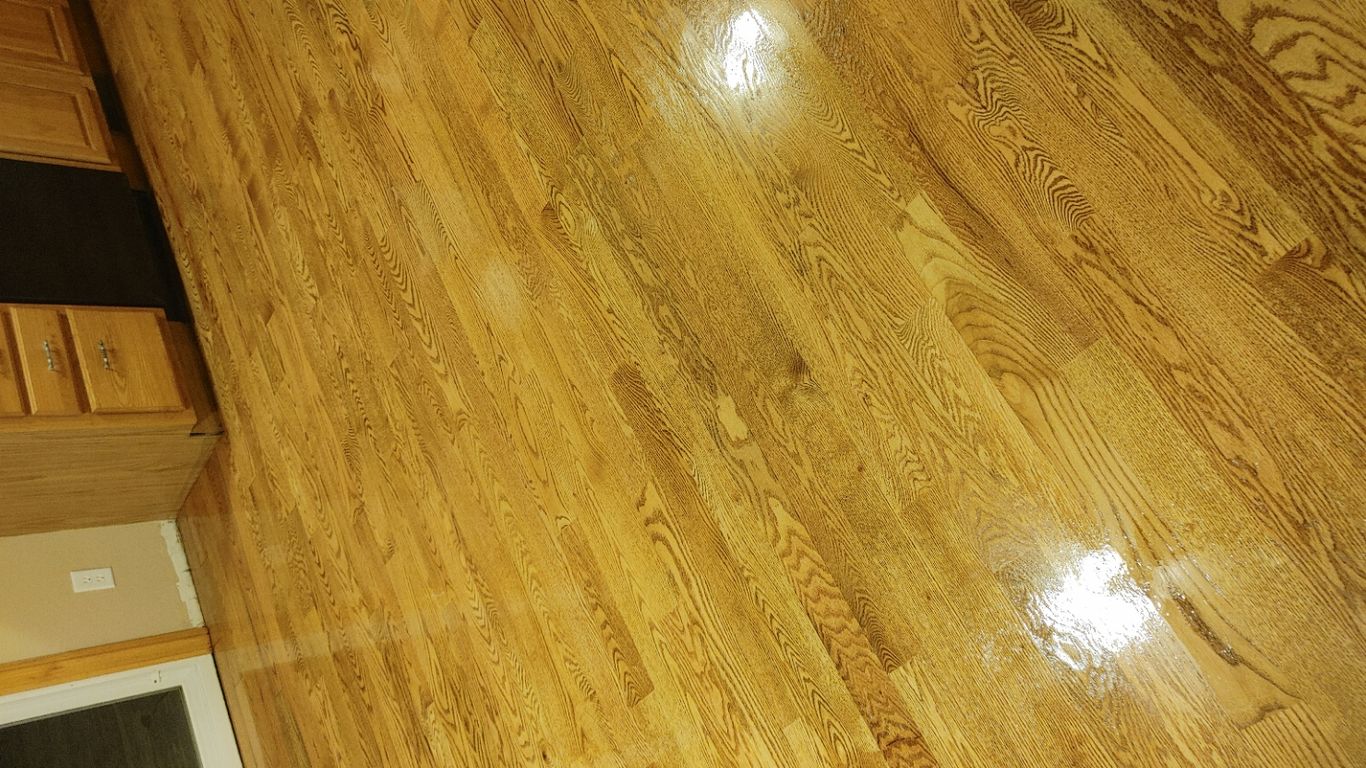
When you're working with beautiful wood, the last thing you want is a finish that hides its natural character. Modern polymer coatings are designed to do just the opposite. They create a protective layer that doesn't obscure the wood's inherent beauty. The goal is to let the wood speak for itself, with the finish acting as a clear shield. This means the grain patterns, the subtle color variations, and the overall texture remain visible and untouched. It’s like putting a pane of perfectly clear glass over a stunning photograph – you see the image, not the glass. This approach is especially important for premium woods like oak, walnut, or maple, where the natural look is a major selling point. You get all the protection without sacrificing the visual appeal that drew you to the wood in the first place.
Achieving Ultra-Matte and Invisible Looks
Forget those old finishes that always left a noticeable sheen, making wood look artificial or plastic-like. Today's advanced polymer coatings offer options that are practically invisible. We're talking about ultra-matte finishes that have almost no reflection. They look and feel like raw, unfinished wood, but with all the durability of a high-performance coating. This is perfect for that modern, minimalist, or Scandinavian-inspired look where you want the wood to feel natural and understated. It’s a subtle elegance that doesn’t shout for attention but rather enhances the quiet beauty of the material. If you want your wood to look like it’s not even finished, these coatings are the way to go.
Avoiding Yellowing Over Time
One of the biggest headaches with older wood finishes was how they’d yellow or amber over time, especially when exposed to UV light. This completely changes the original color of the wood, often making it look dated or just plain wrong. The new generation of water-based polymer finishes, like those from Bailey Flooring Supplies, are formulated to resist this yellowing. They maintain their clarity year after year. This means that the beautiful light tones of your maple floor or the rich browns of your oak table will stay true to their original appearance. It’s a long-term commitment to preserving the look you started with, without the worry of the finish degrading and altering the color.
Professional Application Techniques for Polymer Coatings
Surface Preparation Essentials
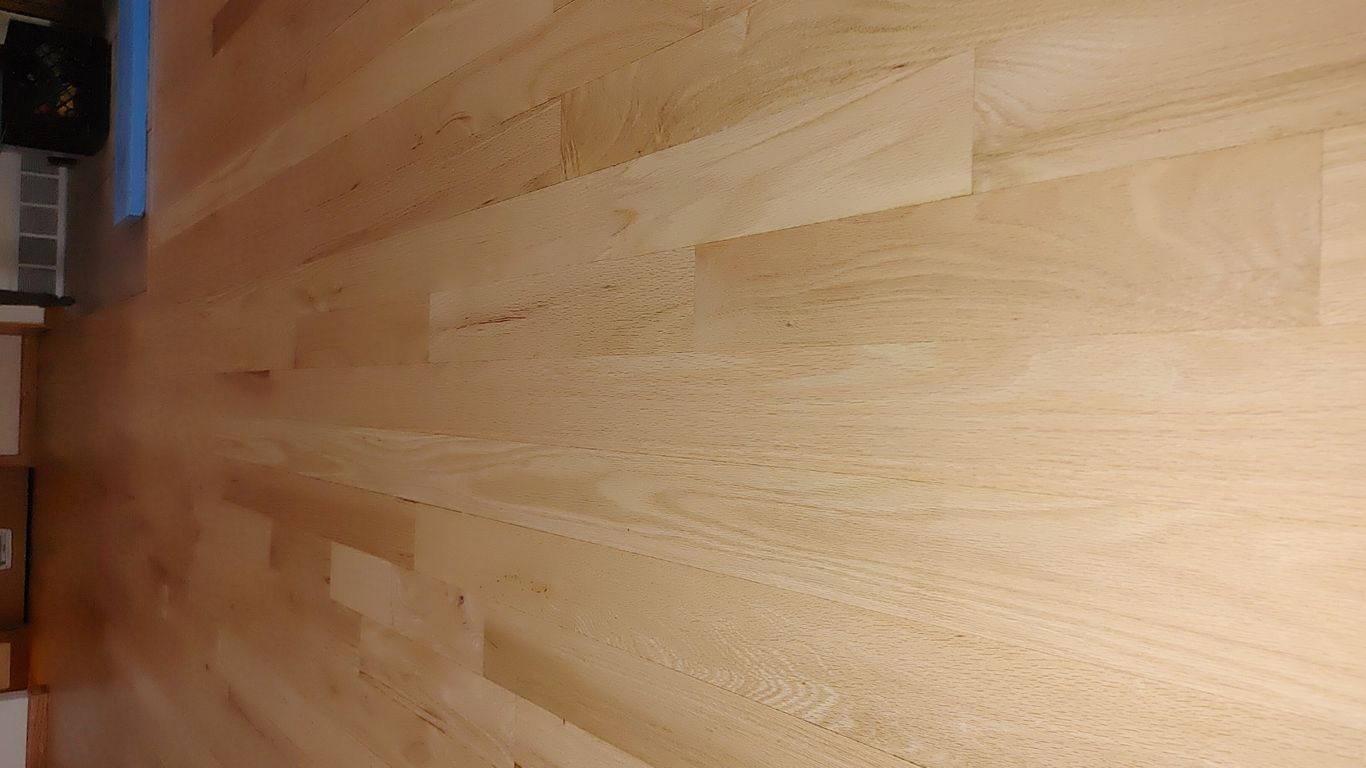
Getting the surface ready is probably the most important step. If you skip this, you're asking for trouble down the road. First off, you need to get rid of absolutely everything – dust, dirt, old wax, grease, you name it. A good vacuum is your best friend here, followed by a thorough wipe-down. If there's any old finish or damage, you'll want to sand it down. Use the right grit sandpaper, working your way up to a fine grit for a smooth surface. The goal is a clean, dry, and perfectly smooth canvas. After sanding, vacuum again and then use a tack cloth or a slightly damp microfiber cloth to pick up any lingering fine dust. Seriously, don't skimp on this part; it makes all the difference.
Proper Mixing and Application of Two-Component Systems
Many of the best polymer finishes are two-component (2K) systems. This means you've got a base and a hardener that need to be mixed together. It's super important to follow the manufacturer's instructions exactly. Usually, it's a specific ratio, and you need to mix it thoroughly but not so vigorously that you whip a ton of air into it. Once mixed, there's usually a pot life – a window of time you have to use it before it starts to cure in the can. So, only mix what you can use within that time. For application, use a high-quality applicator, like a good microfiber roller or a T-bar applicator designed for water-based finishes. Apply it in thin, even coats. Trying to put it on too thick can lead to problems like uneven drying or a gummy finish. You'll want to work in manageable sections, maintaining a wet edge to avoid lap marks.
Achieving a Uniform, Streak-Free Finish
Getting that smooth, even look takes a bit of practice. The key is consistent application. Always work in the direction of the wood grain. If you're using a roller, keep a steady pressure and overlap your passes slightly. For T-bar applicators, a smooth, gliding motion is best. Don't go back over areas that have already started to dry, as this will definitely cause streaks. If you notice any imperfections or dust nibs after a coat has dried, you can lightly buff the surface with a fine abrasive screen (like 220 or 320 grit) and then thoroughly clean off all the dust before applying the next coat. This inter-coat abrasion is vital for a smooth final appearance. Remember, patience and a steady hand go a long way here. For the best results, consider using a high-quality applicator like the Bona 1/4" x 1/4" Trowel, which is designed for even product spread.
Proper application isn't just about looks; it's about how the finish performs over time. A well-applied coat creates a uniform barrier that protects the wood evenly, preventing weak spots where moisture or wear can eventually cause damage. It's the difference between a floor that looks great for years and one that starts showing its age prematurely.
When you're ready to clean up after using water-based finishes, you'll find it's a breeze. Unlike oil-based products, you can usually just use water and soap. This makes cleaning your tools much simpler and faster. For routine cleaning of your finished floors, products like Bona Deep Clean are excellent choices, designed to maintain the finish without causing damage.
Choosing the Right Polymer Coating for Your Project
Picking the right finish for your wood project can feel like a big decision. It's not just about how it looks right now, but how it's going to hold up over the years. We've all seen those floors or furniture pieces that looked great for a while but then started showing wear and tear way too soon. That's where understanding your options really pays off.
Evaluating Traffic and Wear Requirements
First off, think about how much action the surface is going to see. A quiet bedroom floor is a whole different ballgame compared to a busy kitchen or a commercial entryway. For high-traffic areas, you need something tough. We're talking about finishes that can handle constant foot traffic, pets, and maybe even kids dragging toys across it. Products like Loba 2K Invisible Protect A.T. are built for this kind of abuse, offering superior abrasion resistance that keeps your floors looking good longer. It's about matching the finish's durability to the demands of the space.
Selecting Sheen Levels for Desired Appearance
Sheen is a big part of the look, and it's more than just shiny or dull. You've got options ranging from ultra-matte, which almost looks like there's no finish at all, to high gloss. An ultra-matte finish, like what you might get with certain water-based polyurethanes, can give you that natural, raw wood look that's really popular right now, especially with lighter woods like white oak. On the other hand, a satin or semi-gloss can add a bit of depth and subtle shine without being overpowering. It really comes down to the aesthetic you're going for and how you want the wood's natural beauty to show through. Remember, a higher sheen can sometimes highlight imperfections more than a lower sheen.
Compatibility with Different Wood Species
Not all finishes play nicely with all types of wood. Some woods, like certain exotics or even some domestic species, can have oils or tannins that might react with a finish, causing issues like slow drying or discoloration. It's always a good idea to check if the coating you're considering is suitable for your specific wood species. For instance, using a primer like LOBA Amber Prime can help create a stable base, especially on woods prone to color changes, giving you a more predictable and consistent result. If you're unsure, it's best to consult the manufacturer's guidelines or reach out for expert advice. Getting this right from the start saves a lot of headaches down the road. You can find helpful product information and support at Bailey Flooring Supplies, where they focus on professional-grade solutions for all sorts of projects. Check out their hardwood floor care kit for maintenance after application.
The Advantages of Water-Based Polymer Systems
When you're looking at finishes for hardwood floors, especially if you're a pro contractor, you've probably noticed how much the game has changed. Gone are the days when you were stuck with finishes that took forever to dry and smelled like a chemical factory. Water-based polymer systems are where it's at now, and for good reason. They really make a difference in how you work and the final look of the floor.
Low Odor and Low VOC Benefits
This is a big one, especially if you're working on floors in homes where people are living. Traditional finishes, you know, the oil-based ones, they put out a lot of Volatile Organic Compounds (VOCs). That means strong smells and air quality issues that can really bother homeowners, not to mention the guys doing the work. Water-based finishes, though? They're way better. They have much lower VOCs and a much milder odor. This means you can often get people back into their homes sooner, and the whole process is just more pleasant for everyone involved. It's a healthier choice for the job site and for the people who will be living with the finished floor.
Faster Drying and Recoat Times
Time is money in this business, right? Waiting around for finishes to dry can really slow down a project. Water-based systems are formulated to dry much faster than their oil-based counterparts. We're talking about being able to recoat in just a few hours, sometimes even less, depending on the product and conditions. This means you can get more done in a day, finish jobs quicker, and move on to the next project. It's a huge advantage for keeping your schedule tight and your business running smoothly. You can get those multiple coats on and have the floor ready for light traffic much faster.
Easy Cleanup with Water
Think about cleaning up after a job. With oil-based finishes, you need mineral spirits or other strong solvents. That's messy, it's smelly, and it's an extra cost. Water-based finishes? Cleanup is as simple as using soap and water. Your brushes, rollers, and any spills can be cleaned up easily with just water. This saves you time, reduces the need for harsh chemicals, and makes the whole cleanup process a lot less of a hassle. It's a small thing, but when you're doing this day in and day out, it really adds up. For a professional-grade finish that's easier to work with and clean up, check out the options at Bailey Flooring Supplies. They have a good selection of water-based finishes that pros trust.
Maintaining Your Polymer-Coated Wood Surfaces
Keeping your newly finished wood floors looking sharp is pretty straightforward, honestly. It’s not like the old days where you had to worry about special waxes or polishes that could mess up the finish. With these advanced polymer coatings, it’s mostly about regular cleaning and avoiding the obvious stuff.
Routine Cleaning Best Practices
For day-to-day upkeep, just stick to sweeping or vacuuming. A good quality broom or a vacuum with a soft brush attachment works wonders. This gets rid of the grit that can scratch the finish over time. When you need to do a more thorough clean, use a damp mop. The key is to use a cleaner specifically made for finished wood floors. You don't want anything too harsh or anything that leaves a residue. A pH-neutral cleaner is your best bet.
- Sweep or vacuum daily/as needed.
- Use a damp mop for deeper cleaning, not a soaking wet one.
- Always use a cleaner designed for finished wood.
Recommended Maintenance Products
When it comes to cleaning products, sticking with what the finish manufacturer recommends is usually the safest bet. For water-based finishes, a good cleaner like LOBA Parkett Soap R2U is a solid choice. It’s ready to go right out of the bottle and won't leave any dulling film behind. If you have oiled wood floors that have been coated, a maintenance oil like LOBA Nature Oil Care can help refresh and protect the finish, keeping that natural look alive.
Avoid using abrasive cleaners, ammonia-based products, or furniture polishes. These can break down the polymer coating over time, leading to a dull appearance or even damage.
Extending the Lifespan of the Finish
Little things can make a big difference in how long your finish lasts. Putting felt pads on the legs of furniture is a no-brainer. It stops chairs and tables from scratching the floor when they get moved. Also, try to manage humidity levels in your home; extreme fluctuations can stress the wood and the finish. For high-traffic areas, consider using a good floor mat at entryways to catch dirt and moisture before it gets tracked onto the wood. A quality cleaning tool like the Bona Pro Series Hardwood Premium Mop can also help make the cleaning process more efficient and less likely to cause wear.
Professional-Grade Polymer Coatings for Contractors
Why Professionals Trust Advanced Polymer Finishes
Look, when you're on a job, time is money, right? You need products that work, and work well, the first time. That's where these professional-grade polymer finishes come in. They're not like the stuff you grab off the shelf at the big box store. These are formulated for pros, meaning they're built tough. We're talking about finishes that can handle serious foot traffic, spills, and whatever else life throws at a floor, whether it's in a busy family home or a commercial space. Using these advanced coatings means fewer callbacks and happier clients.
Reliable Performance and Fewer Callbacks
It's simple: when you use a quality product, you get a quality result. These water-based polymer systems are designed for consistency. They lay down smooth, dry predictably, and cure into a hard, protective layer. This means you're not going back to fix scratches or deal with finish failures. For us tradesmen, that reliability is gold. It builds your reputation and keeps your schedule on track. You can trust that a properly applied two-component (2K) finish will hold up, keeping its clarity and protection for years. It’s about peace of mind on every project.
Accessing Expert Product Knowledge and Support
Sometimes, you just need a little help or advice. That's another big plus with professional-grade products. The companies that make these finishes often have support teams who know their stuff inside and out. They can help you figure out the best product for a specific job, troubleshoot application issues, or even help with coverage calculations. It’s like having an extra expert in your corner. For example, if you're unsure about the best primer for a tricky wood species, reaching out for advice can save you a lot of headaches down the line. Bailey Flooring Supplies, for instance, focuses on providing that kind of support, making sure you have the right tools and knowledge for success. They can help you pick out the right water-based finish for your needs.
Our top-notch polymer coatings are built for pros like you. They offer amazing protection and a great finish for any job. Want to see what makes them so good? Check out our selection of professional-grade coatings today and give your projects the best.
Wrapping It Up
So, there you have it. Using these advanced polymer coatings isn't just about making wood look good; it's about making it last. We've seen how they stand up to daily wear and tear, spills, and all that life throws at a floor, especially in busy homes. Plus, getting that natural, matte look is easier than ever, keeping the wood's true character front and center. For us pros, this means fewer headaches down the road and happier clients. It’s a solid upgrade that pays off, making sure the floors we lay stay beautiful for years to come. Definitely worth looking into for your next job.
Frequently Asked Questions
What exactly are advanced polymer coatings for wood?
Think of advanced polymer coatings as a super-strong, clear shield for wood. They're made from special plastic-like materials that form a tough layer when they dry. This layer protects the wood from scratches, spills, and everyday wear and tear, making it last much longer.
How are these coatings different from old-school wood finishes?
Older finishes, like some varnishes or waxes, might offer some protection, but polymer coatings are way tougher. They create a more solid barrier that's much harder to scratch or damage. Plus, many new polymer coatings dry clear and don't turn yellow over time like some older ones can.
Will a polymer coating make my wood look fake or plastic-y?
Not at all! Many advanced polymer coatings are designed to look completely natural. Some even give an 'invisible' finish that highlights the wood's natural grain and color without adding any shine. You can choose different levels of shine, from super-matte to a bit more glossy.
Are these coatings hard to put on?
Applying them correctly is key! It's important to clean and sand the wood perfectly first. Some coatings come in two parts that you need to mix together just right. If you follow the instructions carefully, you can get a smooth, even finish that looks great.
Can I use these coatings on floors that get a lot of foot traffic?
Yes, absolutely! That's one of the best things about advanced polymer coatings. They are made to be super tough and resist scratches and wear, making them perfect for busy areas like hallways, entryways, or even places with pets.
Are there any special cleaning or care instructions for wood with polymer coatings?
Taking care of it is pretty simple. Regular dusting or vacuuming is usually enough. For spills, just wipe them up quickly. It's best to use cleaners recommended by the coating manufacturer and avoid harsh chemicals that could damage the protective layer.
What does 'water-based' mean for these coatings, and is it better?
Water-based means the coating uses water as its main liquid, not strong chemicals. This makes them much better for your health because they have less smell and fewer harmful fumes (called VOCs). They also dry faster and are easier to clean up with just soap and water.
How long will a polymer coating last on my wood?
When applied correctly and cared for properly, advanced polymer coatings can last for many years, often a decade or more. They are designed for long-term protection, meaning you won't have to reapply them very often, saving you time and effort.

0 comments