

So, you're looking to get your floors just right for that next project. Whether it's a big remodel or just a small refresh, picking the right finish for your wood floors can feel like a lot. It's not just about making things look pretty; it's about making them last. We're going to break down the whole wood flooring specification process, from the type of finish to how to put it on. Don't worry, we'll keep it simple and straightforward.
Key Takeaways
- Understanding the different types of wood flooring finishes, like water-based polyurethanes and oil-based options, is the first step in making the right wood flooring specification.
- Specifying performance requirements means thinking about how durable the finish needs to be, its resistance to chemicals and moisture, and how it will look over time.
- Choosing the right sheen level, from matte for a natural look to gloss for maximum shine, plays a big role in the final appearance of your wood flooring specification.
- Proper surface preparation, including cleaning and sanding, is super important for any finish to stick well and last.
- When it comes to applying finishes, knowing the right techniques, dry times, and how much product you need is key to a successful wood flooring specification and a great-looking floor.
Understanding Wood Flooring Finish Types
The Rise of Water-Based Polyurethanes
When it comes to finishing hardwood floors, things have really changed over the years. Gone are the days when your only real options were smelly oil-based finishes that took forever to dry. Now, water-based polyurethanes are the go-to for a lot of pros, and for good reason. They've gotten so good that they can stand up to pretty much anything you throw at them. We're talking about finishes that are tough, look great, and are way better for the air quality in your home or on the job site. It's a big shift, and honestly, it makes the whole process of finishing floors a lot more manageable. You can get a beautiful, durable finish without the headaches of the old-school stuff.
Key Advantages of Modern Finishes
Modern finishes, especially the water-based ones, bring a lot to the table. One of the biggest wins is how fast they dry. We're talking about being able to recoat in just a few hours, not a full day. This speeds up projects like crazy. Plus, the low VOC (volatile organic compounds) content means less odor and a healthier environment for everyone. You don't have to worry as much about fumes lingering for weeks. They also dry crystal clear, meaning they won't yellow over time like some older finishes did, keeping your wood looking natural. Cleanup is usually just soap and water, which is a huge relief after a long day of work. It really simplifies the whole finishing process.
Oil-Based vs. Water-Based: A Trade Perspective
From a tradesman's point of view, the switch to water-based finishes is a no-brainer for most jobs. Oil-based finishes still have their place, especially if you want that deep, amber tone that ages with the wood, or for certain types of wood that really benefit from that deep penetration. They're known for being really durable, too. But the downsides are significant: long dry times, strong fumes, and tough cleanup. Water-based finishes, on the other hand, offer speed, low odor, and easy cleanup. The performance gap has closed so much that for many applications, water-based is simply the smarter choice. It means faster project completion and happier clients who can get back into their homes sooner. We've seen a lot of contractors moving towards water-based systems because of these benefits. For example, products like Loba Easy Finish are designed for professional durability and user-friendly application, making them a solid choice for both commercial and residential projects. You can find great options for water-based finishes that offer a good balance of performance and ease of use.
| Feature | Water-Based (e.g., Loba Easy Finish) | Oil-Based |
|---|---|---|
| Dry Time | 2-3 hours recoat | 8-24 hours recoat |
| Odor/VOCs | Low | High |
| Cleanup | Water | Mineral Spirits |
| Color | Crystal clear, non-yellowing | Amber tone, yellows over time |
| Durability | Excellent | Excellent |
Specifying Finish Performance Requirements
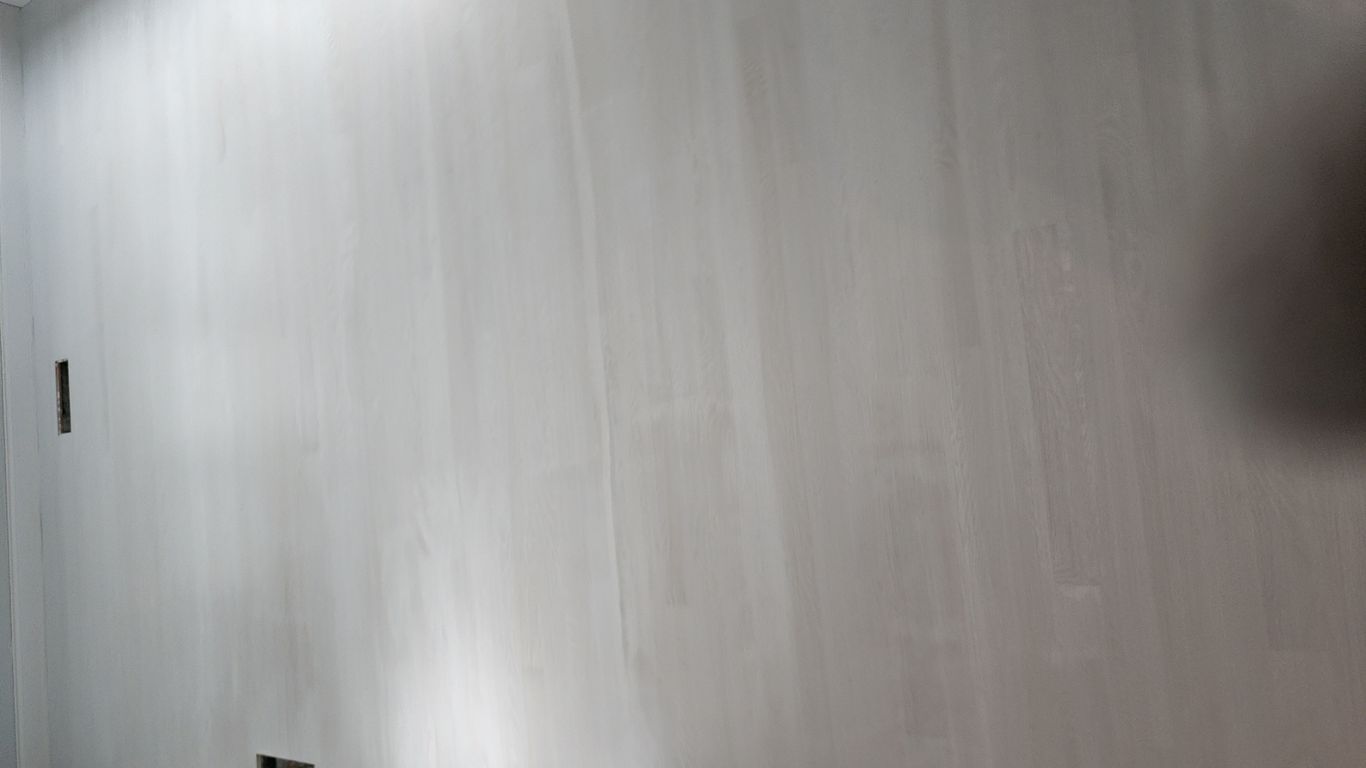
When you're picking out a finish for a hardwood floor, it's not just about how it looks. You've got to think about how it's going to hold up over time, especially in places where people walk a lot. This is where specifying performance requirements comes in. It's about making sure the finish you choose can handle the job.
Durability for High-Traffic Areas
Floors in busy homes or commercial spots take a beating. We're talking about constant foot traffic, furniture moving, and maybe even pets. For these areas, you need a finish that's tough. Professional-grade, two-component (2K) water-based finishes are built for this. They create a really strong surface that resists scratches and wear. A good 2K finish means fewer callbacks and a floor that looks good for years.
- Superior abrasion resistance
- Long-term wear protection
- Holds up to daily use
Chemical and Moisture Resistance
Accidents happen. Spills, cleaning products, and even just regular cleaning can affect a finish if it's not up to par. You want a finish that can stand up to common household chemicals and moisture without getting damaged. This means the finish won't easily get dull, stained, or damaged by everyday spills. It's about protecting your investment from common household mishaps.
Long-Term Clarity and Non-Yellowing Properties
Nobody wants a floor that turns yellow or cloudy after a year or two. Modern water-based finishes are designed to stay clear. They protect the wood without changing its natural color or developing that unwanted amber tone over time. This is especially important if you're going for a natural or light wood look. You want the finish to maintain its clarity and let the wood's true beauty show through for the life of the floor. This is a big reason why many pros are switching from older oil-based finishes. You can find great options for water-based finishes that offer this clarity.
Choosing a finish that maintains its original appearance is key to customer satisfaction and the longevity of the floor's aesthetic appeal. It's about preserving the natural beauty of the wood, not masking it with an aging finish.
Selecting the Right Sheen Level
Choosing the right sheen for your wood floor finish is more than just picking a look; it's about balancing aesthetics with practicality. The sheen level affects how light reflects off the floor, influencing the perceived color and texture of the wood, as well as how visible everyday wear and tear might be. It’s a detail that can really make or break the final appearance of your project.
Matte Finishes for a Natural Look
If you're going for that super natural, almost unfinished look, matte is the way to go. It really lets the wood's grain and natural color shine through without any glare. It feels soft underfoot and gives off a really modern, understated vibe. This is perfect for those contemporary designs or when you want the wood itself to be the star. It’s also pretty forgiving when it comes to hiding minor scuffs and scratches because there’s no shine to highlight them. For a truly raw wood aesthetic, consider a finish like Loba Hybrid in an extra-matte sheen.
Satin and Semi-Gloss for Subtle Luster
Satin and semi-gloss sheens offer a nice middle ground. Satin has a soft, low-sheen look that’s a bit more reflective than matte, giving the wood a gentle warmth and depth. Semi-gloss steps it up a notch, providing a bit more shine and making the wood color pop a little more. Both are popular choices because they offer a good balance of showing off the wood's beauty while still being practical for daily life. They’re not so shiny that every little speck of dust is obvious, but they have enough luster to make the floor look finished and inviting. Many professional-grade finishes, like Loba 2K Duo, are available in these versatile sheens.
Gloss Finishes for Maximum Shine
For a dramatic, high-impact look, gloss finishes are the choice. They reflect a lot of light, making the wood appear richer and deeper in color. This high-shine look can make a space feel more luxurious and grand. However, it's important to know that gloss finishes will show more imperfections, like scratches and dust, than lower sheens. They require a bit more diligent maintenance to keep them looking their best. If you're aiming for a statement floor that really catches the eye, a gloss finish can be stunning. You can find options like Loba 2K Supra A.T in a high-gloss variant.
Choosing Professional-Grade Wood Stains
When you're looking to really make a hardwood floor pop, the stain you pick is a big deal. It's not just about slapping some color on; it's about how that color goes on, how deep it gets into the wood, and how it holds up over time. We're talking about professional-grade stuff here, the kind that contractors trust for jobs that need to look good and last.
Oil-Based Stains for Deep Penetration
Oil-based stains have been around forever, and for good reason. They really soak into the wood, giving you a rich, deep color that feels like it's part of the wood itself, not just sitting on top. This deep penetration means the color is less likely to wear off quickly, even in high-traffic spots. Plus, they tend to have a longer open time, meaning you have more time to work with it, blend out any mistakes, and get a really smooth, even finish. This is especially helpful if you're working with tricky wood species or trying to achieve a specific, classic look. Brands like LOBA offer oil-based options that are known for their consistency, which is a lifesaver when you're trying to match colors or work on large areas.
Water-Based Stains for Quick-Dry Applications
Now, water-based stains are the newer kids on the block, and they've really come into their own. The biggest draw here is speed. They dry a lot faster than oil-based stains, which can be a game-changer if you're on a tight schedule. Think about it: you can stain a floor and move on to the next step much sooner. This also means less downtime for the homeowner. While they might not penetrate quite as deeply as oil-based stains, modern water-based formulas are really good at providing vibrant color and excellent coverage. They're also easier to clean up – usually just soap and water. For projects where you need to get in and out quickly without sacrificing quality, water-based stains are a solid choice. Many professional lines now offer water-based options that perform just as well as their oil-based counterparts.
Understanding Color Consistency and Selection
Getting the color right is probably the most important part of staining. You can have the best application technique in the world, but if the color is off, the whole project can suffer. That's where professional-grade products really shine. They're formulated for consistency, meaning if you buy the same stain a year from now, it'll look the same. This is huge for repairs or additions down the line. When you're selecting a color, always test it on a scrap piece of the actual wood you'll be using, or on an inconspicuous area of the floor itself. Different wood species take stain differently. Oak might look great with a Jacobean stain, but that same stain on pine could look completely different. It's also worth looking at stain charts and fan decks from reputable brands. These tools show you how colors appear on different wood types and can help you avoid surprises. Remember, the final look also depends on the finish you apply over the stain, so keep that in mind during your selection process. For a wide range of professional stains and expert advice on color matching, Bailey Flooring Supplies is a great place to start your search.
Essential Surface Preparation for Finishes
Alright, let's talk about getting your wood floors ready for a finish. This part is super important, maybe even more than the finish itself. If you mess this up, the best finish in the world isn't going to look good or last.
Thorough Cleaning and Debris Removal
First things first, you gotta get the floor clean. I mean really clean. We're talking about getting rid of every speck of dust, dirt, grease, wax, or anything else that might have gotten on there. If it's a new install, you might just have sawdust. If it's a refinish, you've got old finish, maybe some grime from people walking on it. Whatever it is, it needs to go.
- Vacuum thoroughly: Get into every corner and crevice. A good shop vac is your best friend here.
- Wipe down with a recommended cleaner: For most jobs, a good quality wood floor cleaner that doesn't leave residue is key. Something like LOBA Parkett Soap R2U works well because it's ready to go and doesn't leave that sticky film.
- Check for any old adhesives or spills: Sometimes you find stubborn spots that need a little extra attention. Don't just leave them.
Skipping this step is like trying to paint a dirty car. The dirt just gets trapped under the new paint, and it never looks right.
Proper Sanding Techniques for Optimal Adhesion
Sanding is where you really create the surface for your finish to grab onto. You're not just trying to make it smooth; you're creating a profile for adhesion. For a refinish, you're removing the old finish and leveling the wood. For a new install, you're just making sure it's perfectly flat and smooth.
- Start with the right grit: This depends on the condition of the floor. For a full refinish, you might start with 36 or 60 grit and work your way up. For a screen and recoat, you might just use a fine grit screen.
- Progress through grits: Don't skip grits. Each grit removes the scratches from the one before it. A common progression might be 60, 80, 100, 120, or 150 grit. The final grit is important for how the finish looks and adheres.
- Sand with the grain: Always, always, always sand in the direction of the wood grain. Going against it leaves scratches that are super hard to get out later.
- Edge sanding and detail work: Don't forget the edges and any tight spots. Use an edge sander and detail sander to get everything uniform.
Final Dust Removal Protocols
This is the last chance you have to get rid of dust before you apply finish. Seriously, don't skimp here. A single dust bunny can ruin a whole section of floor.
- Vacuum again: After sanding, vacuum everything up. Pay extra attention to baseboards and corners.
- Tack cloth or microfiber wipe: Use a good quality tack cloth or a clean, lint-free microfiber cloth dampened with a wood floor cleaner or a specific dust-control product. Wipe the entire floor down. Work in sections and switch to a clean part of the cloth frequently.
- Let it settle: If possible, let the room sit for a bit after dusting to let any airborne particles settle before you start applying finish. Turn off any fans or HVAC systems that might stir up dust.
Getting the surface prepped right is the foundation for a beautiful, long-lasting finish. It takes time and attention to detail, but trust me, it's worth every minute.
Application Techniques for Superior Results
Mixing and Applying Two-Component Systems
When you're working with two-component (2K) finishes, getting the mix right is the first big step. These systems have a base and a catalyst that need to be combined in a specific ratio. Always check the manufacturer's instructions – they're not suggestions, they're requirements. Pour the base into your mixing container, then carefully measure and add the catalyst. Mix it thoroughly but gently, trying not to whip too much air into it. Too much air can cause bubbles in your finish. Once mixed, you usually have a limited pot life, meaning you need to use it within a certain timeframe before it starts to harden in the can. Plan your application so you can use the mixed product efficiently.
Even Application with Quality Tools
Applying the finish evenly is key to a professional look. Don't skimp on your tools. For water-based finishes, a good quality microfiber roller or a T-bar applicator works best. These tools help lay down a thin, consistent coat without leaving lap marks or streaks. Work in manageable sections, always maintaining a wet edge. This means overlapping your previous stroke slightly with the new application while it's still wet. This technique helps blend the coats together for a uniform appearance. If you're using a roller, keep a steady, even pressure. If you're using a T-bar, let the tool do the work and avoid pressing down too hard.
Understanding Dry Times and Recoat Windows
Every finish has specific dry times and recoat windows, and these are critical for building a durable film. The dry time is how long it takes for the finish to be dry to the touch or ready for light traffic. The recoat window is the period during which the next coat will properly bond to the previous one. Applying a second coat too soon can trap solvents or moisture, leading to adhesion problems or a cloudy finish. Waiting too long can sometimes mean the previous coat has fully cured, and you might need to lightly abrade the surface to ensure good intercoat adhesion. Always consult the product's technical data sheet for these times, as they can vary based on temperature and humidity. For example, many water-based finishes can be recoated in 2-3 hours, which is a big advantage for project timelines.
| Finish Type | Typical Recoat Time | Notes |
|---|---|---|
| Water-Based Poly | 2-4 hours | Sensitive to humidity |
| Oil-Based Poly | 8-24 hours | Longer cure times |
| Water-Based Stain | 1-2 hours | Often requires a sealer before topcoat |
| Oil-Based Stain | 4-6 hours | Deeper penetration, longer dry |
Proper surface preparation is non-negotiable. No matter how good your application technique or how high-quality your finish, a poorly prepped surface will lead to failure. Dust, contaminants, or improper sanding will compromise adhesion and the final look.
Bailey Flooring Supplies offers a range of professional-grade finishes and application tools designed to help you achieve superior results on every project. Their selection includes trusted brands known for performance and ease of use, making it easier for contractors to get the job done right the first time. If you're looking for reliable water-based finishes, check out their professional-grade water-based finishes for your next hardwood flooring job.
Specifying Primers for Wood Floors
Enhancing Adhesion with Professional Primers
When you're aiming for a finish that truly lasts, don't skip the primer. Think of it like prepping a wall before painting – it makes a huge difference. For hardwood floors, a good primer is the foundation for your entire finishing system. It's not just about making the topcoat stick better, though that's a big part of it. A quality primer seals the wood, preventing the finish from soaking in unevenly, which can lead to blotchy color and a weak bond. We're talking about professional-grade primers here, the kind that contractors trust to get the job done right the first time. These aren't your average wall primers; they're specifically formulated for wood and designed to work with specific topcoats. Using the right primer means your finish will be more durable, look better, and last a whole lot longer. It’s a step that really pays off in the long run.
Color Stabilization and Base Tones
Primers do more than just help the finish adhere. They also play a key role in the final look of your floor. Some primers have a slight tint, like an amber tone, which can add a subtle warmth to lighter woods or help create a consistent base color before you apply your stain or clear coat. This is super helpful if you're working with different wood species that might take stain differently, or if you're trying to achieve a very specific, uniform color. It helps prevent those unexpected dark or light spots that can pop up after the finish is applied. Getting the base tone right from the primer stage sets you up for success with the rest of your finish. It’s all about building that perfect canvas.
Compatibility with Topcoats
This is a big one, and something you absolutely cannot overlook. Not all primers and topcoats play nicely together. You need to make sure the primer you choose is compatible with the water-based finish you plan to use. Using the wrong combination can lead to all sorts of problems, like peeling, bubbling, or a finish that just doesn't cure properly. Most finish manufacturers will recommend specific primers that are designed to work with their products. For example, if you're using a LOBA water-based finish, you'd want to look at primers like LOBA EasyPrime or LOBA Amber Prime, as they're engineered to create a solid system. Always check the product data sheets or ask for advice to confirm compatibility. It’s better to be safe than sorry when it comes to your floor.
Here’s a quick rundown on compatibility:
- Water-Based Primers: Generally designed for water-based topcoats. They dry fast and have low VOCs.
- Oil-Based Primers: Can be used under some water-based finishes, but compatibility needs careful checking. They often provide good sealing but take longer to dry.
- Universal Primers: Some products claim to be universal, but it's always best to verify with the topcoat manufacturer.
Always read the technical data sheets for both the primer and the topcoat. This is where you'll find the most accurate information on what works and what doesn't. Skipping this step is a common mistake that leads to costly rework.
Considering Invisible and Natural Finishes
Achieving the Raw Wood Aesthetic
Sometimes, you just want the wood to look like, well, wood. No added shine, no deep color changes, just the natural beauty of the grain. That's where these "invisible" or natural finishes come in. They're designed to protect the floor without making it look like it's been coated at all. Think of it as a shield that doesn't change the appearance. This is super popular for certain types of wood, like white oak, or when you're going for that minimalist, modern vibe. It’s all about keeping that raw, untouched look that many people love.
Protection Without Altering Wood's Appearance
These finishes are pretty neat because they offer real protection against spills, scuffs, and daily wear, but they don't add that typical gloss or amber tone you get from traditional polyurethanes. They dry clear and maintain the wood's original color. The goal is to provide durability without sacrificing the natural character of the wood. It’s a bit of a balancing act, but when done right, it looks fantastic. You get the peace of mind that your floor is protected, and it still looks like it did the day it was installed, or even better if it's a newly sanded floor.
Suitability for Modern Design Trends
This style of finish really fits well with a lot of current design trends. If you're into that Scandinavian look, or just prefer a more understated, natural feel in your home, these finishes are a great choice. They work especially well with lighter woods or woods that have a really interesting grain pattern you want to show off. It’s about creating a space that feels calm and connected to nature. For contractors, offering this type of finish can be a real selling point for clients who want something a little different from the standard shiny floor. It’s a way to add a touch of sophistication without being flashy. If you're looking for a trowel that works well with these types of finishes, consider a quality V-Notch Trowel.
| Finish Type | Appearance |
|---|---|
| Invisible/Natural | Raw wood look, no added sheen or color |
| Matte | Low sheen, soft luster |
| Satin | Subtle shine, smooth appearance |
| Semi-Gloss | Moderate shine, noticeable reflection |
| Gloss | High shine, mirror-like reflection |
Calculating Finish Coverage and Quantity
Figuring out how much finish you need can feel like a puzzle, but it’s pretty straightforward once you get the hang of it. Getting this right saves you time and money on the job.
Understanding Manufacturer Coverage Rates
Every finish product has a recommended coverage rate, usually listed in square feet per gallon (sq ft/gal) or square meters per liter (m²/L). This number tells you how much area one gallon of finish should cover for a single coat. It’s not just a random guess; manufacturers base this on lab tests and real-world application. For example, a common water-based polyurethane might cover around 400-500 sq ft per gallon per coat. Keep in mind this is a guideline, and actual coverage can change based on a few things.
Estimating Product Needs Per Square Foot
To estimate your needs, you first need to know the total square footage of the area you’re finishing. Measure your room carefully. Then, multiply the square footage by the number of coats you plan to apply. Most hardwood floors need at least two coats, and sometimes three or four for high-traffic areas or specific products. Finally, divide that total by the manufacturer's coverage rate.
Here’s a simple way to break it down:
- Measure your floor area: Get the total square footage.
- Determine the number of coats: Usually 2-3 for residential, more for commercial.
- Calculate total coverage needed: Square Footage × Number of Coats.
- Divide by coverage rate: Total Coverage Needed / Coverage Rate (sq ft/gal).
This gives you the total gallons needed. Always round up to the nearest whole gallon or container size available.
| Area (sq ft) | Coats | Total Coverage (sq ft) | Coverage Rate (sq ft/gal) | Gallons Needed |
|---|---|---|---|---|
| 500 | 2 | 1000 | 400 | 2.5 (buy 3) |
| 800 | 3 | 2400 | 500 | 4.8 (buy 5) |
Avoiding Shortages and Over-Ordering
Running out of finish mid-project is a headache. It can lead to color inconsistencies if you have to open a new can that's slightly different, and it delays your work. On the flip side, buying way too much means wasted money and product you might not use. A good rule of thumb is to add about 10% extra to your calculated amount. This accounts for spills, applicator absorption, and any minor variations in application thickness. For critical projects, it’s better to have a little left over than to be short. If you're unsure, check with the supplier; they can often help you calculate quantities based on the specific water-based finish you're using. Remember, professional-grade finishes like those from Bailey Flooring Supplies are designed for predictable performance, so sticking to their stated coverage rates is your best bet.
Maintenance and Longevity of Wood Floors
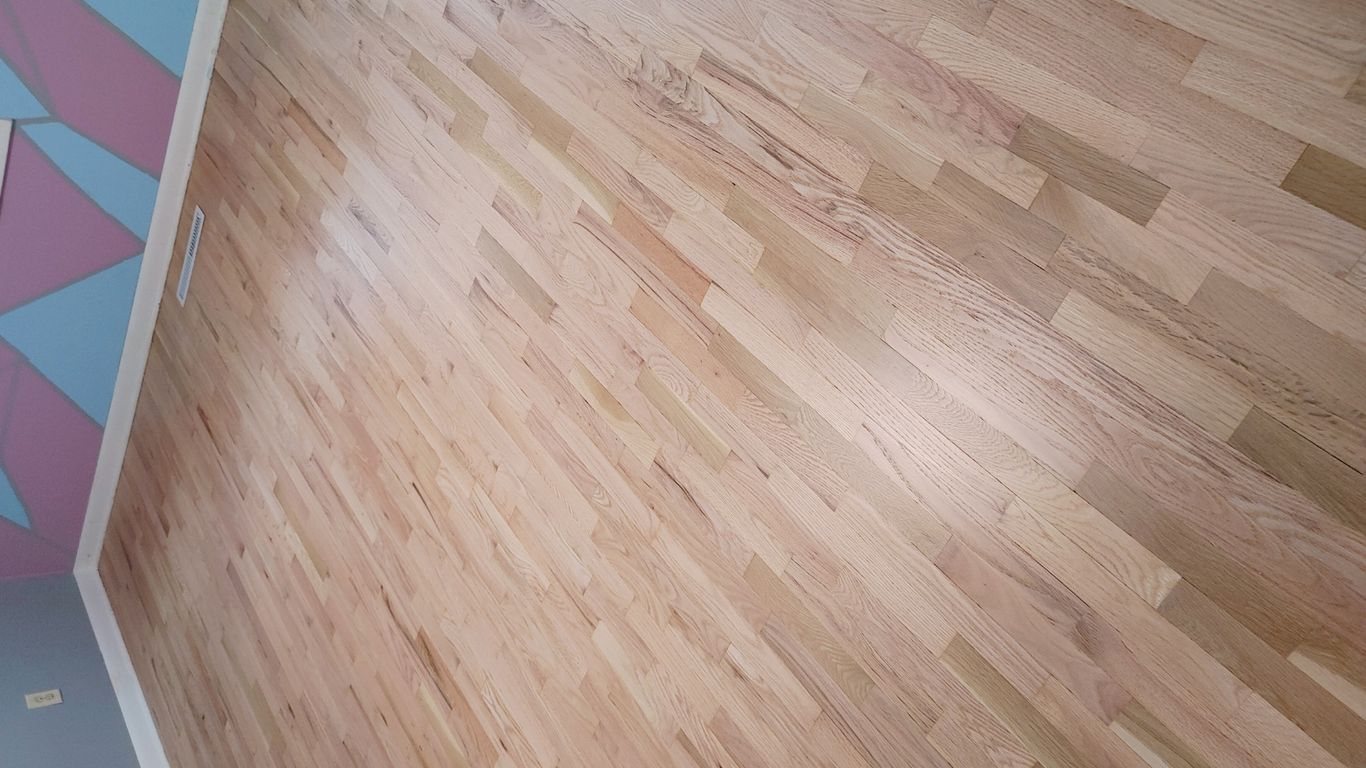
Keeping your hardwood floors looking good for years to come isn't rocket science, but it does take a little effort. Think of it like taking care of a good pair of boots – a little attention goes a long way. The finish on your floor is its main protection, so treating it right means the wood underneath stays safe from spills, scuffs, and all the everyday wear and tear.
Regular Cleaning Best Practices
First off, you gotta sweep or vacuum regularly. This gets rid of the grit and dust that can act like sandpaper underfoot, scratching up that nice finish. I usually do a quick sweep every couple of days, especially in high-traffic spots like the kitchen and entryway. For vacuuming, make sure you're using a hard floor attachment, not the beater bar – that can do some damage.
- Sweep or vacuum daily or every other day.
- Use a soft-bristle broom or a vacuum with a hard floor setting.
- Avoid wet mopping. If you must clean spills, use a slightly damp cloth and dry the area immediately.
Manufacturer-Approved Maintenance Products
When it comes to cleaning products, don't just grab whatever's under the sink. Different finishes can react differently to harsh chemicals. It's always best to stick with what the finish manufacturer recommends. For example, if you've got a water-based polyurethane finish, a pH-neutral cleaner is usually the way to go. We've found that products like LOBA Parkett Soap R2U work great for keeping things clean without stripping away the finish.
Using the wrong cleaner can break down the finish over time, leading to dull spots and premature wear. Always check the product label or consult with your flooring professional.
Protecting Finishes from Wear and Tear
Little things can make a big difference. Putting felt pads on the legs of furniture is a no-brainer. It stops chairs and tables from scratching the floor when they get moved. Also, consider using area rugs in high-traffic zones or places where spills are more likely, like in front of the sink or stove. This adds an extra layer of protection. Keeping humidity levels steady inside your home also helps prevent the wood from expanding and contracting too much, which can stress the finish over time. Proper maintenance preserves clarity and extends the life of the finish.
Keeping your wood floors looking great for years is easier than you think! Simple steps can help prevent damage and keep them shining. Learn the best ways to care for your floors and make them last. Visit our website for expert tips and products to keep your wood floors beautiful.
Wrapping It Up
So, we've gone over a lot of ground here, from picking the right wood to making sure your finish lasts. It might seem like a lot, but honestly, taking the time to get the specs right now saves a ton of headaches later. Whether you're going for that super matte look or something with a bit more shine, knowing your options and what works best for your specific job is key. Don't be afraid to ask questions or get a second opinion – that's what we're here for. A well-specified floor is a floor that looks good and holds up for years. Get it right the first time, and you'll be happy you did.
Frequently Asked Questions
What's the main difference between water-based and oil-based wood finishes?
Water-based finishes dry much faster and have less smell because they use water as a cleaner. Oil-based finishes take longer to dry and have a stronger smell, but they can give wood a warmer, deeper look. Nowadays, water-based finishes are super popular because they dry quick, don't turn yellow, and are better for the air inside.
How do I choose the right shine level for my floor?
The shine level, or sheen, is all about how the floor looks. A matte finish looks very natural, almost like the wood isn't finished at all. Satin and semi-gloss give a bit of shine, making the wood look nice without being too flashy. A gloss finish is super shiny and reflects a lot of light, making the floor look very bright and new.
What does 'VOC' mean when talking about finishes?
VOC stands for Volatile Organic Compounds. These are chemicals that can be released into the air from some finishes. Finishes with low VOCs are better for the air quality in your home and are generally safer to use. Water-based finishes usually have much lower VOCs than oil-based ones.
How many coats of finish do I need for my floor?
For most homes, two or three coats of finish are usually enough to protect the floor. If you have a lot of people walking on the floor a lot, like in a busy house or a small business, you might want to use three or even four coats to make it extra tough.
Can I use a wood stain and then a finish on top?
Yes, you absolutely can! Stains add color to the wood, and then the finish goes on top to protect that color and the wood itself. It's important to let the stain dry completely before applying the finish so they work well together.
What's the best way to prepare my floor before applying a finish?
Before you put any finish on, the floor needs to be super clean and smooth. This means getting rid of all dirt, dust, and old finishes. Sanding the wood properly is key to making sure the new finish sticks well and looks even.
How long does it take for a finished floor to be ready to walk on?
Most modern water-based finishes dry enough to walk on carefully in just a few hours. However, they need more time to fully harden, which can take a few days to a week or even longer. It's best to check the product instructions for exact times before putting furniture back or letting pets walk on it.
What is an 'invisible' or 'natural' finish?
An invisible or natural finish is designed to protect the wood without changing its color or adding any shine. It makes the wood look like it's not finished at all, keeping its true, raw appearance. This is great for modern styles or when you want the natural beauty of the wood to really stand out.

0 comments