

Getting that perfect look on your wood floors can seem like a big job, but with the right approach, it's totally doable. This guide is all about using Loba products to get a really nice, smooth finish. We'll go through everything from getting the floor ready to picking the right sheen and keeping it looking good. Whether you're a pro or just starting out, understanding the Loba finish system can make a big difference.
Key Takeaways
- Proper surface prep, including sanding to the right grit and ensuring a dust-free environment, is vital for a smooth Loba finish.
- Applying Loba Easy Finish in thin, even coats, working with the wood grain, and using the correct applicator are key steps.
- Using Loba primers like EasyPrime or Amber Prime can improve adhesion and color consistency before applying the final Loba finish.
- Choosing the right sheen from Loba's options (Gloss, Satin, Matte) and applying multiple coats with proper drying times ensures durability.
- Regular maintenance with products like Loba Parkett Soap or Nature Oil Care helps preserve the quality of your Loba finish over time.
Understanding The Loba Finish System
Why Professionals Choose Loba
When it comes to hardwood floors, professionals know that the finish is everything. That's why so many turn to Loba. It's not just about making floors look good; it's about making them last. Loba finishes are built with German engineering, which means they're designed for serious durability and a look that holds up over time. Whether you're working on a brand-new installation or bringing an old floor back to life, Loba gives you that consistent, high-quality result that clients expect. It’s a system that flooring pros trust because it performs, project after project.
The Advantages of Water-Based Loba Finishes
Water-based finishes have really become the go-to in the industry, and for good reason. Compared to the older oil-based stuff, they offer a lot of benefits. For starters, they're much better for the environment and your health – think lower VOCs and less of that strong, lingering smell. This means you can get back into the room sooner. Plus, they dry faster, which speeds up your work. Another big plus is that water-based finishes don't yellow over time like some oil-based ones can. They keep your wood looking its natural color, which is a huge deal for many homeowners. Loba’s water-based lines, like Easy Finish, really nail this balance, giving you professional durability without the harsh drawbacks.
Key Benefits of a Loba Finish
Choosing a Loba finish for your hardwood floors brings a solid set of advantages to the table. Here’s what you can expect:
- Professional Durability: These finishes are engineered to stand up to heavy foot traffic, scratches, and wear. They’re built for real life, whether it’s a busy family home or a commercial space.
- Clear, Non-Yellowing Appearance: Loba finishes maintain the natural beauty and color of your wood. They won’t turn that undesirable yellow or amber tone over time, keeping your floors looking fresh and true to their original color.
- User-Friendly Application: Many Loba products are designed with ease of use in mind. They often have good flow and leveling properties, making it simpler to achieve a smooth, even coat, even for those who aren't seasoned pros.
- Fast Drying and Recoat Times: Save time on your projects. Loba water-based finishes typically allow for recoating within a few hours, significantly cutting down on the overall project duration compared to traditional finishes.
- Low VOCs and Odor: Work in a healthier environment. These finishes have reduced volatile organic compounds and a much milder scent, making them more pleasant for both the applicator and the occupants of the space.
Surface Preparation For A Flawless Loba Finish
Getting the surface ready is probably the most important step when you're putting down any kind of finish, and Loba is no different. You can have the best product in the world, but if the floor isn't prepped right, you're just asking for trouble down the road. It’s not just about making it look good right away; it’s about making sure that finish lasts.
Achieving the Right Grit for Sanding
Before you even think about applying Loba Easy Finish or any of their other products, you need to get the wood surface just right. This usually means sanding. We're talking about getting down to a clean, smooth surface. Most pros aim for a final grit of around 120 to 150. Going too coarse leaves scratches that the finish will just highlight. Too fine, and the finish might not grip as well as it should. It’s a balance, really. You want it smooth, but not so slick that the product can't bond properly.
Here’s a general sanding progression:
- Start with a coarser grit (like 60 or 80) to remove old finishes or level the floor.
- Move to a medium grit (like 100).
- Finish with a fine grit (120-150) for that smooth surface.
Always sand with the grain of the wood. Going against it will leave marks you’ll regret later.
Ensuring a Dust-Free Surface
This is where a lot of guys cut corners, and it’s a big mistake. After sanding, you've got dust everywhere. Not just on the surface, but in the air, in the corners, everywhere. You need to get rid of all of it. A good vacuum cleaner with a HEPA filter is your best friend here. After vacuuming, you'll want to wipe the floor down. Some people use a tack cloth, others a slightly damp microfiber cloth. The goal is to pick up every last bit of fine dust. If you don't, that dust will get mixed into your finish, and you'll end up with a bumpy, unprofessional-looking job. Seriously, don't skip this part. It makes a huge difference.
Environmental Conditions for Application
Temperature and humidity play a big role in how your Loba finish will lay down and cure. You don't want to be applying finish when it's too cold or too hot. The ideal range is usually between 65°F and 75°F (about 18°C to 24°C). Humidity should also be in check, typically between 40% and 60% relative humidity. If it's too humid, the finish can dry too slowly, leading to problems. Too dry, and it might flash off too quickly, making it hard to get an even coat. Always check the product data sheet for the specific Loba product you're using, as they might have slightly different recommendations. Making sure the environment is right helps the finish flow out properly and cure correctly, giving you that durable, beautiful result you're after. For best results, consider using a good quality floor cleaner like Bona Pro Series to prep the surface after sanding and before applying any primer or finish.
Applying Loba Easy Finish
Choosing the Right Applicator
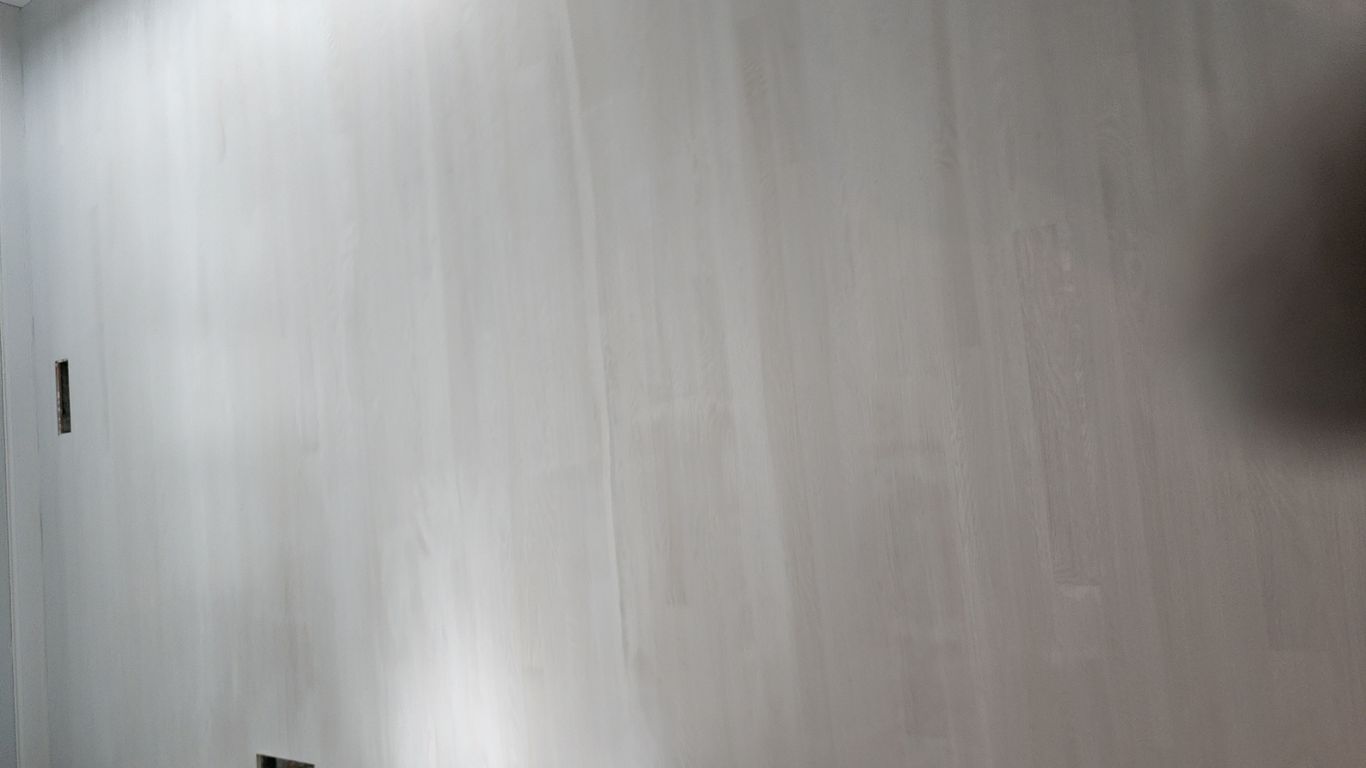
When you're getting ready to lay down Loba Easy Finish, the tool you use matters. For most jobs, a good quality T-bar applicator or a dense microfiber roller works best. These tools help you spread the finish evenly without leaving lap marks. Think about the size of the area you're working on. For larger open spaces, a roller is usually faster. If you've got a lot of edges or tight spots, a T-bar might give you more control. Make sure whatever applicator you choose is clean and free of any debris – even a tiny bit of dust can mess up your finish. Some pros even use specialized sprayers for a super smooth coat, but that's usually for bigger commercial jobs and requires a bit more setup.
Techniques for Thin, Even Coats
This is where the magic happens, or where it can go wrong if you're not careful. The key with Loba Easy Finish, like most water-based finishes, is to apply it in thin, even coats. Don't try to get the job done with one thick layer; it'll just lead to problems like bubbling or uneven drying. Instead, aim for multiple thin coats. You want to see a consistent sheen across the entire surface, not puddles or dry spots. Think of it like painting – you build up the color with thin layers. This approach helps the finish cure properly and gives you that durable, professional look.
Here’s a quick rundown:
- Load the applicator: Dip your roller or T-bar into the finish, but don't drown it. You want enough to spread, but not so much that it drips everywhere.
- Spread evenly: Apply the finish in smooth, consistent strokes. Work in one direction.
- Avoid puddles: If you see any areas where the finish is pooling, spread it out immediately.
- Maintain a wet edge: Try to overlap your strokes slightly to avoid visible lines where one section ends and the next begins.
Working with the Grain
This might sound obvious, but it's super important. Always, always, always apply your finish in the same direction as the wood grain. If you're working on a standard plank floor, that means long, straight strokes down the length of the boards. Going against the grain can leave behind unsightly marks and make the finish look uneven. It's not just about how it looks when wet; it affects how the light hits the finish when it's dry, too. Stick to the grain, and you'll get a much cleaner, more professional result that really shows off the wood.
Applying Loba Easy Finish requires a steady hand and a methodical approach. Rushing the process or using improper techniques can lead to a finish that doesn't meet expectations. Patience and attention to detail are your best tools here.
Priming For The Perfect Loba Finish
When to Use Loba EasyPrime
Before you even think about applying your topcoat, you need to consider the primer. For a truly professional Loba finish, especially on new or freshly sanded hardwood floors, using a primer is often a smart move. Loba EasyPrime is designed to create a solid foundation for their water-based finishes. It helps the topcoat stick better and can even out the wood's absorbency, which is super important if you're planning to stain your floors. Skipping primer can sometimes lead to blotchy color or finishes that don't last as long. It’s that extra step that really makes a difference.
Benefits of Amber Prime
Now, Loba also has something called Amber Prime. This one's a bit different. While EasyPrime is clear, Amber Prime has a slight amber tint. This isn't just for looks; that tint can actually help prevent color variations in the wood, especially on lighter species like maple or birch. It gives the wood a bit of a warm base tone before you apply your finish. If you're going for a natural look or want to add a bit of depth to stained wood, Amber Prime is worth considering. It's all about getting that consistent color across the entire floor.
Proper Application of Primers
Applying primer isn't complicated, but you've got to do it right. First off, make sure your floor is clean and dust-free – seriously, vacuum and tack it off until you can't see any more dust. Then, grab a good quality roller or a T-bar applicator. You want to put down thin, even coats. Don't try to slop it on thick; that's a recipe for problems. Work with the grain of the wood. Most Loba primers, like EasyPrime, dry pretty fast, usually within an hour or two, so you can get your topcoats on without a long wait. Just check the product's specific instructions for recoat times. Proper primer application is key to a durable and beautiful final finish.
| Primer Type | Key Benefit |
|---|---|
| Loba EasyPrime | Clear, excellent adhesion, evens absorbency |
| Loba Amber Prime | Warm amber tone, color stabilization |
Always read the manufacturer's instructions before applying any primer.
Achieving Desired Sheens With Loba
Understanding Sheen Options: Gloss, Satin, Matte
When you're finishing a hardwood floor, the sheen level is a big part of how the final look comes together. It's not just about protection; it's about the aesthetic. Loba offers a few main options, and knowing what each one does is pretty important.
- Gloss: This is the shiniest option. It really reflects light, making the floor look bright and almost wet. It can make colors pop and give a very dramatic look. However, it also shows imperfections and scratches more easily, and it can be slippery.
- Satin: This is a popular choice because it's not too shiny and not too dull. It gives a soft, subtle luster that looks natural and elegant. Satin finishes hide minor wear and tear better than gloss and offer a good balance of appearance and practicality.
- Matte: If you want a floor that looks as natural as possible, matte is the way to go. It has very little shine, almost like the wood is unfinished. This look is great for modern or rustic styles and is excellent at hiding scratches and scuffs. It gives a very sophisticated, understated feel.
Selecting the Right Sheen for Your Project
Choosing the right sheen really depends on a few things. Think about the room itself and how it's used. For a high-traffic area like a living room or hallway, a satin or matte finish is usually a better bet because they hide wear and tear more effectively than gloss. If you're going for a really dramatic, high-end look in a space that doesn't get a lot of foot traffic, like a formal dining room, gloss might be an option.
Consider the wood type too. Some woods look amazing with a high gloss, while others are best left with a more natural, matte finish. Also, think about the overall style of your home. A modern home might suit a matte finish, while a more traditional home could look great with satin.
Consistency Across Sheen Levels
One thing to keep in mind with Loba finishes is that they aim for consistency across their different sheen levels. This means that whether you choose gloss, satin, or matte, you should expect the same level of durability and protection. The main difference is purely visual. It's good to know that you can pick the look you want without sacrificing the quality of the finish. This makes it easier to plan your project, knowing that the performance will be there regardless of the sheen you select. For example, Loba 2K Duo and Loba 2K Supra A.T. are available in multiple sheens, offering flexibility for different project needs while maintaining their robust protective qualities.
Coats And Curing For Durability
Getting a flawless Loba finish isn't just about looks—it's about making your floor tough enough to handle daily use for years. Applying your water-based finish right and giving it enough curing time is the secret to a long-lasting floor, whether you're working on a busy restaurant or a quiet home office.
Recommended Coats for Residential vs. Commercial
You don't want to go too thin with your coats, but thick coats can dry unevenly. Here’s what works best:
| Type of Project | Suggested Number of Coats |
|---|---|
| Residential | 2–3 |
| Commercial | 3–4 |
For everyday homes, two coats usually do the trick. If you’ve got heavy foot traffic, think about adding a third for extra peace of mind. Commercial spaces—gyms, shops, restaurants—need three to four coats for real toughness.
Understanding Drying and Recoat Times
Patience is key here. If you don’t let one coat dry, the next won't stick right. Plan for 2–3 hours of dry time between coats under normal conditions (about 70°F and 50% humidity). Light sanding between coats with a 220-grit pad keeps things smooth and helps the next layer grab onto the previous one. After your final coat, avoid sanding to keep the top looking even and flawless.
Here's a simple timeline:
- Apply first coat, let dry 2–3 hours.
- Buff lightly, clean dust, apply second coat.
- Repeat if you’re adding a third (or fourth).
Achieving Full Cure for Longevity
Don’t confuse dry-to-touch with fully cured! You’ll probably want to move furniture back or let the kids play, but it’s smart to wait. Light foot traffic is okay 24 hours after the last coat, but heavy traffic, damp-mopping, or area rugs? Hold off for at least seven days to get the finish to full strength.
Floors might look and feel ready early, but waiting for full cure is what keeps the finish from scratching or dulling quickly.
One thing that helps: professional-grade finishes from Bailey Flooring Supplies are known for fast dry times and hard-wearing results, so you’re not waiting forever or wondering if your efforts will hold up. By following these steps and schedules, you’ll give your Loba finish every chance to last beautifully, no matter who’s walking on it.
Detail Work With Loba Hand Pads
Precision Application in Tight Spaces
When you're working on a hardwood floor, sometimes the big rollers just can't get into all the nooks and crannies. That's where the Loba Hand Pad Set really shines. These aren't your average sponges; they're designed for professionals who need to get into tight spots like corners, along baseboards, and on stair treads. The control you get with these pads is fantastic, allowing for a smooth, even application of finishes or maintenance products without leaving streaks or drips. It makes a big difference in the final look of the floor, especially in those tricky areas that are often overlooked.
Using Hand Pads for Edges and Corners
Getting a clean line on edges and in corners can be a real challenge. Using the Loba Hand Pads means you can carefully apply the finish right up to the edge without getting it on the walls or trim. They're also great for working on steps, where a roller might be too bulky. You can really work the product into the grain and ensure full coverage. This attention to detail is what separates a good job from a great one. It’s all about making sure every part of the floor looks as good as the main area.
Maintaining Finish Consistency
One of the best things about using the Loba Hand Pad Set is how it helps you keep the finish consistent across the entire floor. You can use the same product and technique on the edges as you do on the main surface, so there are no visible differences in sheen or texture. This is super important for that professional, seamless look. For maintaining your finished floors, using the right cleaning products is key. Products like Loba Parkett Soap are designed to clean without stripping the finish, keeping your hard work looking great for years to come.
Maintaining Your Loba Finish
Keeping your Loba-finished hardwood floors looking their best is all about consistent, proper care. It’s not complicated, but it does require using the right products and a bit of regular attention. Think of it like taking care of a good car – regular washes and the right fluids make it last longer and perform better.
Using Loba Parkett Soap for Finished Floors
For floors finished with Loba's water-based or oil-modified systems, the go-to cleaner is Loba Parkett Soap R2U. This stuff is ready to go right out of the bottle, so no need to mess with mixing. It’s designed to clean up dirt and grime without stripping away the finish you worked so hard to put down. It’s pH-balanced, which is important because it means it won’t mess with the natural state of the wood or the finish itself. Plus, it dries without leaving any sticky residue behind, which is a big win. You just mop it on, and it does its job. It’s pretty economical too, a gallon covers a good amount of floor space, making it practical for both home use and bigger jobs.
Caring for Oil-Finished Floors with Nature Oil Care
If you’ve got an oil-finished floor, you need a different approach. That’s where Loba Nature Oil Care comes in. This isn't a cleaner; it's a maintenance oil. It sinks into the wood to keep it from drying out and helps bring back that natural luster that oil finishes are known for. It’s easy to put on – you can use a cloth, a mop, or even a buffer. It helps refresh the protective oil layer, giving you a bit more resistance against daily wear and tear. It doesn't add a fake shine; it just helps the wood look like itself, but better. It dries pretty fast, so you’re not out of commission for too long.
Routine Cleaning Best Practices
No matter what Loba finish you have, some basic rules apply:
- Sweep or vacuum regularly: Get rid of dust, dirt, and grit. These little particles can act like sandpaper over time, scratching up your finish. A soft brush attachment on your vacuum is your friend here.
- Use the right cleaner: Stick to Loba Parkett Soap R2U for finished floors or Nature Oil Care for oiled floors. Avoid using general household cleaners, ammonia-based products, or anything too harsh. They can break down the finish or leave a dull film.
- Clean up spills quickly: Don't let liquids sit on the floor. Wipe them up right away to prevent staining or water damage.
- Protect your floors: Put felt pads on the legs of all furniture. This is a simple step that makes a huge difference in preventing scratches and dents, especially from chairs that get moved around a lot.
- Control humidity: Try to keep the humidity in your home consistent. Big swings can cause wood to expand and contract, which can put stress on the finish over time.
Following these simple steps will help keep your Loba finish looking great for years to come. It’s about being consistent and using products that are actually made for hardwood floors, not just generic cleaners.
Professional Loba Finish Product Lines
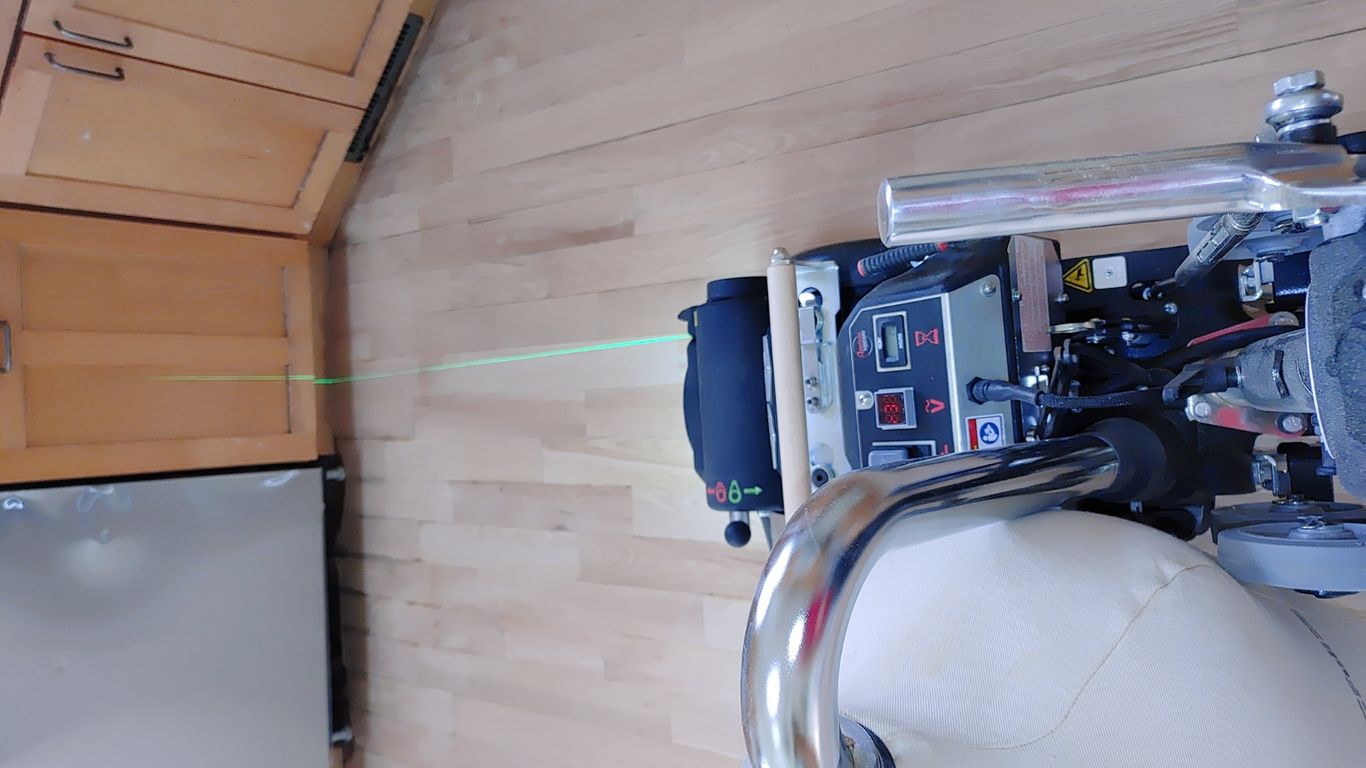
Bailey Flooring Supplies stocks some of the most popular and reliable Loba water-based finishes for hardwood flooring professionals and serious DIYers. If you’re searching for products that offer real performance without any surprises, it pays to know which finish best fits your job’s specific needs. Quality water-based systems like Loba 2K Duo, Supra A.T., and Invisible Protect A.T. stand out for durability, application ease, and the final look they deliver.
Exploring Loba 2K Duo
Loba 2K Duo is the go-to for heavy-wear environments—think busy living rooms, retail, and gyms. This two-component finish offers higher chemical and scratch resistance compared to single-component waterborne options. Here’s why so many contractors reach for it:
- Available in Satin, Semi-Gloss, and Extra-Matte sheens.
- Reliable recoat times: 2–3 hours between coats (faster than most oil-based rivals).
- No strong odors or yellowing issues over time.
- Wide coverage: about 500 sq ft per gallon, saving on cost and downtime.
| Product | Sheen Options | Avg. Coverage (sq ft/gal) | Recoat Time (hrs) | Price (1 gal) |
|---|---|---|---|---|
| Loba 2K Duo | Satin, Semi, Matte | 500 | 2–3 | $138.21 |
When you want a commercial-grade finish but don’t want the hassle or mess of solvent systems, Loba 2K Duo ticks all the right boxes. It holds up even under rolling office chairs and kid traffic.
The Durability of Loba 2K Supra A.T.
Loba 2K Supra A.T. is ideal when ultra-toughness matters; it’s chosen for restaurants, commercial entries, and even dance studios. Supra A.T. boosts abrasion resistance and is easy to maintain:
- Multiple sheen options: Gloss, Satin, Semi-Gloss
- Non-yellowing finish that maintains clarity on lighter woods
- Fast return to service and low-VOC for healthier working conditions
- Dense film build for a smooth, even surface
| Product | Finishes Available | Typical Use | Price (1 gal) |
|---|---|---|---|
| 2K Supra A.T. | Gloss, Satin, Semi-Gloss | Retail, Commercial | $163.58 |
In the crowded world of floor finishes, Supra A.T. makes maintenance a breeze and resists scuffing where other brands fail.
The Invisible Clarity of Loba 2K Invisible Protect A.T.
If customers want that raw, unfinished wood look with maximum protection, Loba 2K Invisible Protect A.T. is the answer. Forget plastic shine—this finish leaves the wood looking beautiful and natural:
- Delivers a true ultra-matte appearance that mimics unfinished wood
- Won’t change wood color or add artificial shine
- Available in a 1-gallon size, with coverage up to 500 sq ft
- Simple cleanup and fast-drying formula
| Product | Appearance | Typical Coverage | Price (1 gal) |
|---|---|---|---|
| Invisible Protect A.T. | Natural Ultra-Matte | 500 sq ft/gal | $139.32 |
Every Loba line from Bailey Flooring Supplies is built for jobs that demand professional, predictable results. Whether you’re aiming for resilience in a commercial setting or a seamless, natural look in a modern home, there’s a water-based solution here that’ll get the job done right.
- Loba’s finishes are low in odor and meet today’s standards for air quality and eco-friendly flooring.
- Each product is designed for smooth application with T-bar, roller, or pad—no special tools required.
- Expert support and fast shipping from Bailey Flooring Supplies take the guesswork out of buying top-shelf floor finishes.
Choosing a high-grade, water-based finish from the Loba family is the difference between a job that only looks good on day one and a floor that keeps customers happy for years.
Looking for top-notch finishes for your wood floors? Our Professional Loba Finish Product Lines offer everything you need to make your floors look amazing. From water-based options to oil-based wonders and hardwax oils, we have the perfect solution for any project. Explore our selection and give your floors the beautiful, lasting finish they deserve. Visit our website today to see the full range!
Wrapping It Up
So there you have it. Getting that smooth, professional look with Loba isn't some big secret. It really comes down to prepping right, using the right tools, and taking your time with each coat. We've gone over how to get the floor ready, how to apply the finish evenly, and what to do between coats. Remember, a little patience goes a long way. You'll end up with a floor that looks great and holds up, too. It’s about doing the job right, plain and simple. Now go get 'em.
Frequently Asked Questions
How many coats of Loba finish should I use?
For most homes, 2 to 3 coats are usually enough. If your floors get a lot of foot traffic, like in a busy household or a commercial building, you might want to put on 3 to 4 coats to make them last longer.
Can I use Loba Easy Finish on my stairs?
Yes, you absolutely can! Loba Easy Finish is a great choice for stairs because it's really tough and helps prevent slips, which is super important for stairways.
What's the difference between the different shine levels (sheens)?
Think of it like this: 'Gloss' is super shiny and reflects a lot of light. 'Semi-Gloss' has a nice shine, but not as much. 'Satin' gives a softer, more subtle shine. 'Matte' looks very natural and has hardly any shine at all.
Is Loba Easy Finish okay for someone to use who isn't a pro?
Definitely! Loba Easy Finish is designed to be easy to work with. It doesn't dry too fast, giving you time to fix any mistakes, making it good for both professionals and people doing DIY projects.
How do I get the floor ready before applying Loba finish?
First, you need to sand the floor really smooth, using sandpaper that gets finer and finer, ending with about a 120 to 150 grit. After sanding, make sure the floor is totally clean and free of any dust. A clean, dry surface is key!
What are the best conditions for applying Loba finish?
It's best to apply Loba finishes when the room temperature is between 65 and 75 degrees Fahrenheit. Also, the air shouldn't be too dry or too damp; aim for about 40% to 60% humidity.
How long does it take for Loba finishes to dry and be ready to use?
You can usually put on another coat of Loba Easy Finish after about 2 to 3 hours. You can walk on the floor very lightly after 24 hours, but it takes about 7 days for the finish to become completely hard and tough.
What's the advantage of using a water-based finish like Loba?
Water-based finishes like Loba are great because they don't have a strong smell and are better for the environment since they have fewer harmful chemicals (low VOCs). They also dry faster and don't turn yellow over time like some older finishes.

0 comments